A red‑bellied black snake found at a Woodford construction site tested positive for ophidiomycosis (Snake Fungal Disease), a fungal infection confirmed in Australia in 2024. Rescuers have identified the disease in at least six snake species, including carpet pythons and eastern browns. Visible signs include yellow or brown crusty lesions, and infections can be painful and debilitating. Experts urge people to keep their distance, report sick snakes to licensed responders, and support ongoing monitoring.
Queensland Snake Call Reveals 'Horrifically Contagious' Snake Fungal Disease Threatening Multiple Species
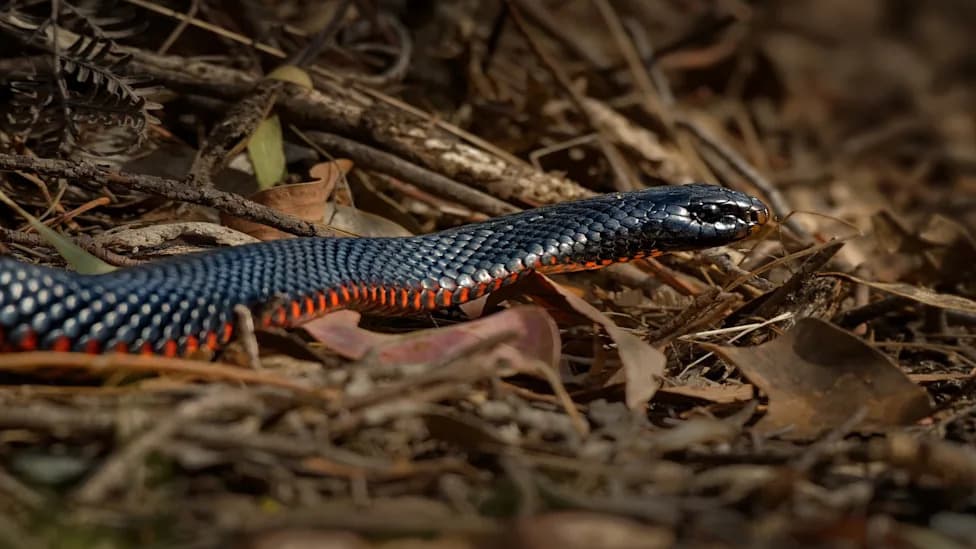
Photo Credit: iStock
A routine call to remove a snake at a construction site in Woodford, Queensland, has highlighted a growing wildlife emergency after rescuers discovered a red‑bellied black snake suffering from a rapidly spreading and often fatal fungal infection.
Workers at the site spotted the snake in a mound of soil and contacted snake catcher Glenn Macey of Sunshine Coast Snake Catchers. After a close inspection, Macey said it was "pretty obvious" the animal was "absolutely riddled" with ophidiomycosis — commonly known as Snake Fungal Disease — according to Yahoo News.
The disease was first confirmed in Australia in 2024 and has already been linked to snake deaths overseas. Macey and his team report multiple encounters with infected snakes and have identified the illness in at least six species, including carpet pythons and eastern brown snakes.
How It Appears And Why It Matters
Visible signs of ophidiomycosis often include yellow or brown crusty lesions on the skin, open sores, and other abnormalities. The infection can be painful and debilitating, reducing snakes' ability to hunt, shed, and evade predators.
Snakes play essential roles as predators in ecosystems. Declines across several species can produce cascading effects in bushland, on farms and at the edges of communities — altering rodent populations, affecting ground-nesting birds, and changing vegetation dynamics.
Human Interface And Response
Construction crews, outdoor workers and nearby residents are frequently the first to encounter sick animals. Licensed snake catchers, wildlife rescuers and field teams are increasingly important for early detection and documenting the outbreak’s spread.
"Since that time, I've honestly lost count of the number of animals that I myself have encountered, much less what my entire team [has seen]," Macey told Yahoo News.
If you see a snake that appears injured or covered in lesions, keep a safe distance and contact a trained professional rather than attempting to handle the animal. Prompt reporting by worksites and property owners helps wildlife responders map emerging hotspots and reduces additional stress on ill animals.
What Experts Recommend
- Do not touch or move sick snakes. Report sightings to licensed wildlife responders or local authorities.
- Document observations. Time, location, photos (from a safe distance) and a brief description can aid surveillance efforts.
- Support monitoring programs. Continued surveillance is critical to tracking spread and informing conservation action.
Researchers and wildlife responders are working to understand how widespread ophidiomycosis is in Australia and which species are most at risk. The Woodford case fits a worrying pattern rather than an isolated event, underscoring the need for vigilance and coordinated response.
Similar outbreaks and the effects of climate change on snake ranges are drawing attention worldwide, making international collaboration and local reporting both vital to protecting reptile biodiversity.
Help us improve.