Police in Lambeth and Southwark warn of a summer spike in youth violence and gang recruitment, with children as young as 10 being targeted. Recorded gun crime rose 23% in Southwark and 22% in Lambeth in the year to August 2026, and the Met logged 14 incidents where guns were fired across both boroughs. Targeted operations produced more than 700 arrests and 40+ weapons seized, but officers say cuts to officer numbers and low community trust limit prevention efforts. Safeguarding reviews and inquests have previously found failings across agencies in protecting vulnerable children.
Rising Youth Violence in South London: Gangs Recruiting Children as Tensions Spike
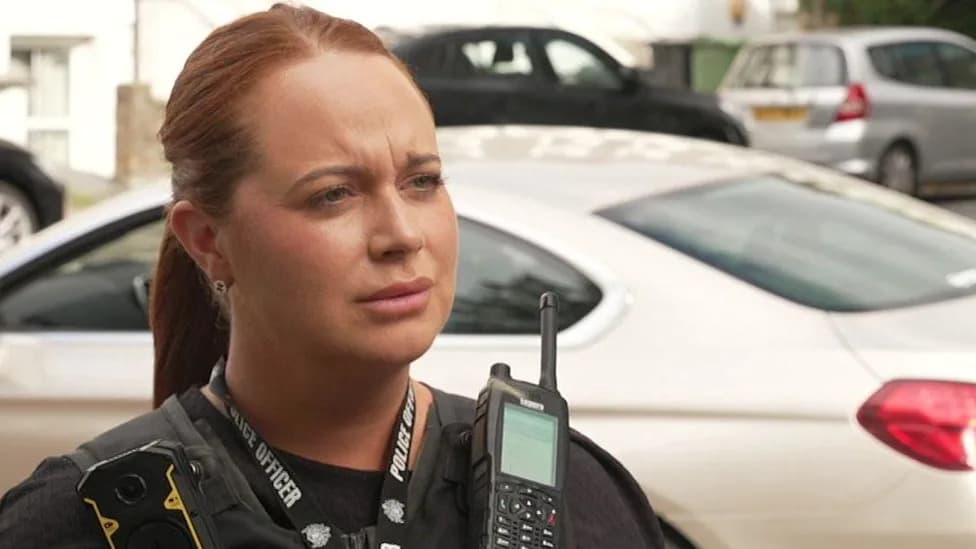
PC Zoe Ticehurst tries to engage with children who are at risk of exploitation [BBC]
“There are parents who think next time we come to their door, it will be to tell them their child is dead.”
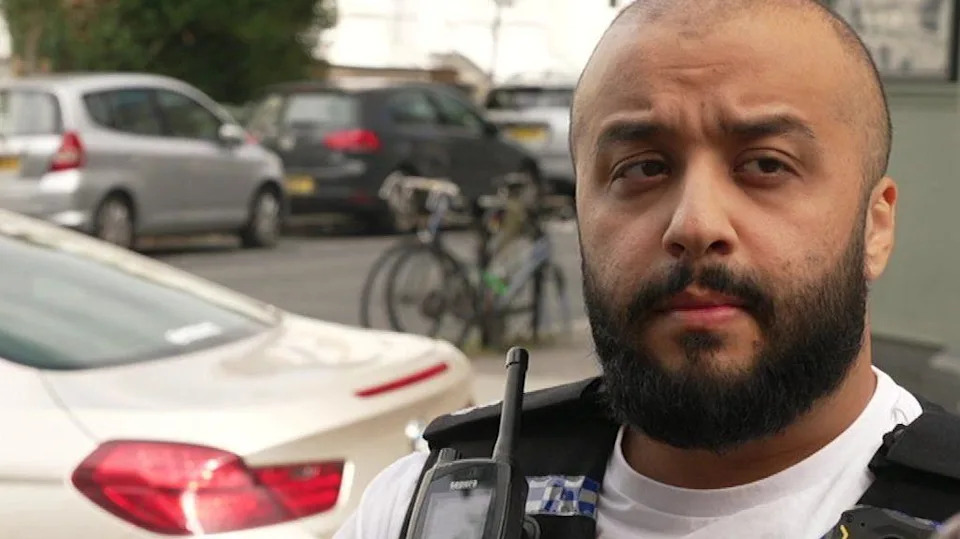
and Det Con Faisal El Issaoui [BBC]
Those stark words come from PC Zoe Ticehurst and Detective Constable Faisal El Issaoui as they guide us through neighbourhoods in Lambeth and Southwark, where police say vulnerable children are increasingly being targeted by local gangs.
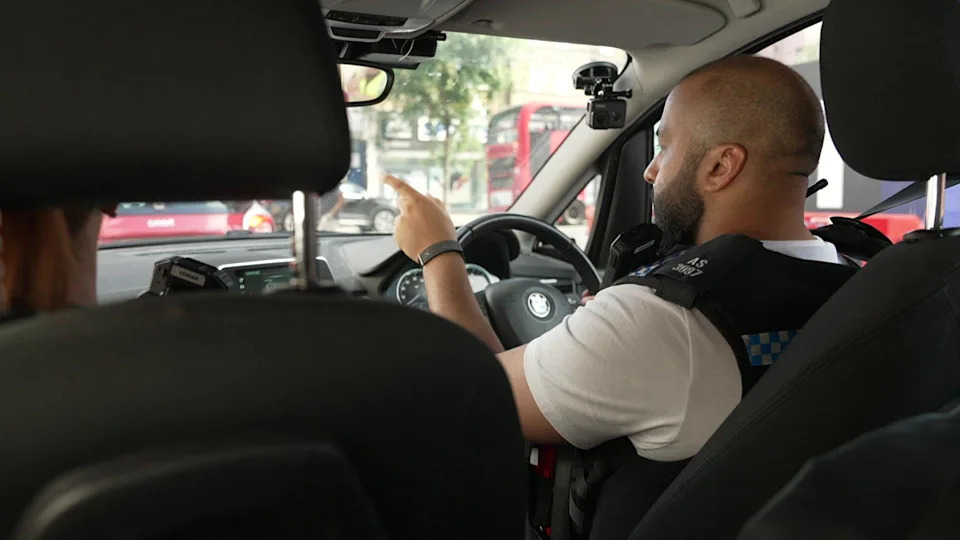
Police said there had been a rise in both youth violence and gang tensions in Lambeth and Southwark [BBC]
“It's very hard for a lot of young people who are brought up on these estates. That's the only thing they can see. Unfortunately, when you get to a certain age, there's a choice that has to be made.” — Det Con Faisal El Issaoui
The officers, who work on the Metropolitan Police's proactive offender targeting and management team, say summer months — when schools are closed and young people spend more time on the streets — are a prime recruiting opportunity for gangs. They described common grooming tactics: offering quick cash in exchange for holding or moving items, progressive involvement in county lines drug networks, and social media provocation that escalates territorial confrontations.
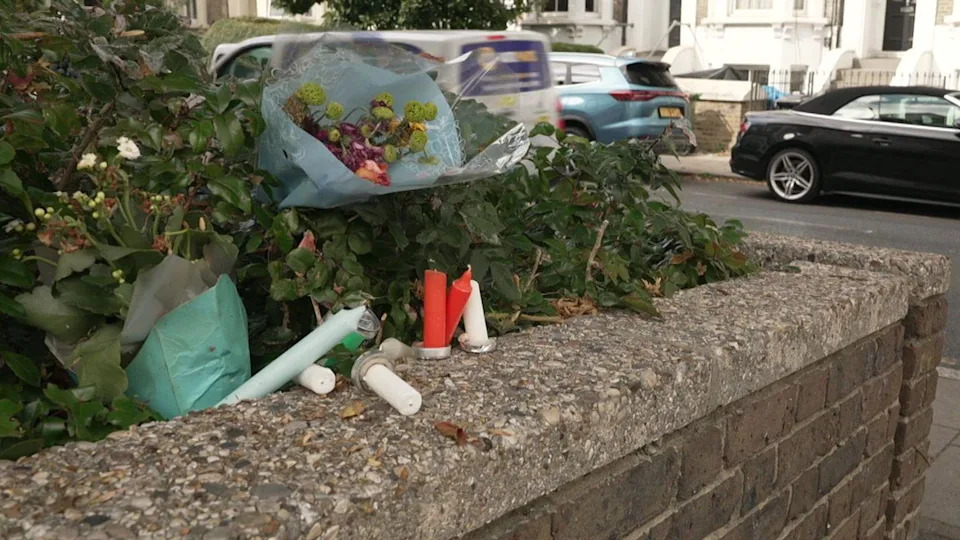
Flowers and candles have been left at the spot where bus driver Auguste-Marie Bile-aka Amoa was shot dead in August [BBC]
Statistics and Recent Incidents
Police figures show a worrying local spike in violent crime. Recorded gun crime rose by 23% in Southwark and 22% in Lambeth in the year ending August 2026 compared with the previous year. The Met recorded 14 "lethal barrel discharges" — incidents in which a gun was actually fired — across both boroughs, up from seven in the previous financial year. Lambeth also recorded a 9% rise in knife injuries reported between April and August 2026 versus the same period in 2025.
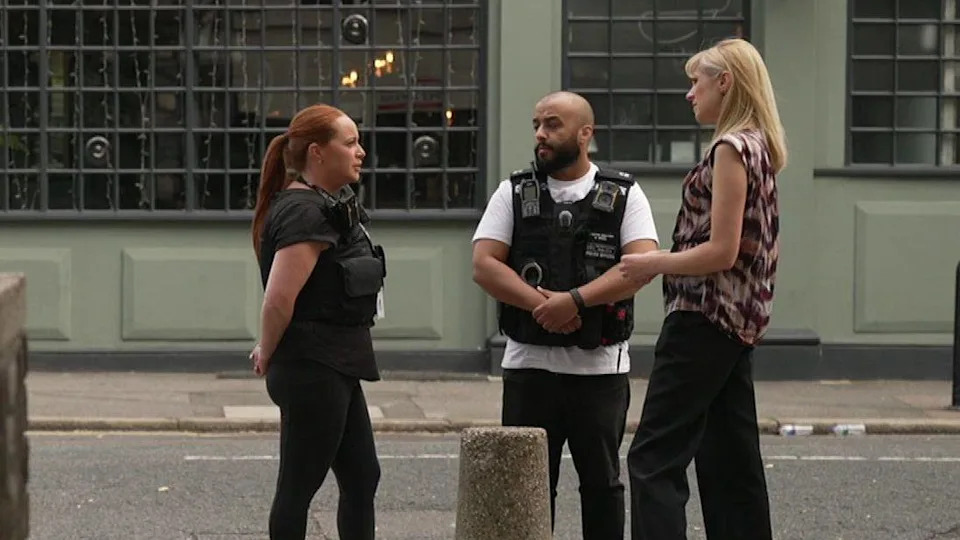
Police said they needed help from the local community to tackle gun and gang violence [BBC]
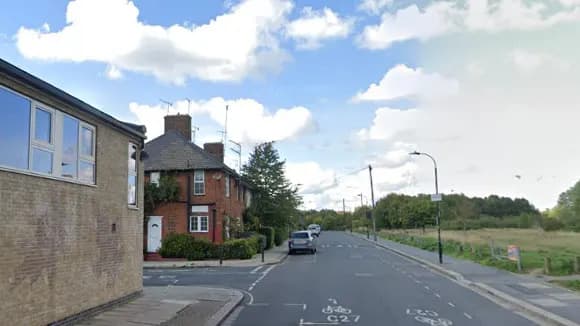
Officers pointed out roadside memorials across Lambeth, including flowers left for 25-year-old bus driver Auguste-Marie Bile (Amoa), shot dead in August. A 22‑year‑old was arrested on suspicion of murder after arriving at hospital with a gunshot wound but was later released with no further action.
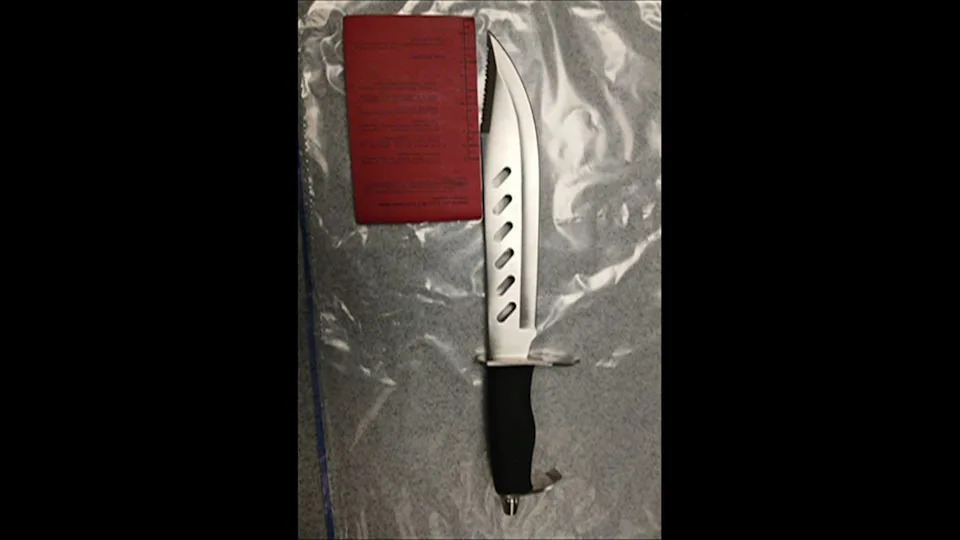
Police have released images of some of the weapons and drugs seized during several operations over the summer [Metropolitan police]
Police Operations and Challenges
The Met conducted targeted summer operations using plainclothes officers and firearms patrols, resulting in more than 700 arrests and the seizure of over 40 weapons and Class A drugs. Despite these actions, officers say they cannot tackle the problem alone. They cite reduced officer numbers — more than 3,000 fewer in the force over three years — and cuts to some frontline youth services as constraints on prevention work.
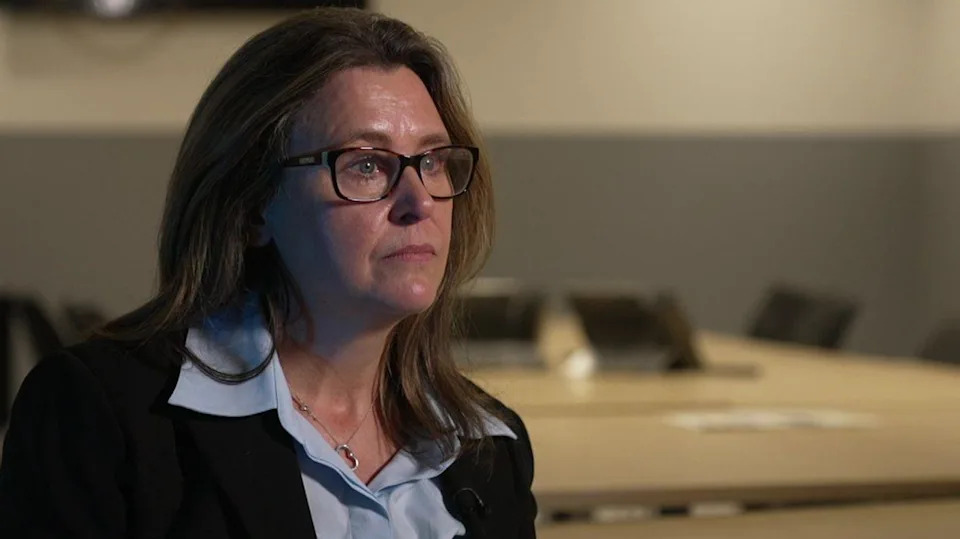
Det Ch Supt Emma Bond said low trust in policing was among the challenges [BBC]
Detective Chief Superintendent Emma Bond urged greater community cooperation while acknowledging the barriers: fear of gang retaliation and longstanding distrust of police. Plainclothes teams also try to build relationships with families and steer young people toward education or apprenticeships, but officers say early intervention is essential because children as young as 10 are being approached.
Safeguarding Failures and Reviews
Past inquiries have highlighted systemic weaknesses. A 2017 drive‑by shooting that killed 14‑year‑old Corey Junior Davis was followed by an inquest that found "collective failings" across public agencies after his mother repeatedly sought help. A safeguarding review into the 2024 killing of 15‑year‑old Daejaun Campbell in Woolwich similarly criticised inter‑agency responses. HM Inspectorate of Constabulary and Fire & Rescue Services heavily criticised the Met's handling of child exploitation in 2023; a 2025 follow‑up noted improvements but flagged remaining issues, including failures to locate missing children.
How Gangs Operate and Why It Escalates
Detective Constable El Issaoui described multiple, closely located gangs — some with longstanding names but "rebranded" by newer generations — whose rivalries create a constant risk of tit‑for‑tat violence. He warned that social media can inflame conflicts, with groups livestreaming incursions into rival territory and treating violent incidents as a grim form of score‑keeping. Such behaviour increases the danger that innocent passersby will be caught in the crossfire.
The officers emphasised the importance of early intervention, community information, and joined‑up support from schools, social services and police to protect vulnerable youngsters and disrupt exploitation.
What Officials Are Asking From The Public
Police are urging local people to share information and to work with specialist units to help prevent further violence. Detectives stress that rebuilding trust will take time but that community cooperation is vital to protect children and reduce gang‑related harm.
To share information with the Met locally, contact your neighbourhood policing team or use the appropriate non‑emergency reporting channels. For urgent incidents, always call 999.
Help us improve.