Middlesbrough, a town of roughly 156,000 people, is confronting a rise in violent and youth-driven crime amid entrenched poverty and long-term economic decline. A recent fatal A66 crash involving police officers has intensified attention on an alleged drugs feud and visible youth disorder. Experts link the current crisis to rapid deindustrialisation, high child poverty, poor school attendance and a lack of stable jobs. Local government and charities are pursuing early intervention, workplace exposure and youth services, but residents and leaders say sustained investment is needed to turn things around.
Middlesbrough in Crisis: Poverty, Youth Crime and the Legacy of Deindustrialisation
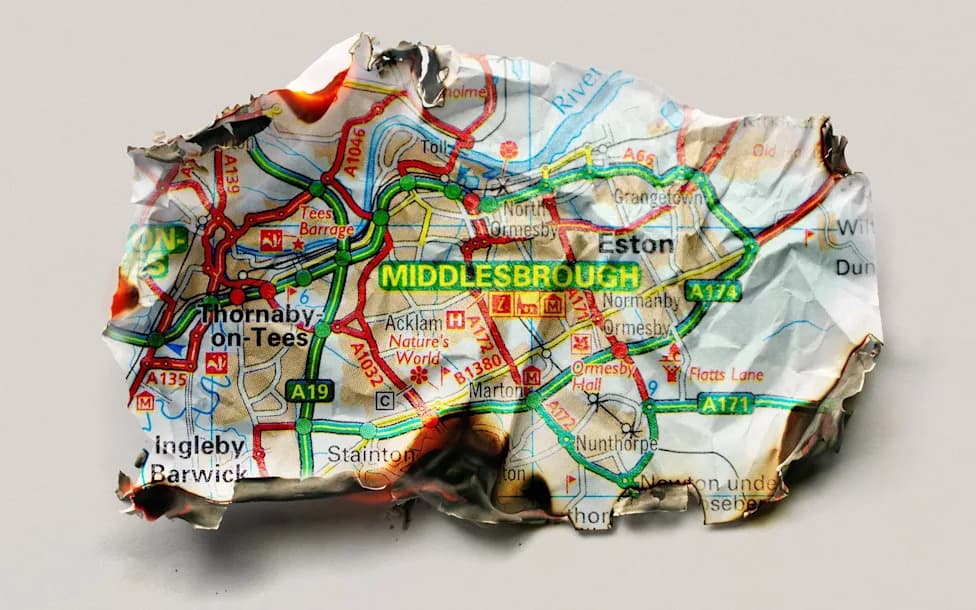
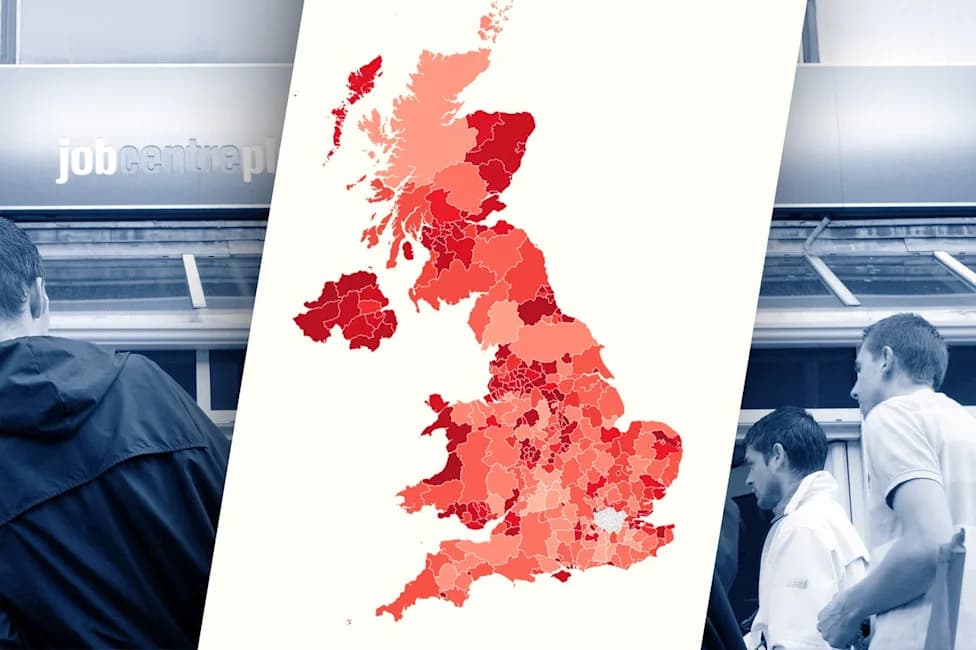
Illustration: Middlesbrough map
Walk through the quiet residential streets of eastern Middlesbrough and the signs can be subtle: shards of glass on pavements, an occasional boarded window. Beneath that calm, many residents say they are exhausted and frightened by a steady rise in violent and youth-driven crime.
Overview
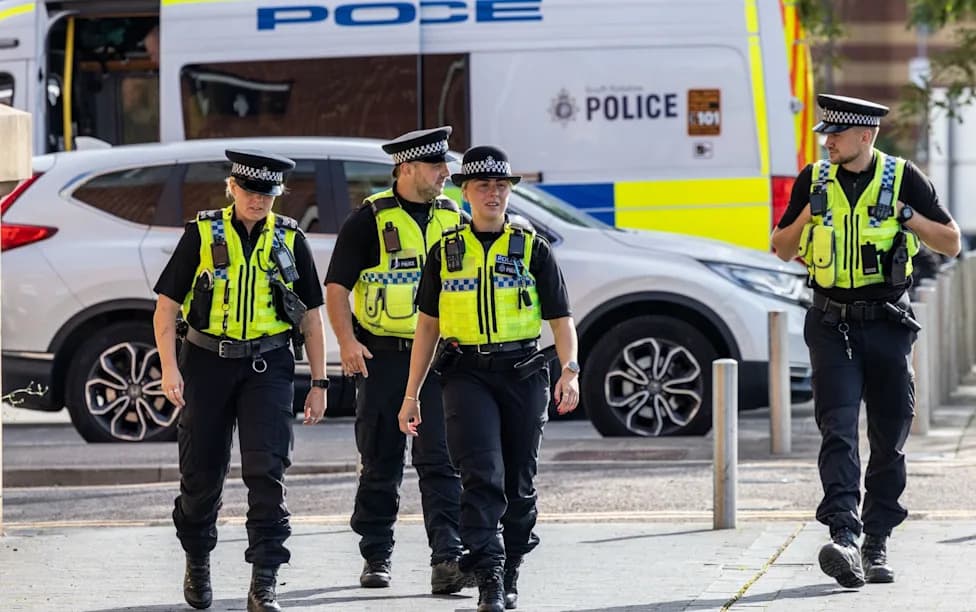
Middlesbrough, a town of about 156,000 people, has been thrust into the national spotlight after a fatal collision on the A66 that killed two police officers and five young men. That incident, and subsequent violence linked by authorities to an alleged drugs feud, has brought long-standing social problems into sharper focus.
The Human Cost
Local residents describe repeated vandalism and intimidation. Carol, a pensioner on the Thorntree estate, recalls waking to find her windows smashed while she was caring for 11-month-old twins. She has not replaced the glass because boarding it would cost another £200. "We just bought some sticky plaster," she says.
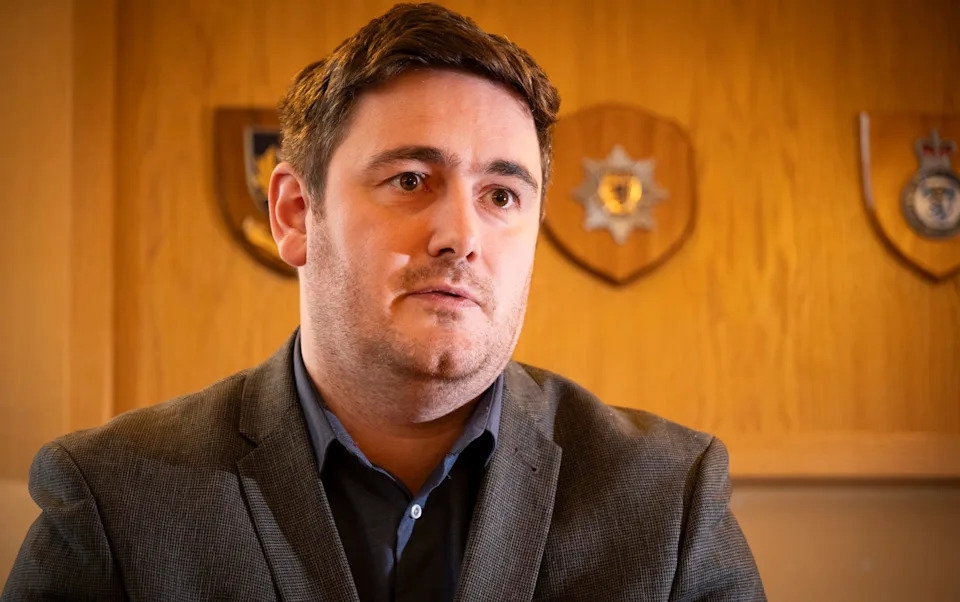
Chris Cooke, the mayor of Middlesbrough, was raised in the care system like many children of the area are - Mark Pinder
"There were two old people over Whinney Banks in their 80s. They've had their windows all put through. It's drug dealers being nasty. If a member of the family owes £20 or £10, they go around and cause thousands of pounds in damage to the person who is not involved."
Crime and Local Services
Official figures place Middlesbrough's overall crime rate below only Westminster and Camden in England, making it the highest outside London by that comparison. Violent crime is especially high in neighbourhoods such as Berwick Hills, where rates exceed three times the national average. Residents report frequent attacks on buses, repeated burglaries of small businesses and visible youth gangs riding modified electric bikes in balaclava masks.
Economic Roots
Experts link much of Middlesbrough’s law-and-order problems to a long history of deindustrialisation. Once an industrial powerhouse known as "Ironopolis," the town saw a steep decline in manufacturing work from the 1970s and a sharper collapse in the 1980s. Stable, well-paid jobs were replaced by low-paid, insecure service work, part-time roles and short-term contracts.
"Kids growing up in Middlesbrough don't have a clear occupational route ahead of them. The jobs on offer are really poor quality. There isn't a salaried middle class," says Prof Simon Winlow of Northumbria University.
Child Poverty, Education and Youth Risk
Half of Middlesbrough’s neighbourhoods are classed as highly deprived—the highest share of any local authority in England. Persistent school absence is high (more than one in five pupils miss at least 10% of school), and more than one in five 18–24-year-olds are not in education, employment or training (NEET). Local charities warn that gangs can begin recruiting children as young as 12 or 13, lured by quick cash from drug dealing that outstrips earnings from apprenticeships or entry-level jobs.
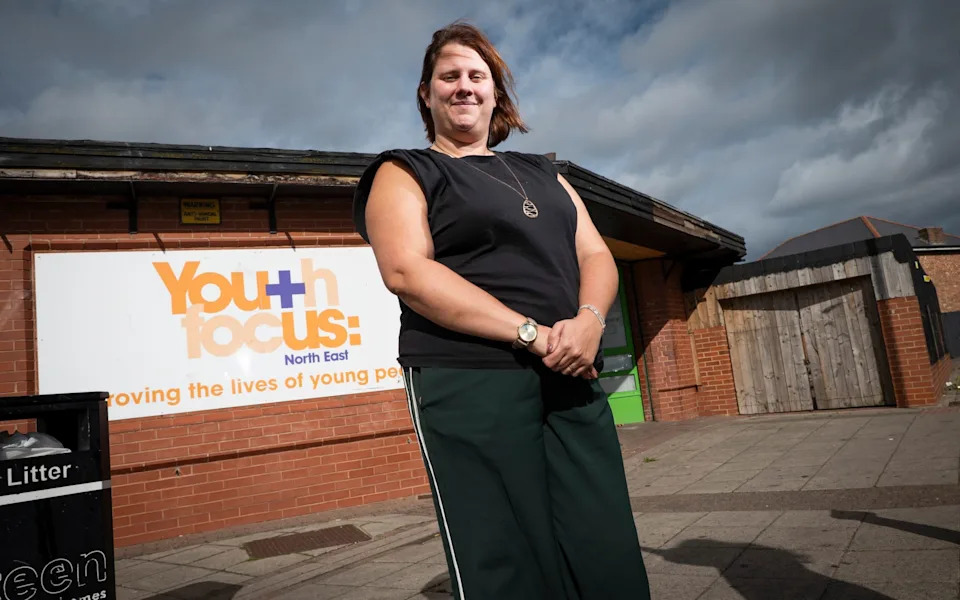
Laura Bush, a charity worker, says children and teenagers are exposed to 'glitzy' lifestyles on social media that push them towards crime - Mark Pinder
Community Response and Early Intervention
Council initiatives and local charities are working to interrupt these cycles. The mayor has promoted workplace visits for 10-year-olds to broaden career aspirations, and youth organisations are delivering early-intervention programmes that educate young people about gambling, drugs and the risks of county-lines crime. Still, volunteers and professionals describe an uphill battle against poverty, service cuts and family instability.
Voices From the Town
Despite the challenges, civic pride and community resilience remain strong. "We're doers in Middlesbrough. If there's a problem, we'll just crack on with it ourselves," says a local charity worker. At the same time, residents like Carol and her friend Sandy express frustration: "There are dealers everywhere. Every street round our way you can find a dealer. We've reported them, but they're still selling."
Looking Ahead
Middlesbrough’s problems are not new, but recent events have intensified debate about how to combine policing, social services and economic regeneration effectively. Experts argue the solution must be long-term: sustained investment in jobs, schools and youth services to replace the structural void left by decades of deindustrialisation.
Help us improve.