Congresswoman Nancy Mace warned that inexpensive Iranian-style attack drones could strain U.S. air defenses by forcing the use of costly Patriot interceptors. Independent reporting supports the roughly $20,000–$50,000 price for Shahed-style drones versus about $4 million per Patriot interceptor, and early reports suggested heavy interceptor use. Lawmakers are debating war-powers and funding as analysts explore lower-cost countermeasures like lasers, which have lower per-shot costs but operational limitations.
Nancy Mace Warns Cheap Iranian Drones Could Drain U.S. Air Defenses

Nancy Mace
Congresswoman Nancy Mace warned on social media that inexpensive Iranian-style attack drones could impose heavy costs on U.S. air defenses by forcing the use of far more expensive interceptors. Her claim highlights a broader debate about asymmetric warfare, defensive strategy and affordable countermeasures.
Mace's Claim
In a TikTok video, the South Carolina Republican contrasted reported price ranges for Iranian Shahed-style drones — roughly $20,000–$50,000 apiece — with an estimated unit cost of about $4 million for a Patriot interceptor. She argued the U.S. can develop low-cost loitering munitions of its own, citing a $35,000 reverse-engineered system and urging Congress to consider the fiscal and strategic implications.
'We can build cheap. We can build butter. We copied Iran's own drone for $35,000. We can build one of those,' Mace said. 'When it costs $4 million to stop a $50,000 drone, the enemy doesn't need to win. He just needs to keep sending us the bill.'
What Independent Reporting Shows
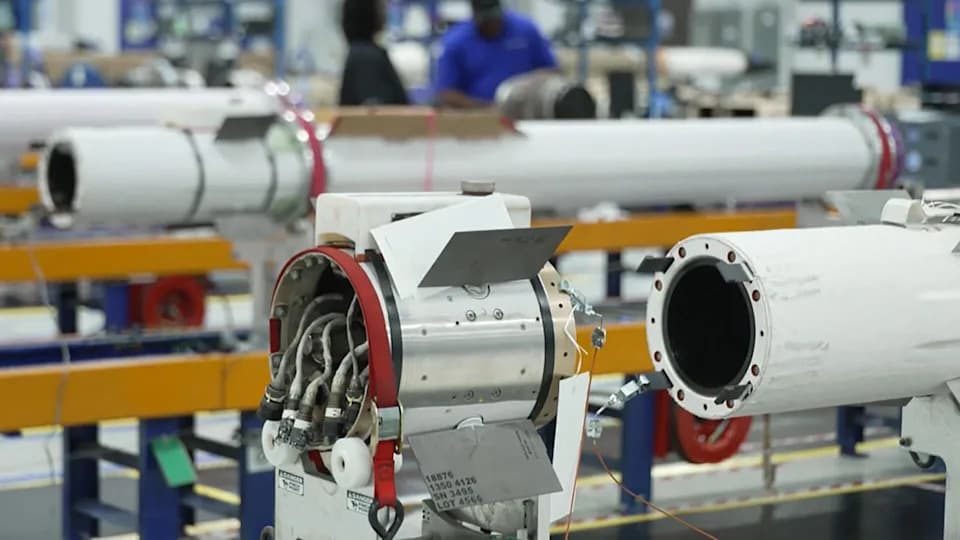
Independent outlets generally corroborate the large cost disparity Mace cited. Euronews and other sources estimate that Shahed-family drones are priced in the low tens of thousands of dollars, while a Patriot interceptor has been publicly reported at roughly $4 million per round. Analysts have characterized this gap as a deliberate asymmetric approach: make attacks cheap enough to force an adversary to expend costly defenses.
Early in the conflict, reports suggested heavy interceptor usage: the Kyiv Independent reported that more than 800 Patriot interceptors were fired in the first three days of fighting. News organizations including CNN and Arab News summarized a closed-door briefing in which U.S. officials told lawmakers that the drones' low cost, small size and ability to operate in swarms complicate traditional air defenses.
Low-Cost Alternatives and Limits
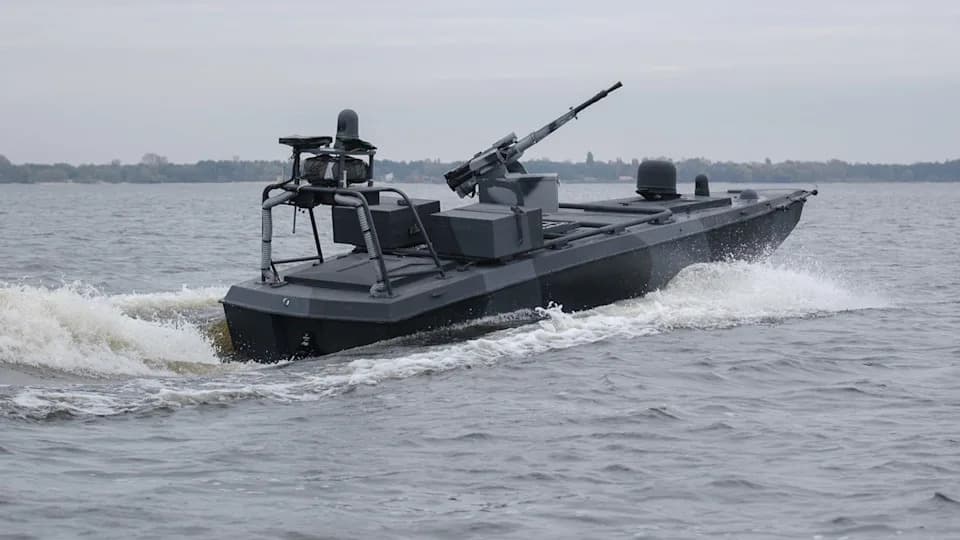
Mace referenced a Low Cost Uncrewed Combat Attack System (LUCAS) that an Arizona company says was reverse-engineered from Shahed designs and can be produced for a fraction of interceptor cost. Reporting from outlets such as Newsweek and Fortune notes that Shahed-model drones have been used operationally and that U.S. and allied forces are exploring lower-cost countermeasures.
Directed-energy systems — lasers — have been offered as a lower-cost-per-shot alternative. Reporting indicates systems such as AeroVironment's Locust, the Navy's HELIOS, and Israel's Iron Beam have engaged one-way attack drones, with some estimates putting per-shot costs for certain laser systems in the single-digit dollars. However, trade-offs remain: laser systems have limited range, can be degraded by dust, fog or sand, and may struggle with simultaneous multi-target engagements.
Political Context
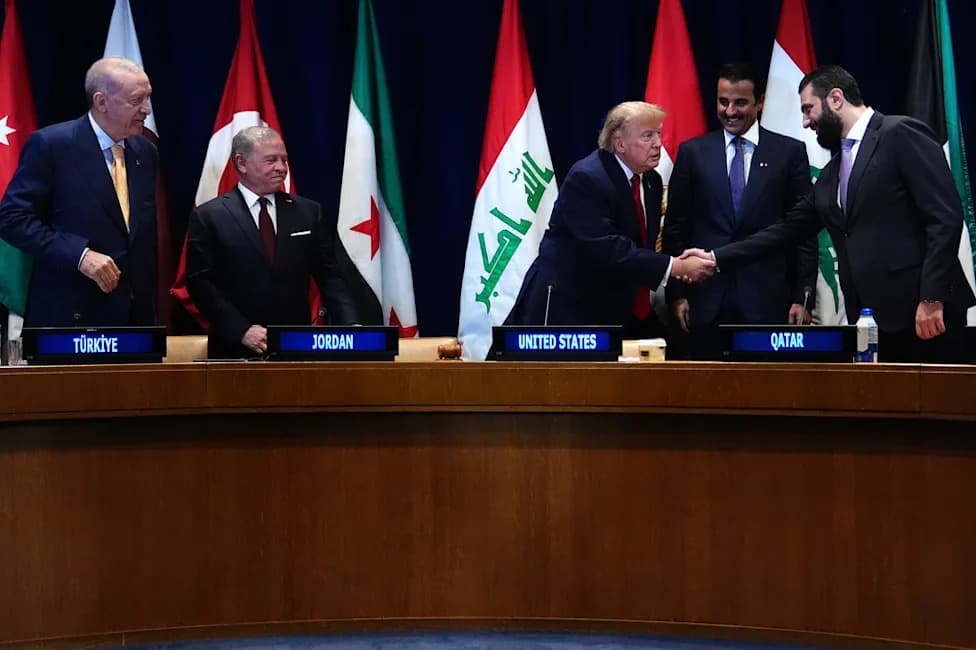
Mace raised her concerns as Congress debated limits on presidential war powers and broader policy toward Iran. Media reports show the Senate recently rejected a resolution to restrict war authorizations by a narrow margin, while the House passed its own war-powers measure. Other reporting notes U.S. casualties and diplomatic developments as lawmakers weigh oversight and funding questions.
Bottom Line
The central fact driving this debate is the stark cost differential between inexpensive attack drones and the traditional interceptors used to stop them. That gap has prompted calls for new, affordable defensive systems and renewed scrutiny of strategic choices, procurement priorities and congressional oversight. While cheaper countermeasures exist, each option brings operational limits that policymakers must weigh against cost and effectiveness.
Help us improve.