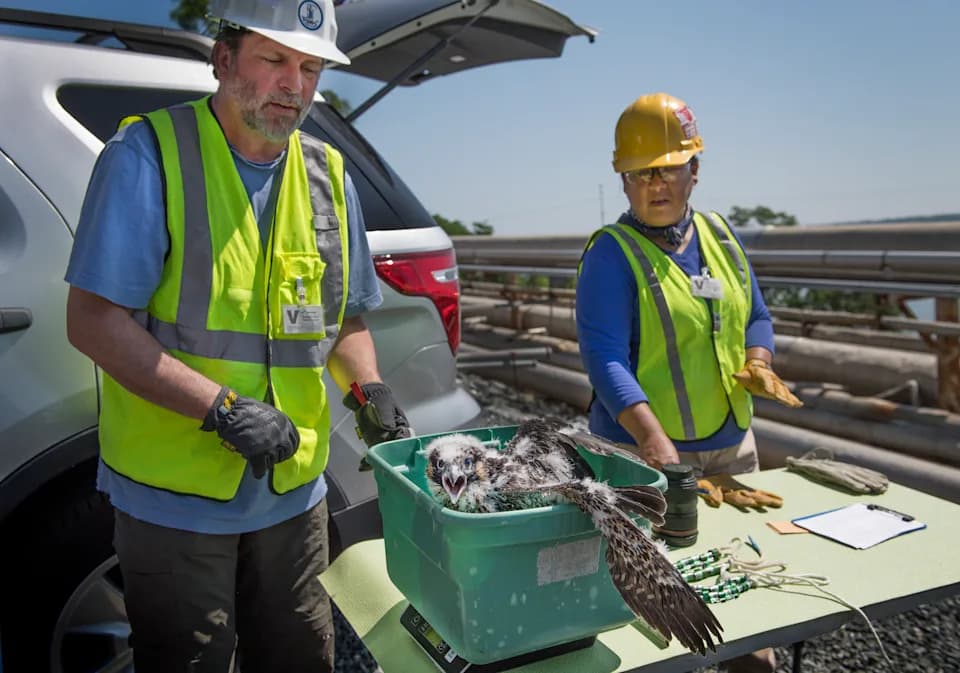
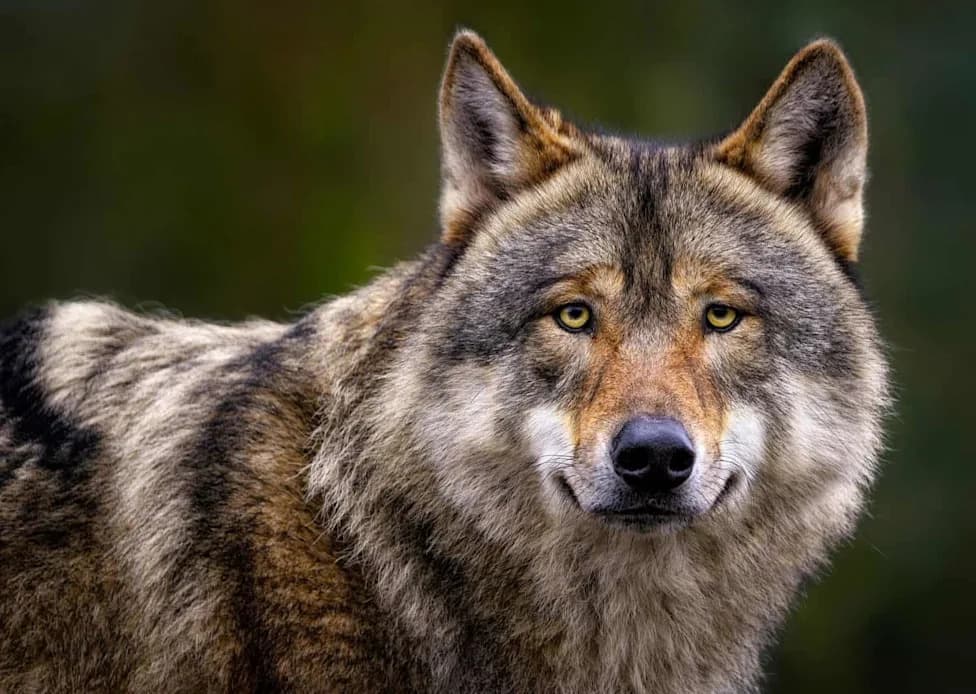
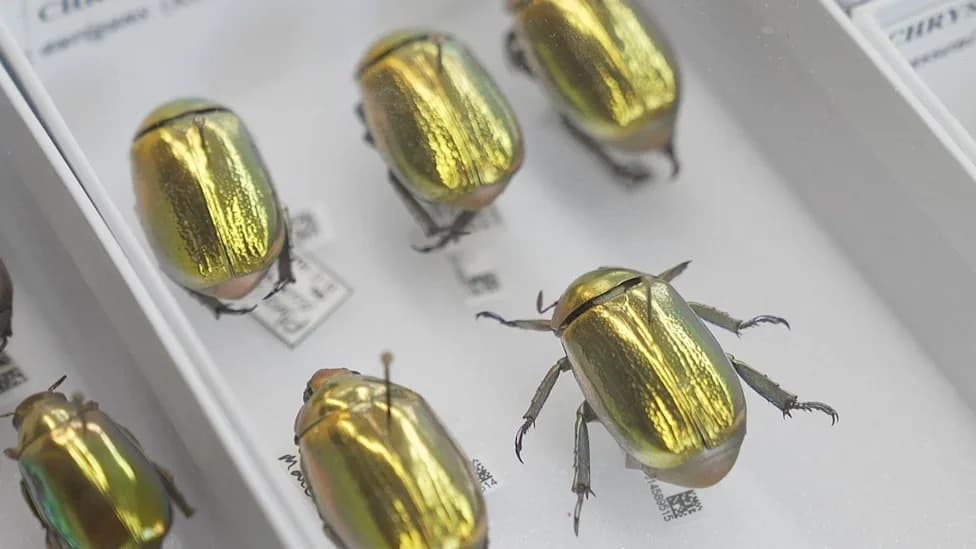
On Prince of Wales Island, grey wolves are increasingly preying on sea otters, signaling a notable extension of their ecological role into coastal waters. Patrick Bailey (University of Rhode Island) combines tooth chemistry, trail cameras, museum specimens, and local knowledge to determine whether this behavior is widespread. New findings show coastal wolves have liver mercury levels up to 278 times those of inland wolves, posing reproductive and neurological risks. The research suggests ecosystem boundaries are porous, with land–sea connections shaping predator and prey dynamics.
On Alaska’s Coast, Wolves Have Started Hunting Sea Otters — And It Could Reshape Coastal Ecosystems
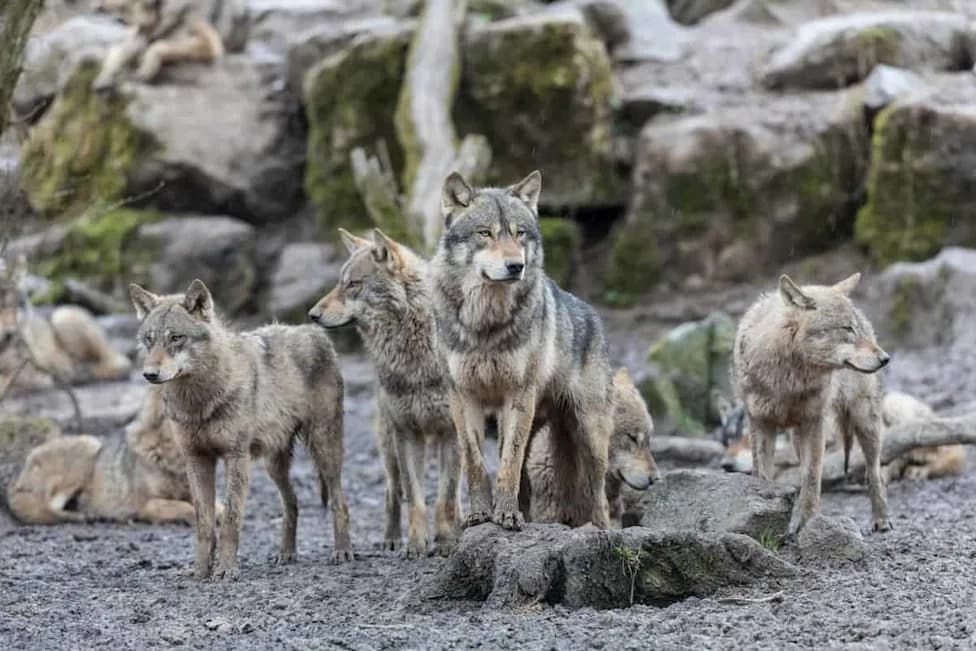
Wolves© iStock.com/AB Photography
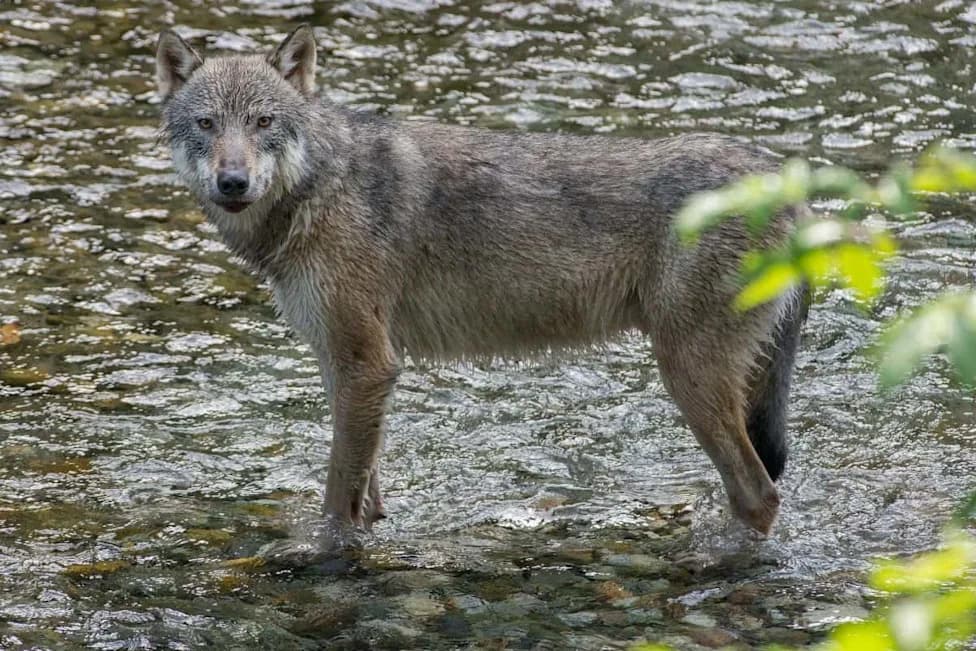
On Prince of Wales Island in Alaska, the boundary between forest and sea is blurring: grey wolves, long associated with inland habitats, are increasingly hunting sea otters along rocky shorelines. This surprising behavior extends wolves' ecological role into tidal zones and may produce cascading effects throughout coastal food webs.
Tracking a New Hunting Pattern
Reports of wolves taking aquatic prey have surfaced sporadically for years, but scientists lacked detailed evidence on how often coastal packs hunt marine species and what the broader consequences might be. Patrick Bailey, a Ph.D. candidate at the University of Rhode Island working in Sarah Kienle's Coastal Ecosystem and Animal Lab (CEAL), is assembling that evidence by combining classical ecological methods, modern technology, and local knowledge.
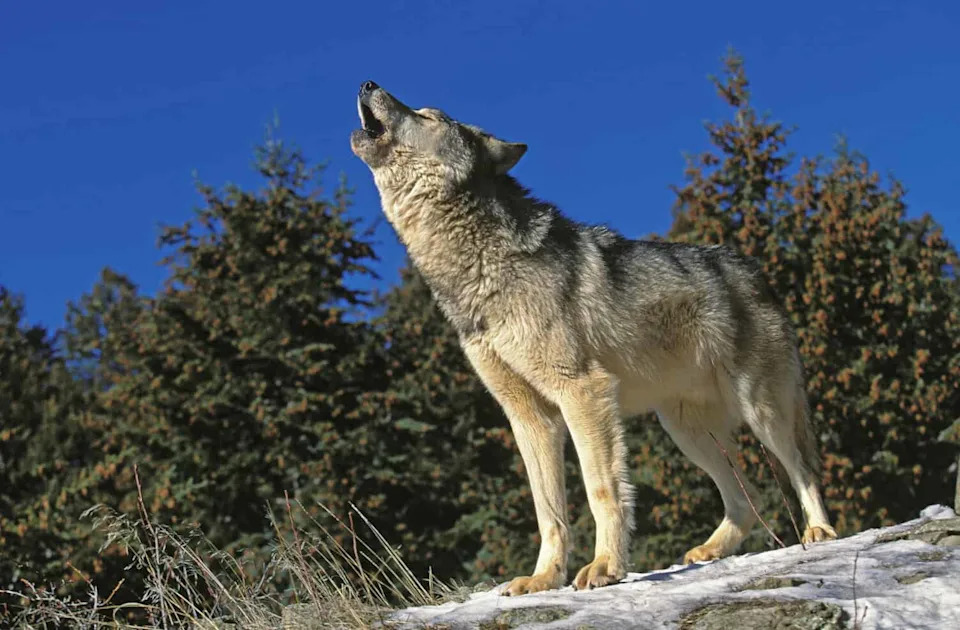
Wolves howl©slowmotiongli/Shutterstock.com
One central approach uses chemical analysis of wolf teeth. Much like tree rings, incremental growth layers in teeth capture chemical signatures from an individual's diet at different life stages. "If large enough, we can individually sample each of these growth rings to track an individual's feeding patterns over time," Bailey explains. By comparing teeth from contemporary coastal wolves, inland wolves, and museum specimens, the team can determine whether marine prey are an occasional opportunism or a widespread adaptation among coastal packs.
Local Insight and Better Cameras
Fieldwork has benefited from collaboration with island residents who possess intimate knowledge of the terrain and wildlife. Trail cameras—now far more capable than those used a decade ago—are capturing wolves' shoreline hunts with unprecedented clarity, revealing timing and tactics that were previously invisible.
©Tikhomirov Sergey/Shutterstock.com
Health Risks From Contaminants
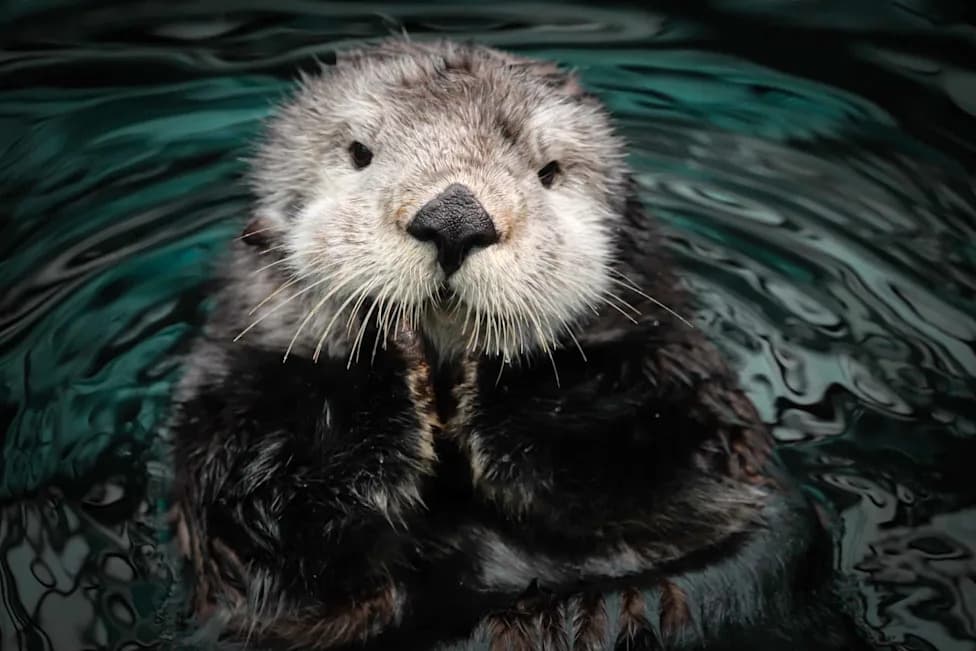
One pressing concern is contamination. Sea otters, which were hunted nearly to extinction by the fur trade and have since rebounded as keystone predators that help restore kelp forests, bioaccumulate methylmercury, a potent neurotoxin. New research by Sophie Gilbert Roffler and colleagues found that liver samples from coastal wolves contained mercury concentrations up to 278 times higher than those from inland wolves. Bailey warns that methylmercury accumulation can cause reproductive problems, reduced body condition, and behavioral abnormalities, potentially compromising the health and long-term viability of wolves that regularly consume marine mammals.
Broader Questions and Evolutionary Context
Although Prince of Wales Island is the immediate focus, Bailey's dissertation adopts a wider perspective. He is comparing coastal and inland wolves across historical ranges—including analyses of Canadian skulls housed at Harvard—to explore how hunting in different environments may have influenced wolf ecology and evolution over centuries.
Why It Matters
The emerging picture emphasizes that ecosystem boundaries are more porous than previously thought. As wolves extend their diets into tidal habitats, their feeding choices can ripple across species and habitats: from otters and kelp forests to contaminant pathways that affect top predators. Understanding these dynamics will be essential for conservation planning and for anticipating unexpected links between land and sea.
Help us improve.