Six competitive Senate states show divergent labor-market conditions that could shape the 2026 midterms. Michigan (5.0%), Texas (4.4%) and Alaska (4.3%) are above the national unemployment rate of 4.1%, while Iowa, Maine and Ohio sit near 3.2–3.3%. Experts say headline unemployment alone won’t determine votes — voters care more about job security, layoffs, wages and the cost of living. Local layoffs in manufacturing, energy and transportation give Democrats material to press for change, while Republicans point to generally low unemployment as evidence of resilience.
How Unemployment Could Shape Six Key Senate Races Ahead of the 2026 Midterms
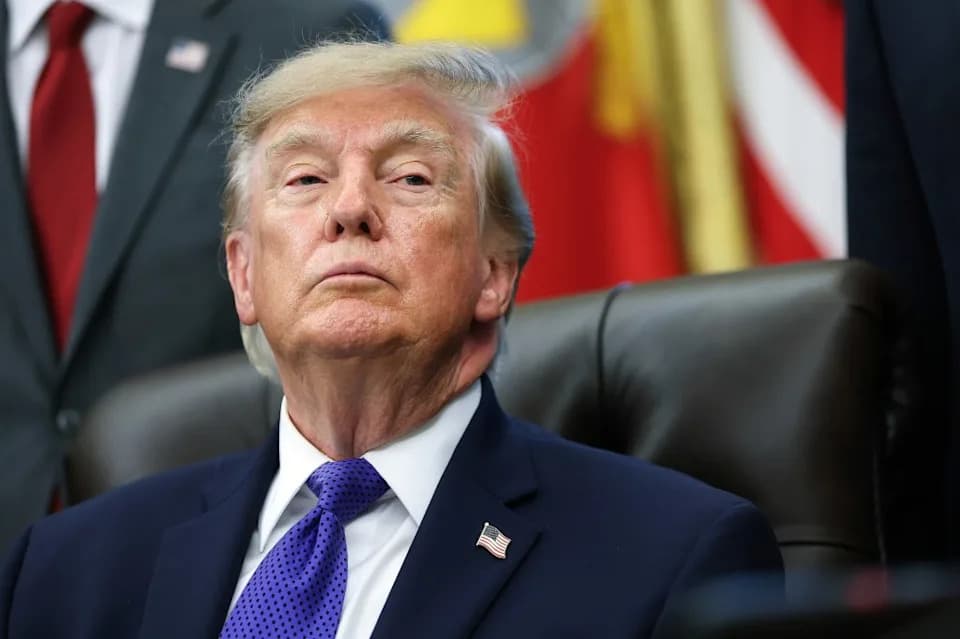
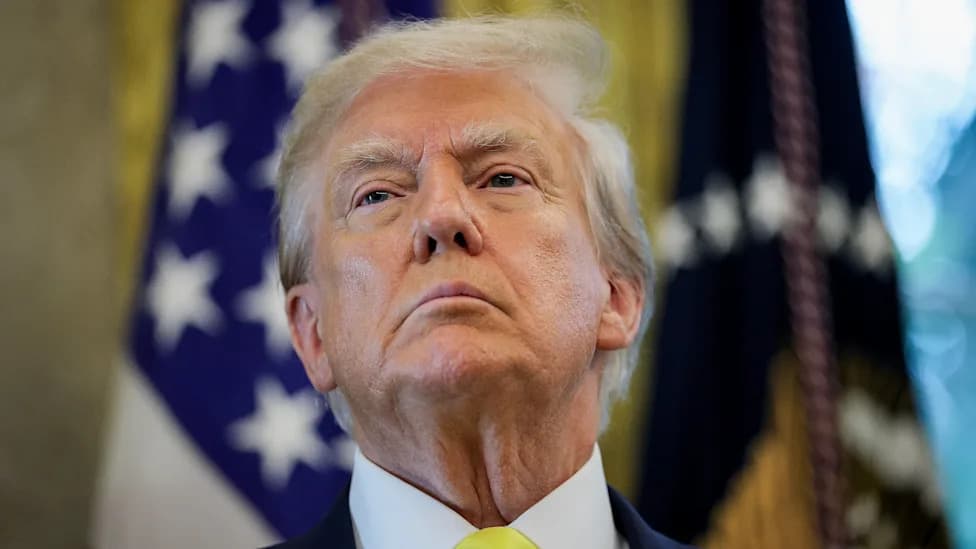
President Donald Trump listens to a reporters question in the Oval Office at the White House on September 28, 2026 in Washington, D.C.
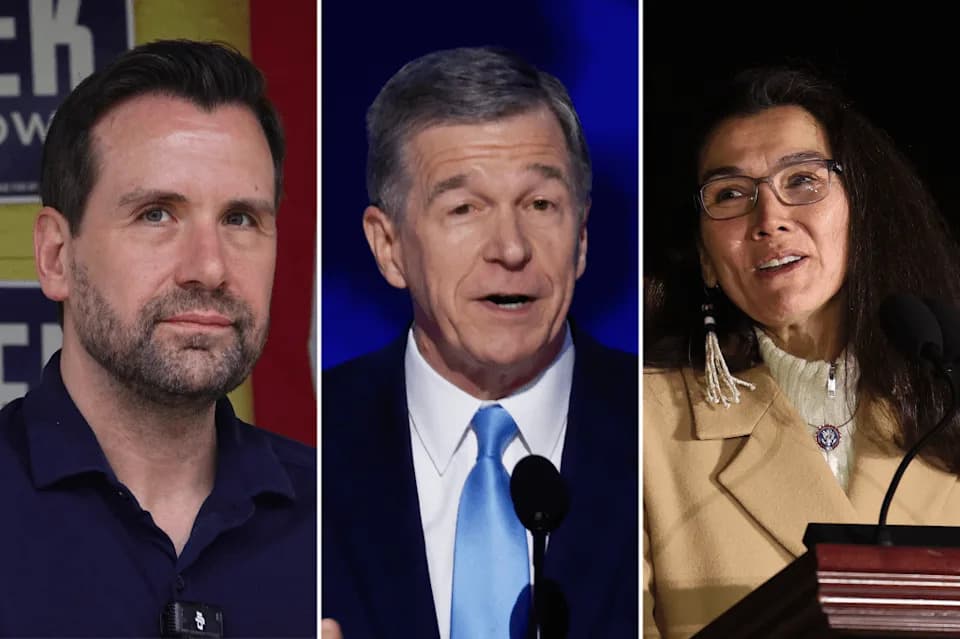
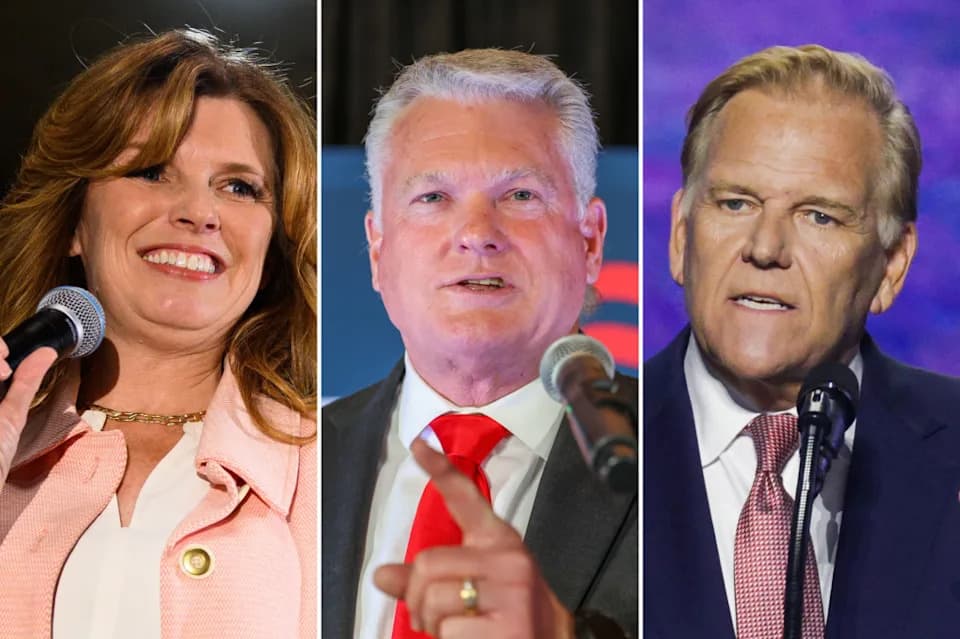
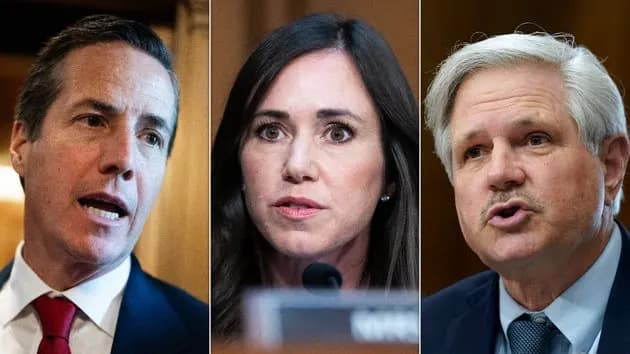
The state of unemployment and the broader economy could play an outsized role in several Senate races Democrats are targeting to help retake control of the chamber in the 2026 midterms. The competitive map spans six states with very different labor-market conditions: five where Democrats hope to flip Republican-held seats (Alaska, Iowa, Maine, Ohio and Texas) and one battleground where they are defending an open seat (Michigan).
According to the latest Bureau of Labor Statistics data, Iowa, Maine and Ohio report unemployment rates well below the national average, while Michigan, Texas and Alaska sit above the U.S. rate. Voters in low-unemployment states may focus more on wages and cost-of-living pressures, while candidates in higher-unemployment states will face questions about layoffs, job security and the broader direction of the economy.
Where Unemployment Stands
The latest BLS figures show the national unemployment rate at 4.1% in August (unchanged from July). Among the six battleground states:
- Michigan: 5.0% (highest of the six)
- Texas: 4.4%
- Alaska: 4.3%
- Ohio: 3.3%
- Maine: 3.2%
- Iowa: 3.2%
Why The Numbers Don’t Tell The Whole Story
"Unemployment is not really the economic language of the 2026 campaign. Jobs still matter enormously, but the old political shorthand around unemployment has lost some of its power," said Matt Watkins, CEO of Watkins Public Affairs.
Experts warn that headline unemployment rates can mask workers' lived experience. Someone may be employed yet still feel economically insecure because of stagnant wages, hiring freezes, reduced hours, or the lasting effects of recent layoffs. Tara Furiani, CEO of Not The HR Lady and SAIL For Leaders, notes that employment security and economic confidence often matter more to voters than the unemployment percentage alone.
Recent Layoffs And Local Risks
Several large employers in these states have announced layoffs or WARN notices, adding political fuel to the debate over jobs and economic policy:
- Spirit Airlines filed a WARN notice affecting 643 workers in Detroit.
- General Motors filed a notice affecting about 350 workers in the Lansing region.
- Chevron announced plans that included 799 layoffs in Midland County as part of a broader workforce reduction.
- Tyson Foods filed a warning for more than 3,500 potential layoffs in Amarillo.
Those local disruptions can sharpen voters’ concerns about job availability, wages and the future of industries such as manufacturing, energy and transportation.
How Campaigns Are Framing The Issue
Democrats are highlighting layoffs and regional economic strains to argue for congressional change, while Republicans point to historically low unemployment in many places as proof the economy is resilient. Candidates on both sides are tailoring messages to local conditions—emphasizing skills training and manufacturing in Michigan, working-class themes in Maine, and business growth in Texas.
"Both things can be true at once: the traditional indicators can look strong while people remain deeply dissatisfied with their economic circumstances," Watkins said, drawing a parallel with the stock market’s limited relevance for many workers’ day-to-day costs.
What Voters Are Likely To Care About
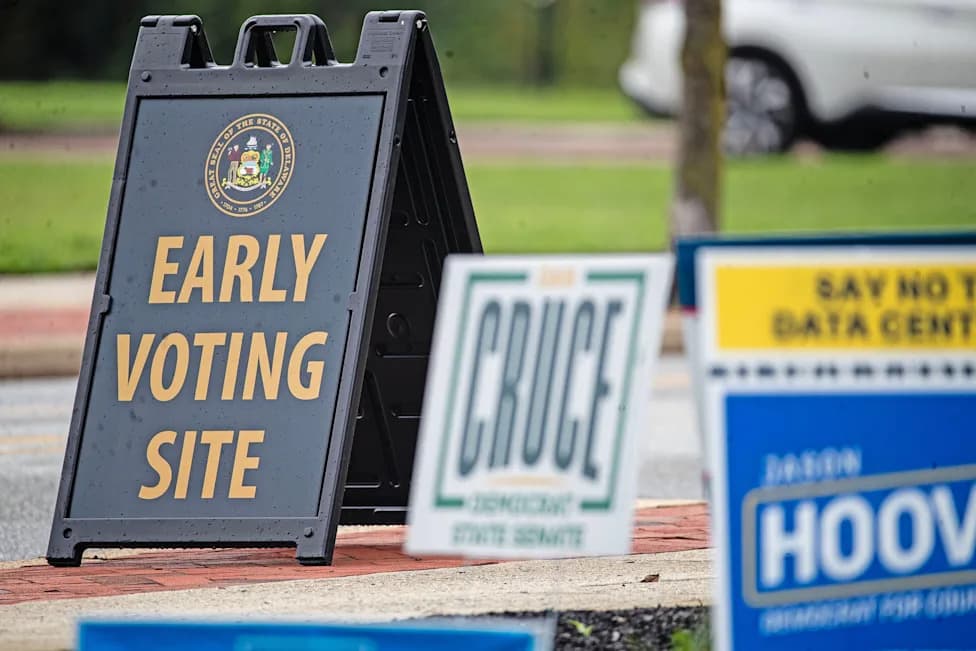
As experts recommend, campaigns that focus on employment security, wages, and cost-of-living pressures are more likely to resonate than those that only point to headline unemployment rates. With early and absentee voting beginning in many states weeks before Election Day on November 3, candidates will sharpen economic messages to appeal to voters’ lived experiences.
Help us improve.