The White House, led by OMB Director Russ Vought, is reportedly preparing an executive order to create an external commission with the power to review and veto NIH grant awards, prompting concerns about political interference in scientific funding. NIH Director Jay Bhattacharya resisted giving political overseers greater control, according to reporting from The Washington Post, Politico and The New York Times. Separately, Germany's far-right AfD made notable state-level gains and U.S. federal agents shot a Venezuelan man in Austin, stoking debate over enforcement tactics.
White House Moves To Create Commission With Veto Power Over NIH Grants, Raising Fears Of Political Interference
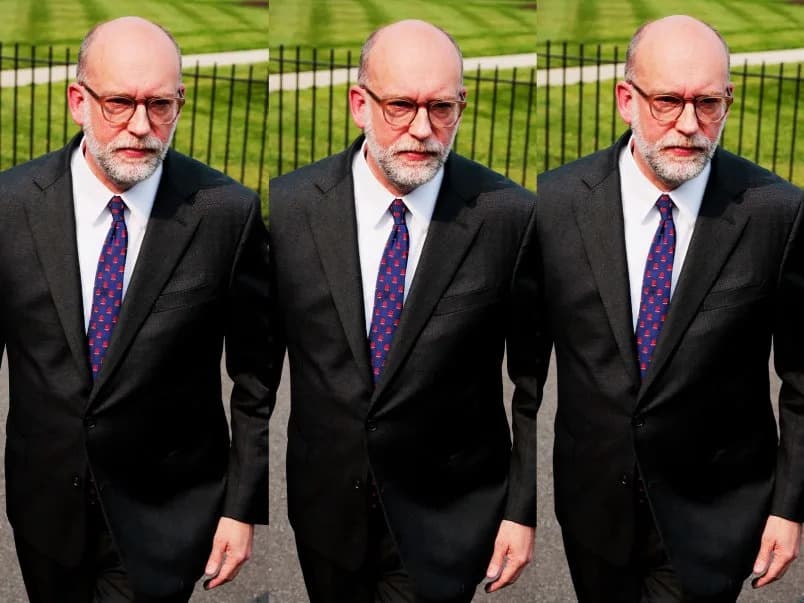
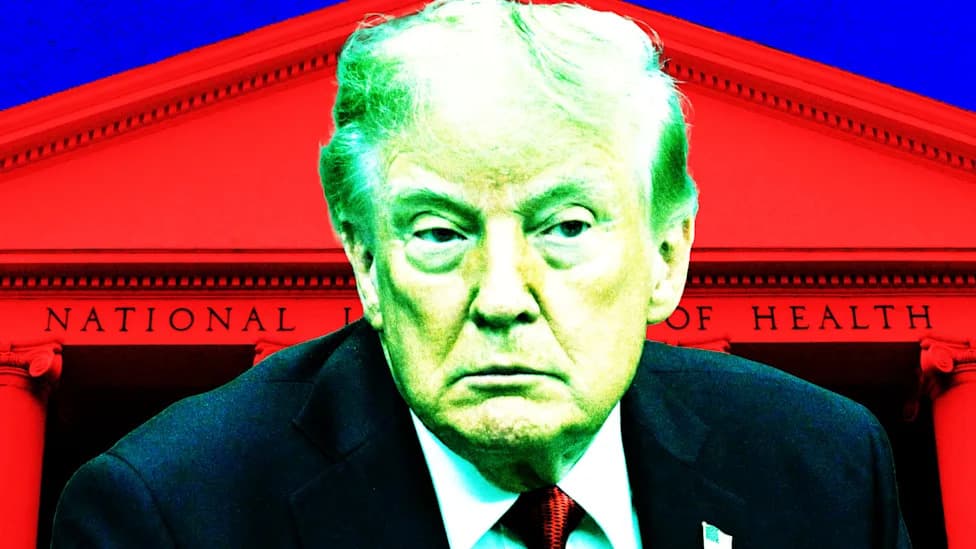
The White House has renewed efforts to exert greater control over federal research funding, focusing this week on the National Institutes of Health (NIH). Reports from The Washington Post, Politico and The New York Times describe a push led by Office of Management and Budget Director Russ Vought to create an external body with authority to review — and potentially veto — individual NIH grant awards.
Vought's campaign follows an earlier pattern of interventions, including the episode known as "DOGE" and a 2025 pause of NIH research grants that lasted months before Republican senators quietly lobbied for a reversal. According to the recent reporting, Vought objected that NIH's portfolio remained too aligned with research priorities he and allies deem "woke," even after cuts to projects related to LGBTQ issues, women's health and other programs labeled by critics as DEI-related.
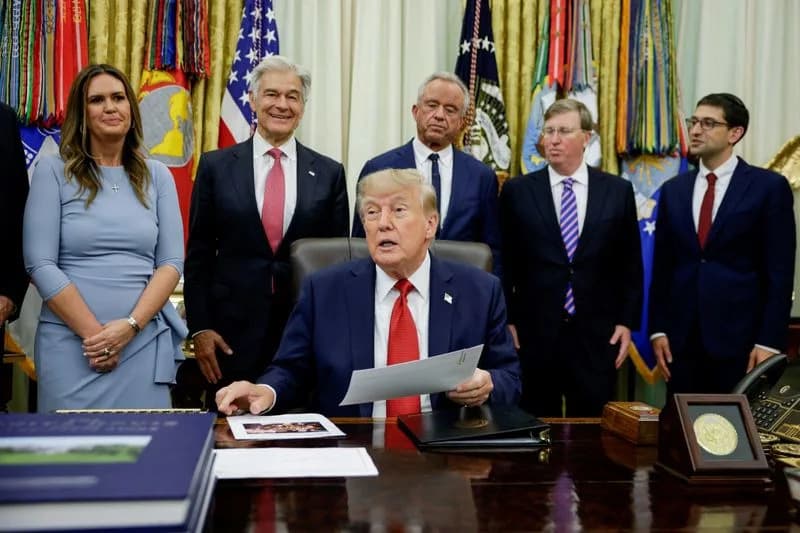
The reporting also describes a possible retaliatory dimension: senior officials viewed a component of the effort as targeting Harvard University after past administration attempts to pressure the institution fell short. President Trump and Vought reportedly summoned NIH Director Jay Bhattacharya for a meeting. Although Bhattacharya shares some ideological ground with the administration on other issues, the accounts say he defended NIH's scientific grantmaking and resisted ceding greater authority to political overseers.
Over the weekend the Post reported the White House was exploring an executive order to establish a "commission to review the NIH's grants." Politico reported the president directed Vought to draft the order, and The New York Times said drafting had already begun. The Times described the proposed body as an "external committee with the power to veto awards in the National Institutes of Health's vast research portfolio that do not conform to Mr. Trump's political agenda."
What This Would Mean
Experts and critics warn the proposal would shift power away from career scientists and peer review processes toward political appointees with explicit policy priorities. Similar, broader proposals to place political appointees over federal grantmaking were previously criticized by scientists and lawmakers from both parties; one such measure was blocked in Congress this year. An executive order would be an alternate route to similar ends, raising constitutional and policy questions about the separation of political oversight and technical, peer-reviewed science funding.
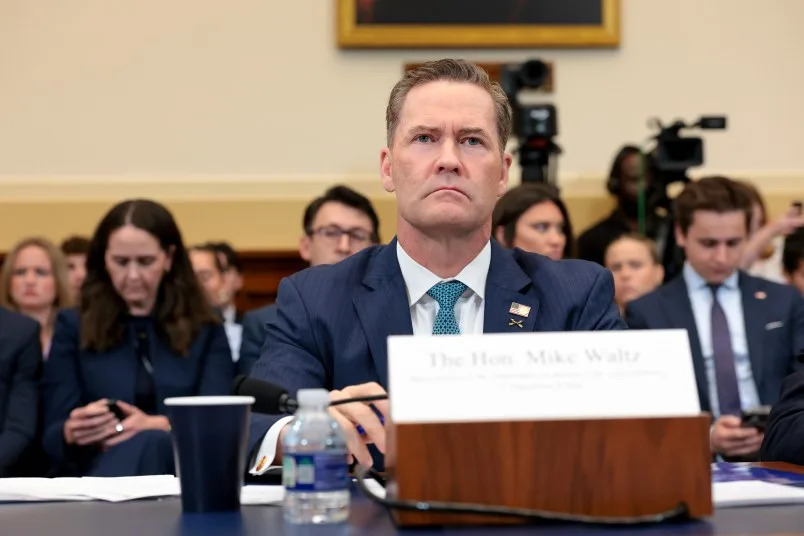
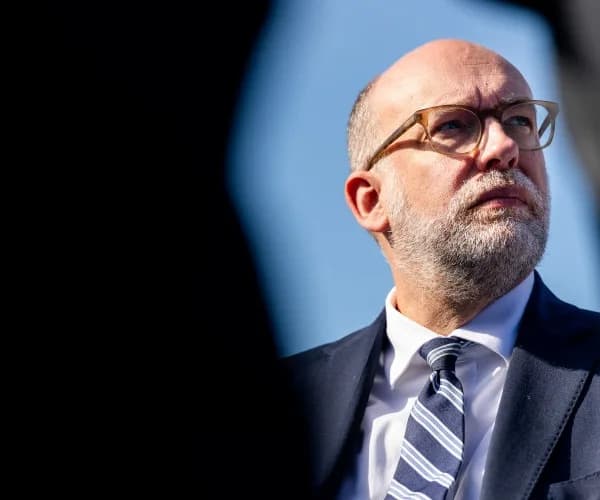
WASHINGTON, DC – JULY 22: U.S. Ambassador to the United Nations (UN) Mike Waltz listens during a hearing with the House Foreign Affairs Committee on Capitol Hill on July 22, 2026 in Washington, DC. The committee held the hearing to discuss reforms in the United Nations proposed by the U.S., and the U.S. war with Iran. (Photo by Anna Moneymaker/Getty Images)
The development places pressure on Sen. Susan Collins (R-ME), the Republican chair of the appropriations committee, who could move to block such an executive order through legislation or oversight. Observers will watch whether she seeks a permanent statutory fix or pursues a temporary response tied to electoral calendars.
Other Developments In Brief
Germany: State elections highlighted gains for the far-right Alternative für Deutschland (AfD). In Mecklenburg-Western Pomerania the AfD won a plurality with 38.3% of the vote, while the SPD received 35.4%. Earlier in Saxony-Anhalt the AfD nearly reached a majority with about 44%. In Berlin the AfD rose to roughly 16.3%; the left-wing Linke led that contest at 25.3%. Analysts warn these results represent the strongest far-right showing in Germany since World War II and could complicate national politics if the trend continues.
U.S. Law Enforcement: Federal immigration officers shot and seriously injured a Venezuelan man in Austin, Texas, according to initial reports. Coverage of enforcement incidents has also stirred strong commentary: Greg Bovino, a former Customs and Border Protection commander at large, argued in an interview that federal agents in some cities have been too restrained, suggesting differences in law-enforcement approaches influence violent outcomes. His remarks included pointed criticism of media coverage and local officials.
Diplomacy and Politics: U.S. Ambassador to the United Nations Mike Waltz, a former Trump national security aide, has drawn attention in recent profiles as he prepares for the UN General Assembly and — according to reporting — may be positioning himself for higher office. Separately, former President Trump floated a plan for a triumphal arch at a private property and described defensive features such as drones and snipers, framing the proposal in national-security terms.
The unfolding push over NIH grants joins other flashpoints in debates over how political priorities should intersect with federal science policy, and whether executive power can be used to override established grant-review systems. The coming days and weeks will show whether the administration proceeds with an executive order and how Congress and the scientific community respond.
Help us improve.