Anglian Water plans to develop two seawater desalination plants in Norfolk and Lincolnshire and has awarded a £29m contract to TYPSA‑Stantec to prepare proposals. The plants, together with two new reservoirs, form part of an £11bn 2025–2030 investment to address an expected supply shortfall by 2050. A shortlist of potential sites will be published by year‑end, with preferred locations identified in 2027, and public consultation and environmental assessments will follow. Brine disposal remains the primary environmental concern and will be subject to mitigation measures and review.
Anglian Water Plans Two North Sea Desalination Plants — Shortlist This Year, Sites Chosen By 2027
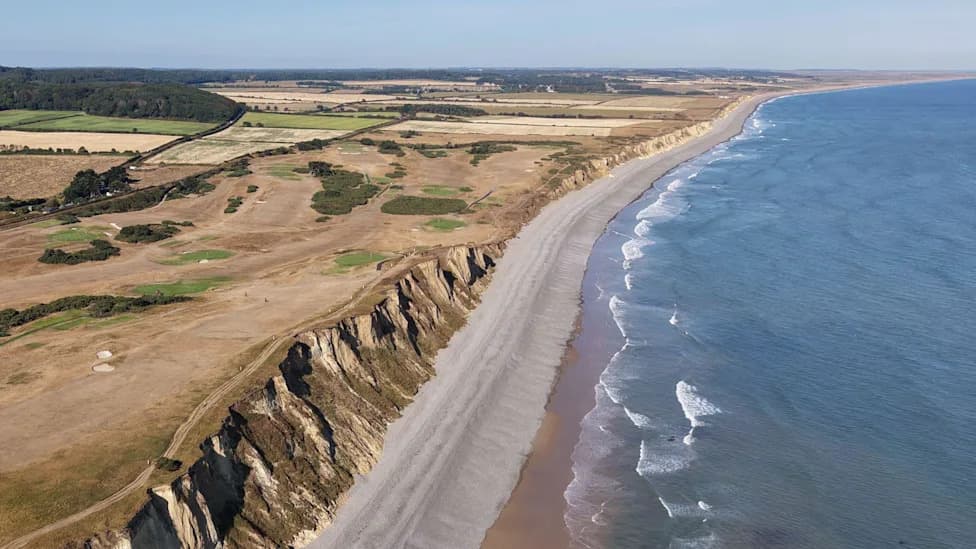
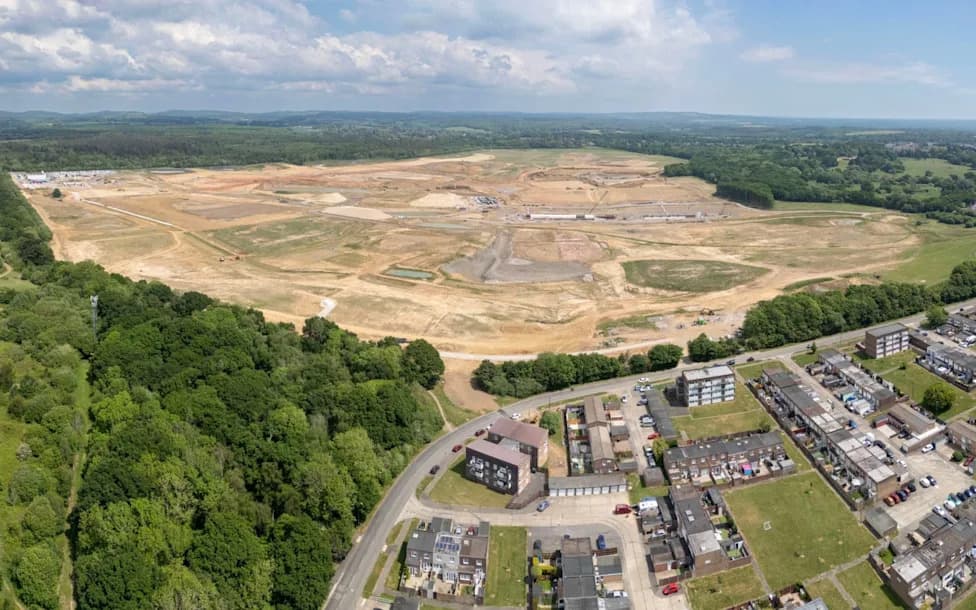
Anglian Water is hoping to build two desalination plants to claim drinking water from the sea [Shaun Whitmore/BBC]
Anglian Water has published further details of proposals to build two seawater desalination plants as part of a wider programme to secure water supplies across its region.
Project Overview
In January the company awarded a £29m contract to the TYPSA‑Stantec partnership, specialists in desalination and engineering, to develop detailed designs for potential sites in Norfolk and Lincolnshire. The proposals form part of an £11bn investment programme covering 2025–2030 that also includes plans for two new reservoirs.
"The benefits of seawater desalination are that it provides a climate‑resilient source of water," the company said, noting desalination can supply water year‑round and reduce reliance on rainfall and river flows.
Why Anglian Is Considering Desalination
Anglian Water says that, without significant intervention, it expects a daily shortfall by 2050 equivalent to roughly half the current volume entering its network. The firm describes its operating area as the UK’s driest and fastest‑growing region and says it is adding about 70,000 new customers each year.
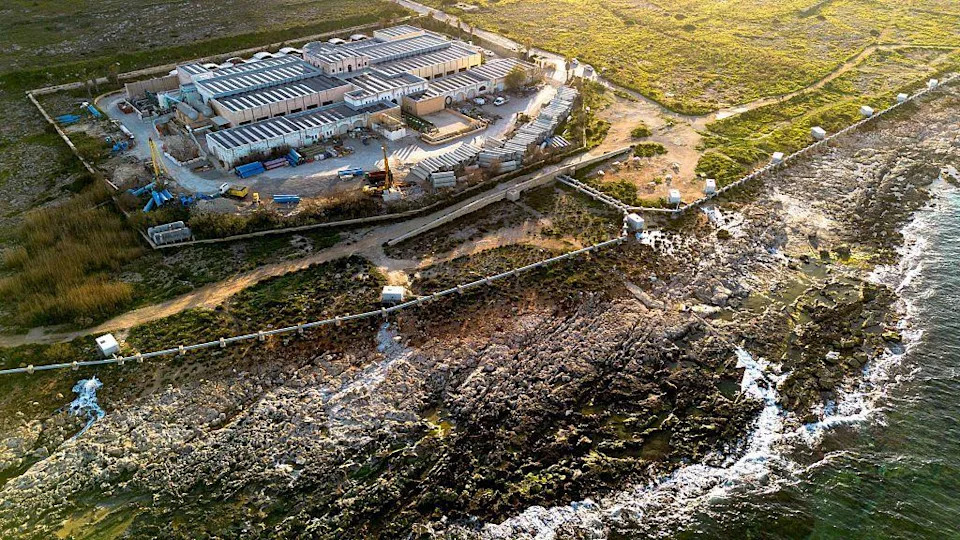
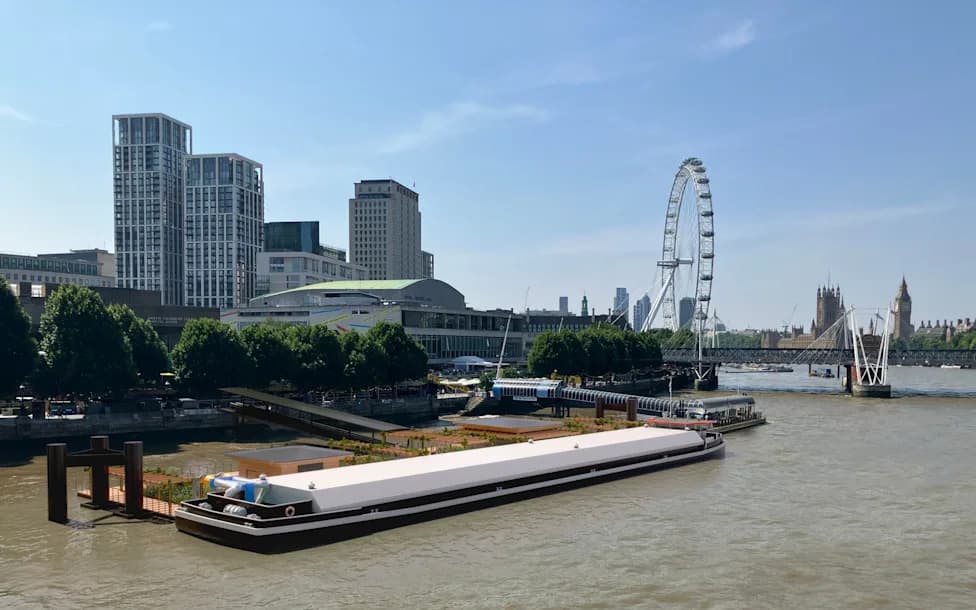
Many countries already have desalination plants, including Malta, Spain, Australia and across the Middle East [Getty Images]
How The Plants Would Work
Each proposed plant would abstract seawater from the North Sea and treat it using pre‑treatment, reverse osmosis and remineralisation before blending the treated water into the regional supply. Anglian Water says brine — the concentrated saline by‑product — would be discharged via long sea outfalls and dispersed using engineered diffusing systems to reduce local impacts.
Environmental Concerns And Mitigation
The controlled release of brine is contentious. Critics warn that concentrated saline effluent can harm marine life and alter local ecosystems. Anglian Water says modern diffuser design and long outfalls will be used to dilute brine, and that further environmental assessment and public consultation will take place as plans develop.
Timeline And Local Impact
- Shortlist: The company aims to publish a shortlist of potential sites for both plants by the end of this year.
- Preferred Sites: Preferred locations are expected to be identified in 2027, followed by further consultation and planning processes.
- Potential Locations: Caister‑on‑Sea (Norfolk) and Mablethorpe (Lincolnshire) have previously been mentioned as possibilities.
Anglian Water’s supply area stretches from Grimsby in Lincolnshire to Southend‑on‑Sea in Essex, west to Northampton and Milton Keynes and east to Lowestoft and Great Yarmouth. In parts of Norfolk, rivers such as the River Wensum have been running exceptionally low following successive heatwaves and prolonged dry spells. Around half of the East of England’s water currently comes from groundwater aquifers, heightening concerns about long‑term resilience.
Public consultation and environmental assessments will shape final proposals as the company works toward securing long‑term, climate‑resilient water supplies for the region.
Help us improve.