Havant Thicket, England’s first new reservoir in 30 years, has been paused and its completion moved from 2029 to 2034 after costs rose dramatically. Ofwat says the bill for the joint Portsmouth Water and Southern Water project has climbed to nearly £1bn from £339m in 2022 and has opened a three-week consultation on the revised budget. Geological problems requiring an embankment redesign and an extra pipeline are among the reasons given. The delay raises local supply concerns — including hosepipe restrictions — and national questions about water storage and resilience, with a funding decision due by year-end.
Havant Thicket Reservoir Paused — Completion Pushed Back to 2034 as Costs Near £1bn
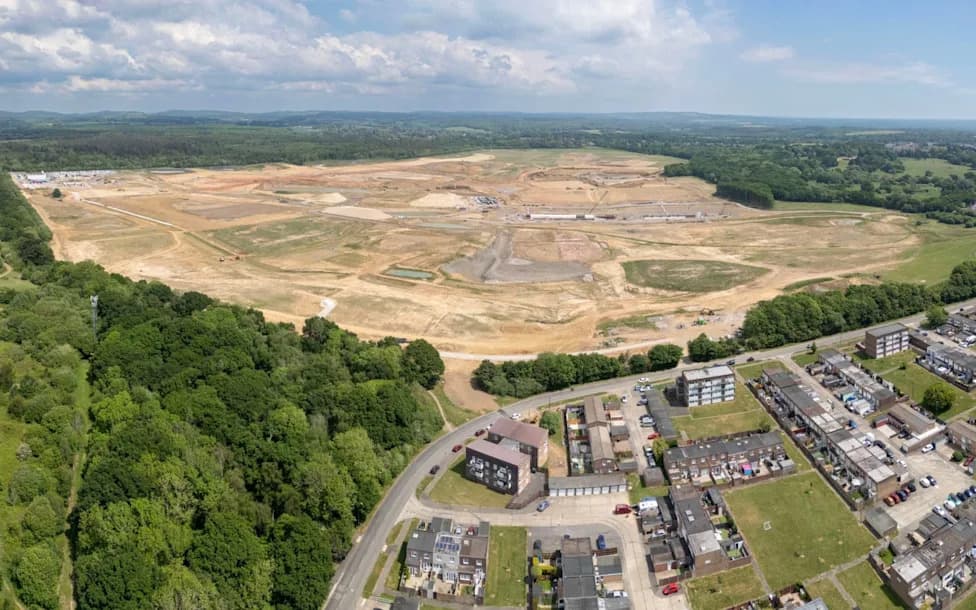
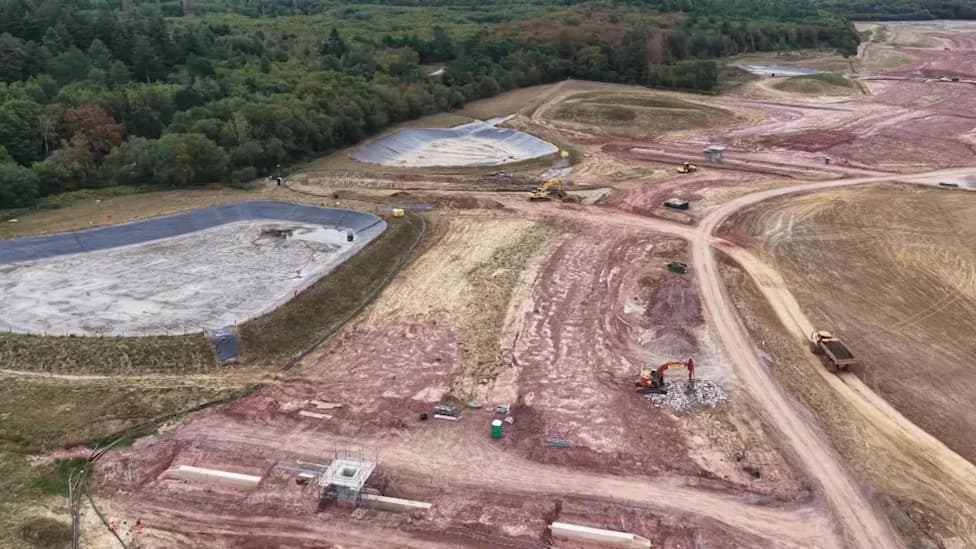
Havant Thicket reservoir will be built on the grassland site between Rowlands Castle, Leigh Park and Staunton Country Park in Havant, Hampshire - Paul Grover
England’s first new large-scale reservoir in three decades, Havant Thicket in Hampshire, has been paused and its completion date pushed from 2029 to 2034 after project costs climbed sharply.
The scheme, a joint venture between Portsmouth Water and Southern Water that won planning approval in 2021, was halted after regulator Ofwat raised concerns about rising costs. Ofwat says the revised estimate is now close to £1 billion — up from about £339 million in 2022 — and has opened a three-week consultation to consider whether to approve the increased budget.
Why Costs Have Risen
Ofwat and the companies cite geological issues that require a redesign of the reservoir embankment and the installation of an additional pipeline, adding to the scope and cost. The regulator has described the revised scope as including future-proofing work linked to a proposed Hampshire Water Transfer and Water Recycling Project.
Local Impact And Wider Context
The delay has renewed concerns about water supply in the region. Southern Water customers in Hampshire and on the Isle of Wight remain subject to a hosepipe ban, and the reservoir was intended to provide a more reliable alternative to heavy abstractions from the River Test.
Southern currently abstracts around 80 million litres per day from the River Test, while the company reports losing roughly 90 million litres per day through leaks. The Havant Thicket scheme was expected to help reduce reliance on river abstractions and support supplies for some 3.5 million drinking-water customers served by Southern and Portsmouth.
Ben Ring, Managing Director for Capital Projects at Southern Water, said: "Ofwat has proposed increased funding based on revised scope to enable the completion of the Havant Thicket reservoir, including future-proofing for our planned Hampshire Water Transfer and Water Recycling Project. Together, these two projects are key components of our plan to protect water supplies and local rivers."
Portsmouth Water spokesman: "We are continuing to make good progress on the construction of Havant Thicket Reservoir. However, since work began, it has been necessary to make two important changes to the project. This includes updating the design of the reservoir embankment and installing an additional pipeline."
Funding, Timelines And National Risks
The project has been financed from customers' bills. Reports indicate the average Southern Water bill has risen to around £760 from about £478 in 2024, while Portsmouth Water bills have increased from roughly £120 to £160. Southern last month said it intends to ask customers to pay an additional £43 a year next year.
Havant Thicket is one of nine reservoirs that have been officially planned and committed for delivery by 2050; it is the only one to have entered construction so far. The Environment Agency warns that without expanding storage capacity England could face a shortfall of about five billion litres of water per day by 2050, a prospect that supporters say makes reservoir projects strategically important.
Ofwat's consultation will run for three weeks and a decision on the revised budget is expected by the end of the year. If the extra funding is not approved, the future of the project is uncertain.
Implication: The pause highlights the tension between rising infrastructure costs, customer-funded bills and the urgent need to improve water resilience amid shifting climate patterns of drier summers and wetter winters.
Help us improve.