The UCSF feasibility trial found that 20 patients who cut ultra-processed foods by more than 85% reported "moderate to large" improvements on three depression measures. Published in JAMA Psychiatry, the small study demonstrates feasibility for larger clinical trials and urges further research to separate effects of macronutrients, calories and processing contaminants. The results add to growing evidence linking diet, the gut–brain axis and mental health, but the authors stress the need for larger, controlled trials.
Small UCSF Trial Finds Cutting Ultra-Processed Foods Linked To Reduced Depression Symptoms — Researchers Urge Larger Trials
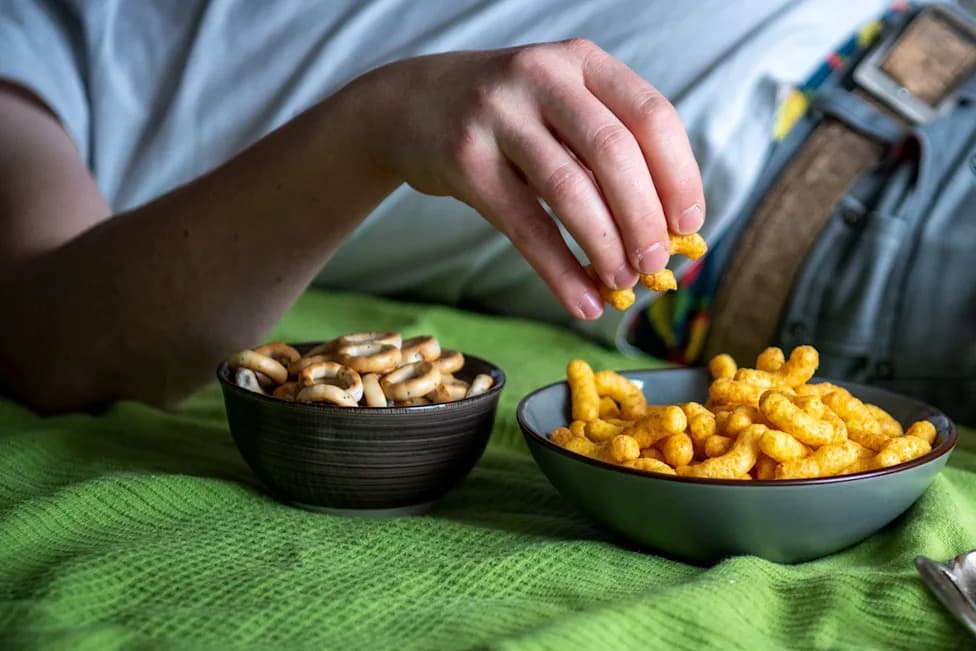
Cutting junk food dramatically reduces depression symptoms, according to a small US study. Could what you eat be shaping how you feel? Laura Ludwig/dpa
A preliminary University of California, San Francisco (UCSF) trial reports that 20 adults with depression who reduced ultra-processed food intake by more than 85% experienced notable improvements in mood and anxiety. Published in JAMA Psychiatry, the study is presented as a feasibility trial that supports testing the diet–mental health link in larger clinical trials.
Study Design and Findings
The small intervention enrolled 20 participants diagnosed with depression. Over the study period, participants dramatically cut consumption of ultra-processed foods and "reported moderate to large improvements across three measures of depression," according to the paper. Andrew Krystal, a UCSF psychiatrist and neurologist, said the tests "successfully established the viability of carrying out this research in a larger-scale trial." The paper may be among the first to compare depressive symptoms in people before and after switching from a typical ultra-processed diet to healthier food.
What Researchers Say About Mechanisms
The authors emphasize that the trial was preliminary and cannot determine why symptoms improved. They called for further work to disentangle several possibilities: changes in macronutrient composition (for example, reduced sugar and saturated fat), differences in total calorie intake, and effects of processing-related contaminants and additives (preservatives, stabilizers, artificial colours and flavourings).
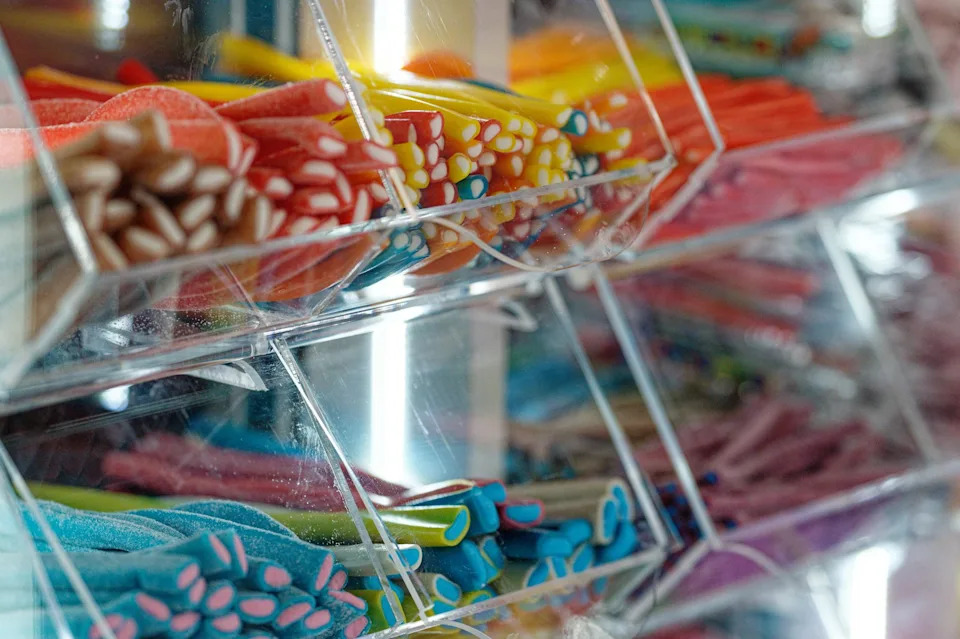
Cutting junk food dramatically reduces depression symptoms, according to a small US study. Could what you eat be shaping how you feel? Henning Kaiser/dpa
"Further studies are needed to separate how macronutrients, calories and the many ingredients and contaminants in processed foods might affect mood," the researchers wrote.
Nyasha Chagwedera of UCSF highlighted that ultra-processed snacks are convenient, often cheaper and engineered to stimulate dopamine — a neurotransmitter linked to pleasure and reward. She suggested that such foods "may harm your gut in ways that ripple up to your brain," pointing to the gut–brain axis as a possible pathway for diet to influence mood.
Context And Related Research
The UCSF findings add to a growing body of evidence connecting diet, gut health and mental wellbeing. Recent studies from teams in Vienna and Singapore have reported links between diet and stress or mood, and research at the University of Southern California provided evidence that the vagus nerve carries signals from the gut to brain regions important for memory and emotion.
Limitations And Next Steps
Because the trial was small and uncontrolled, its results are preliminary. Researchers and commentators caution against inferring causation from this study alone. The authors are calling for larger randomized controlled trials that can control for calories, macronutrient changes and other confounders, and that can test whether processing-related chemicals or additives have independent effects on mood.
Bottom Line: This small UCSF trial suggests that cutting ultra-processed foods may be associated with improvements in depression symptoms, but larger, better-controlled studies are needed to confirm the effect and identify the underlying mechanisms.
Help us improve.