The largest pooled review to date, covering over 50 studies and almost 9 million adults, links higher consumption of ultraprocessed foods with increased risks of cardiovascular disease, diabetes, obesity, mental-health disorders and digestive conditions. Each extra 100 g/day was associated with about a 4% higher cancer risk and a 3% higher all-cause mortality risk. Researchers note possible mechanisms including inflammation, gut microbiome disruption and additive interactions, and recommend shifting toward more vegetables and minimally processed foods.
Eating More Ultraprocessed Foods Tied to Higher Risks of Disease and Death, Large Analysis Finds

The more you eat of these popular foods, the greater your risk of serious illness and even death, new report says
A major pooled analysis of more than 50 studies and nearly 9 million adults finds that diets high in ultraprocessed foods are associated with substantially higher risks of chronic illness and premature death.
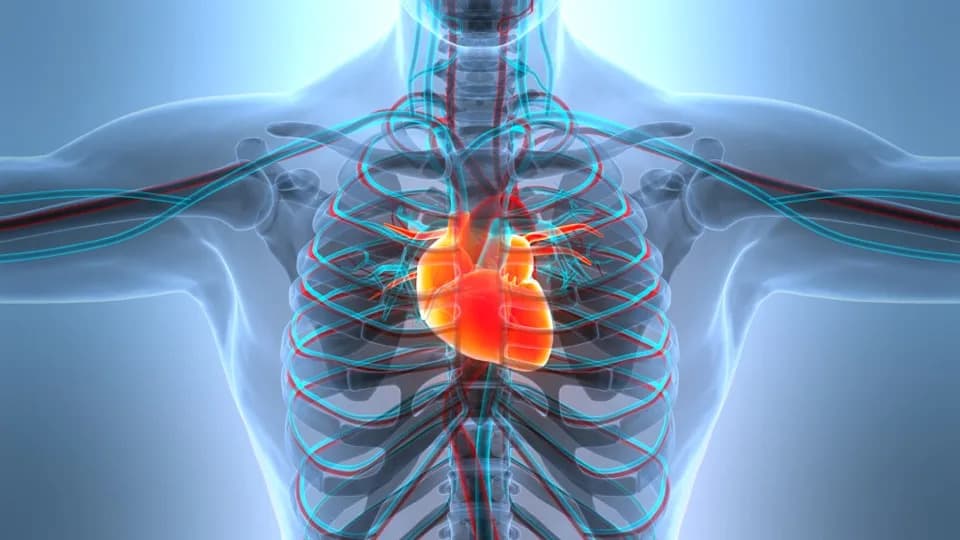
The review reported that a pattern of eating dominated by cookies, chips, cakes, pizza, hot dogs and other convenience products was linked with roughly a 25% greater risk of cardiovascular events, diabetes and obesity. Mental-health conditions such as depression and anxiety were about 27% more likely, while digestive diseases were 31% more frequent among people who ate more ultraprocessed items.

Former Miami Mayor Francis Suarez eats a deep-fried Oreo cookie at the Iowa State Fair in 2023. A more ultraprocessed diet raises the risk of chronic illness and death, a new analysis of dozens of studies reveals (Getty Images)
Researchers estimated that each additional 100 grams per day of ultraprocessed foods corresponded to an approximately 4% higher risk of being diagnosed with cancer and about a 3% greater risk of death from any cause.
What Might Be Driving the Risk?
Investigators highlighted several possible mechanisms: ultraprocessed foods can disrupt the gut microbiome, promote inflammation linked to cancer and insulin resistance, and contain compounds formed during processing that are associated with cardiovascular disease. They also warned of a potential 'cocktail effect' in which combinations of additives may interact to create greater harm than single substances alone.

Some 60 percent of the American diet is ultraprocessed, including foods such as pizza and cookies (Getty/iStock)
Dr. Xiao Liu, the study's lead author and a physician at Sun Yat-Sen Memorial Hospital, told ABC News that 'we should eat more vegetables and reduce ultraprocessed food to make us healthier.'
Study Strengths and Limitations
The analysis pooled results from dozens of observational studies covering a very large population, strengthening the overall evidence. However, most individual studies measured intake using food frequency questionnaires or diet journals, so estimates depend on self-report and are subject to measurement error and residual confounding. Observational data cannot prove causation, though consistent associations across many studies increase concern.
Practical Takeaways
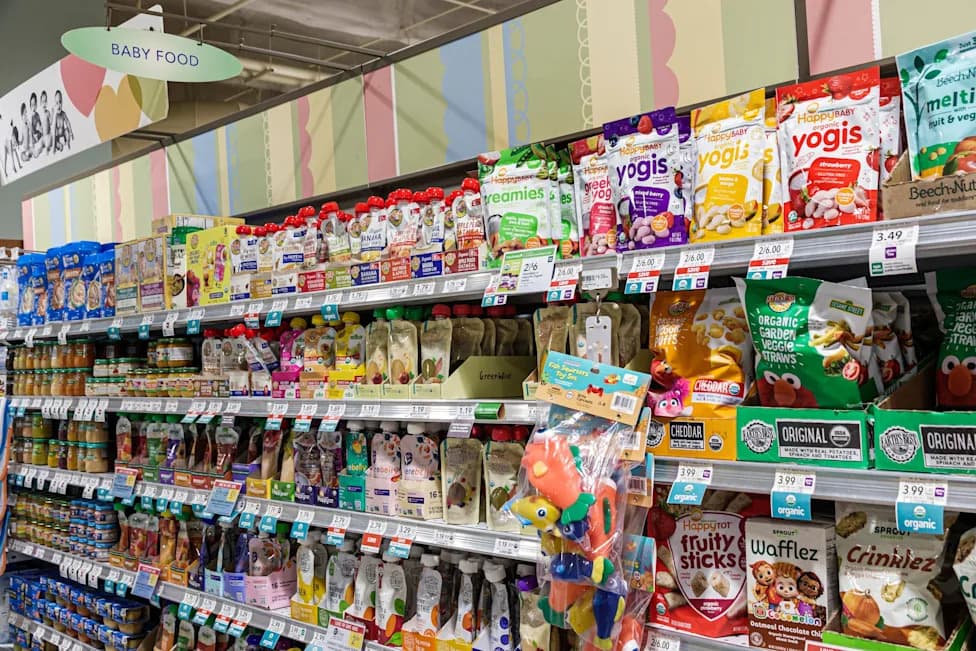
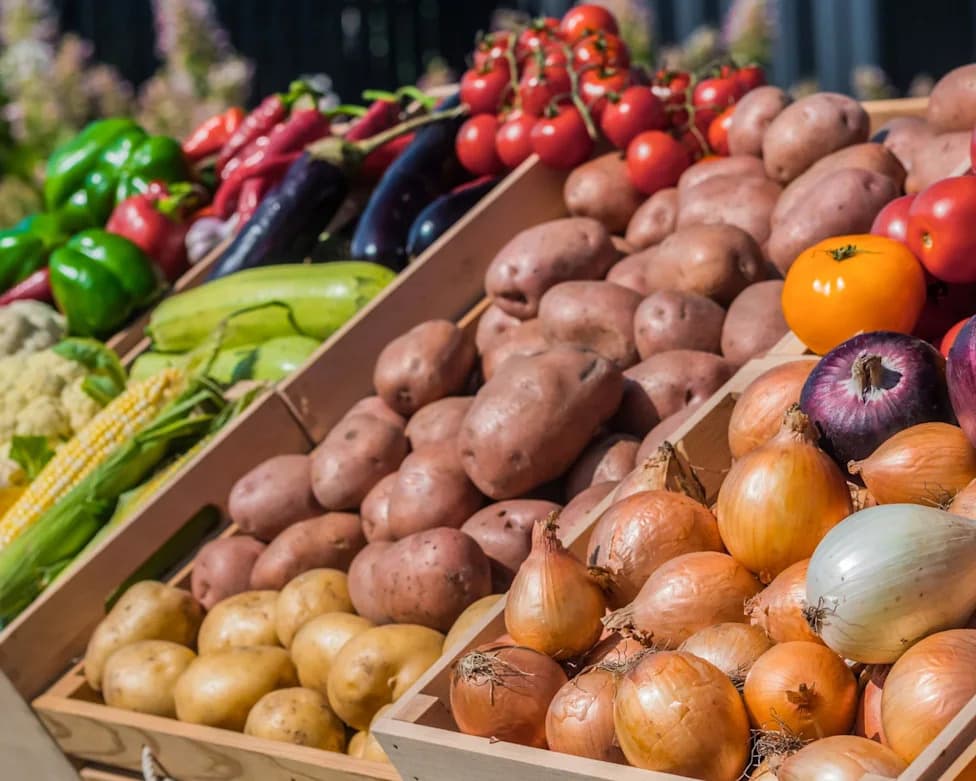
Stanford Medicine estimates that roughly 60% of the average American diet is ultraprocessed, and these items are often cheaper and more convenient than whole-food alternatives. Ultraprocessed products tend to be high in sodium, added sugars and refined grains and contain industrial additives to enhance texture and flavor. Not all packaged foods are equal — some options, like certain plain yogurts or hummus, can be healthier choices — but reducing intake of highly processed snacks and convenience meals in favor of vegetables, whole grains, legumes and minimally processed foods may help lower long-term health risks.
Bottom line: The totality of evidence from this large pooled analysis supports public-health efforts to limit ultraprocessed food consumption and promote diets rich in whole foods.
Help us improve.