A comprehensive review of more than 50 studies covering nearly 9 million adults finds that diets high in ultra-processed foods are linked to higher rates of chronic disease and death. The analysis reports almost a 25% greater risk of cardiovascular events, diabetes and obesity, a 27% increase in depression and anxiety, and a 31% rise in digestive disorders. Each extra 100 g/day of ultra-processed foods was associated with a 4% higher cancer risk and 3% higher overall mortality. Authors point to gut effects, inflammation, processing byproducts and additive mixtures as plausible mechanisms but note the study relies on self-reported diets.
Large Analysis Finds Ultra-Processed Foods Linked To Higher Risks Of Disease And Death

New report reveals serious — even fatal — risks linked to ultra-processed foods
A major new analysis of more than 50 studies, covering nearly 9 million adults, finds that diets high in ultra-processed foods are associated with substantially higher rates of chronic disease and premature death. The review pooled evidence from diverse cohorts and reports consistent links between ultra-processed food intake and multiple adverse health outcomes.
Key Findings
The pooled results indicate that diets heavy in items such as cookies, chips, cakes, pizza, hot dogs and other highly processed convenience foods were associated with nearly a 25% higher risk of cardiovascular events, diabetes and obesity. The analysis also found a 27% greater risk of depression and anxiety and a 31% higher risk of digestive disorders for people consuming more ultra-processed foods.

Former Miami Mayor Francis Suarez eats a deep-fried Oreo cookie at the Iowa State Fair in 2023. A more ultraprocessed diet raises the risk of chronic illness and death, a new analysis of dozens of studies reveals (Getty Images)
Researchers estimated that every additional 100 grams per day of ultra-processed foods corresponded to an approximately 4% increase in cancer risk and a 3% increase in overall mortality.
"In our modern society, our diet and food is maybe not safe … we should eat more vegetables and reduce the ultra-processed food to make us healthier," said Dr. Xiao Liu, the study's lead author and a physician at Sun Yat-Sen Memorial Hospital, in an interview.
Possible Mechanisms
The authors and related research point to several plausible biological pathways: ultra-processed foods can alter the gut microbiome, promote chronic inflammation linked to cancer, and contribute to insulin resistance that leads to diabetes. Compounds formed during intensive processing and a mix of additives may also increase cardiovascular risk. The study authors warn of a potential "cocktail effect" in which combinations of additives and industrial ingredients have stronger, potentially toxic impacts than individual components alone.

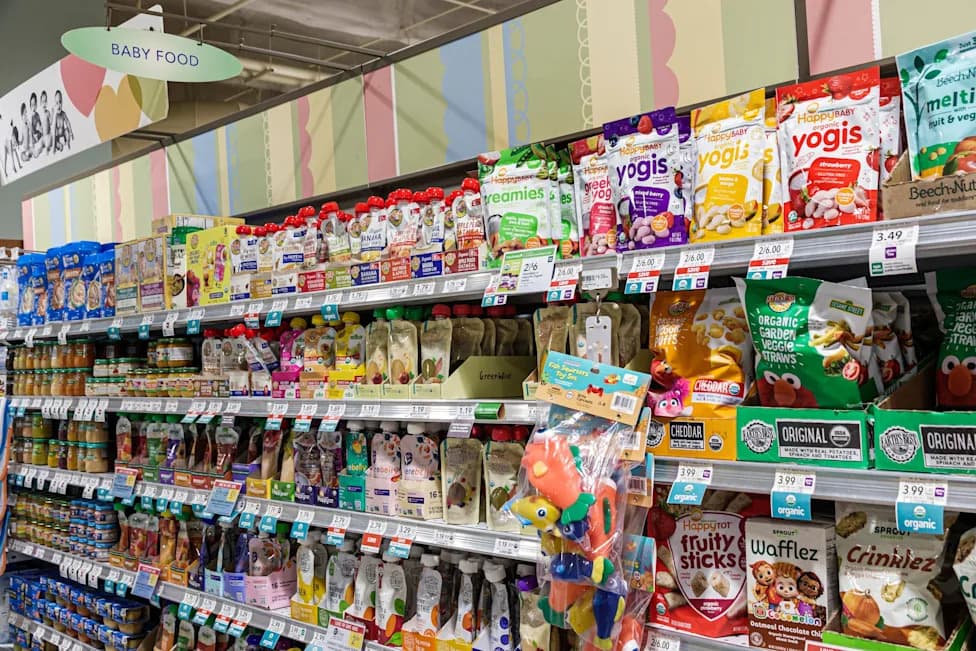
Some 60 percent of the American diet is ultraprocessed, including foods such as pizza and cookies (Getty/iStock)
Context And Caveats
The analysis relies mainly on self-reported food diaries and questionnaires, which introduce measurement limitations. While the classification of "ultra-processed" covers many unhealthy options, it can also include some processed items that are relatively better choices (for example, some commercially prepared yogurts or hummus). The authors and complementary research from Tufts University note that risks associated with ultra-processed foods persist even after adjusting for traditional measures of nutritional quality, suggesting factors beyond calories and macronutrients may be important.
Practical Takeaways
Stanford Medicine estimates that roughly 60% of the average American diet is now made up of ultra-processed products, which are often cheaper and more convenient than whole foods. Public-health experts recommend increasing intake of vegetables, whole grains, legumes and minimally processed foods and reducing the share of highly processed convenience products to lower chronic disease risk.
Bottom line: The growing body of evidence suggests shifting toward less processed foods could lower risks for cardiovascular disease, metabolic disorders, mental-health conditions, digestive problems, cancer, and early death.
"The findings suggest ultra-processed-food factors beyond nutrients — such as changes to foods' cellular structure, loss of beneficial chemical compounds, additives and chemicals from packaging — may create health risks not addressed by traditional nutrition metrics or policies," said Dariush Mozaffarian, cardiologist and director of Tufts University's Food Is Medicine Institute.
Help us improve.