The study by Hebrew University and Sheba Medical Center found that 115 participants experienced smaller post-meal glucose spikes and faster recovery when eating with another person versus eating alone. Researchers emphasize that social dining can complement—but not replace—healthy diet and medication. Broader research links strong social ties to better mental and physical health, while growing loneliness has been flagged as a public-health concern.
Eating Together May Lower Blood Sugar — Study Finds Social Meals Reduce Glucose Spikes

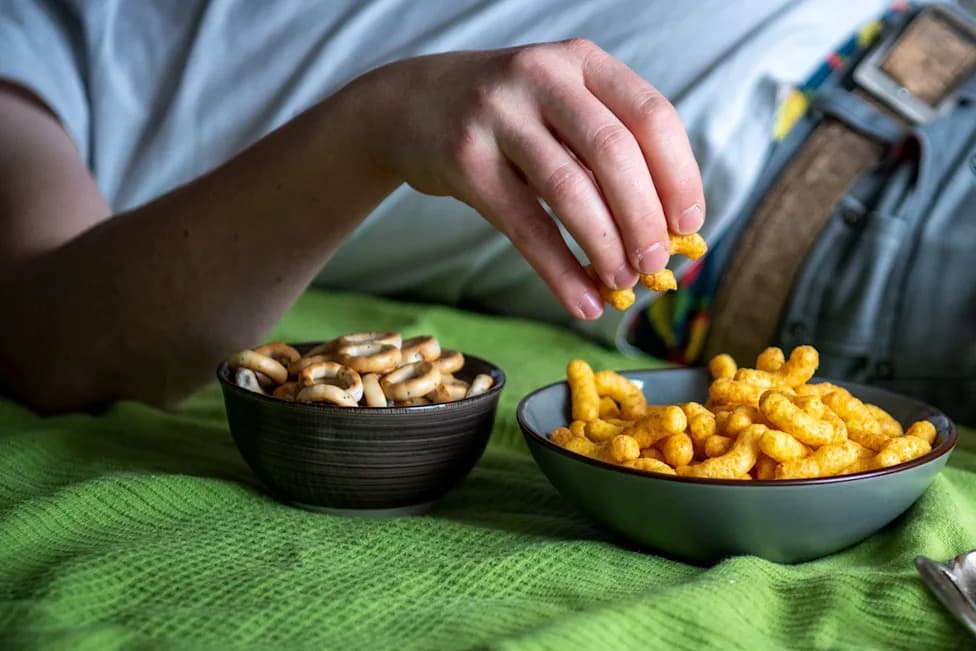
Tests show that shared meals cause smaller glucose spikes and quicker recovery than eating alone. Zacharie Scheurer/dpa
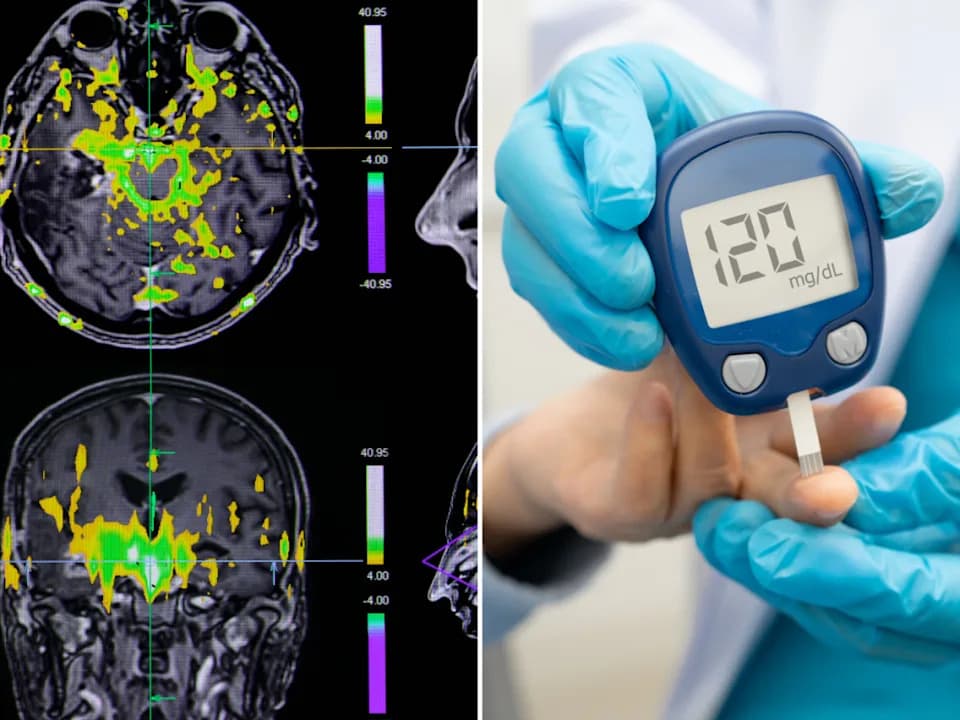
New research suggests that who you eat with can affect how your body handles glucose. In tests involving 115 volunteers, medical teams from the Hebrew University of Jerusalem and Sheba Medical Center in Ramat Gan found that shared meals produced smaller post-meal blood sugar spikes and faster glucose recovery compared with identical meals eaten alone.
Study findings and expert comment
The researchers reported that participants showed "smaller glucose spikes and quicker glucose recovery" when dining with another person. "Blood sugar regulation is not just about what we eat, but who we eat with," said Professor Shir Atzil of the Hebrew University of Jerusalem.
"Being close to someone you love lowers the physical energy your body spends on regulating itself — a direct metabolic benefit to being together," Atzil said.
Context and caveats
The team cautioned that social dining is an adjunct to — not a replacement for — a balanced diet, exercise, or prescribed diabetes medication. While the metabolic effect of shared meals is measurable, established medical treatments and lifestyle changes remain essential for people managing diabetes or other metabolic conditions.
Bigger picture: social ties and health
In a paper published in Science Advances in September, the researchers placed their findings within a wider body of evidence linking strong social bonds to better health, greater well-being, and increased longevity. Prior studies have associated close relationships with higher productivity and greater reported happiness, while low social connectedness has been linked to slower wound healing, poorer sleep, and higher risks of cardiovascular disease and some cancers.
Separate research published in Scientific Reports in April — drawing on two decades of survey data from teams at the University of Oxford, the University of London, Harvard University and polling firm Gallup — found that people who share at least one meal with others report lower levels of stress, pain and sadness on that day.
Public-health leaders have also warned about the broader harms of social isolation. In 2023, then-US Surgeon General Vivek Murthy described a growing "loneliness epidemic" that may be contributing to higher rates of heart disease, dementia, stroke and depression.
Takeaway
Sharing meals may offer a modest but meaningful metabolic benefit in addition to emotional support. For people managing blood sugar, combining social connection with proven dietary, physical activity and medical strategies could improve both mental and physical wellbeing.
Help us improve.