ISO and UNDP have launched ISO/UNDP 53001, the first international standard to help organisations embed the Sustainable Development Goals into strategy, governance and operations. The requirements-based framework helps organisations identify priorities, set measurable objectives and monitor performance while working alongside ISO 9001 and ISO 14001. Developed under the leadership of Danish Standards with global expert input, the standard aims to give businesses and investors a common method to turn sustainability commitments into measurable action. It was launched at the ISO Annual Meeting in Paris (28 Sept–2 Oct 2026) and will undergo regular review.
ISO/UNDP 53001: First Global Standard to Embed the SDGs into Organisations
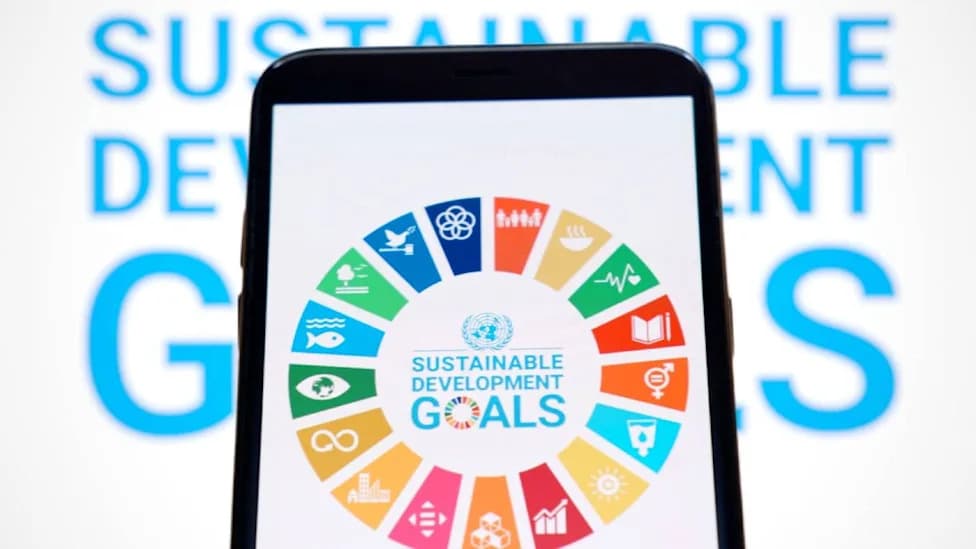
ISO/UNDP 53001 helps organisations embed SDGs in strategy and operations. Credit: Casimiro PT/Shutterstock.com.
ISO and the United Nations Development Programme (UNDP) have published ISO/UNDP 53001, the first internationally recognised standard designed to help organisations systematically embed the Sustainable Development Goals (SDGs) into strategy, governance and day-to-day operations.
What the Standard Does
ISO/UNDP 53001 provides a requirements-based framework and practical tools to help organisations identify sustainability priorities, set measurable objectives, integrate those objectives into existing processes and monitor performance over time. The standard is intended to increase accountability and give stakeholders greater confidence in organisations' sustainability commitments by enabling consistent, verifiable action.
Who Should Use It
The framework is suitable for a wide range of organisations, including businesses, governments, educational institutions, civil society organisations and other entities. Users can prioritise the SDGs most relevant to their mission, operating context and stakeholders.
Compatibility and Benefits
ISO/UNDP 53001 is designed to work alongside existing management-system standards such as ISO 9001 (quality management) and ISO 14001 (environmental management). Aligning with established standards can reduce duplication, promote consistent risk management and make it easier for organisations to integrate SDG-related actions into existing governance and operational systems.
Development and Governance
The technical committee developing the standard was led by Danish Standards and included experts from multiple sectors and regions. Jens Heiede, Chief Executive of Danish Standards, highlighted the broad collaboration:
"Creating a standard that could be applied by organisations of every size, sector and geography required extensive collaboration between experts from around the world. Together, we developed a practical and internationally agreed set of requirements that organizations can apply with confidence," Heiede said.
Statements From ISO and UNDP
"The SDGs have provided a shared global vision for a decade. Today, organizations are looking for concrete ways to translate that vision into action," said ISO Secretary-General Sergio Mujica. "International standards have long helped organisations address complex global challenges by providing a common language and a shared framework for action. We are delighted to launch ISO/UNDP 53001 today, extending this proven approach to the SDGs and helping organisations create positive impact for people and planet."
UN Assistant Secretary-General and Director of UNDP's Bureau for Policy and Programme Support, Marcos Neto, added: "The SDGs provide a shared blueprint for a more inclusive and prosperous future. Achieving that requires organizations everywhere to turn ambition into action. We are proud to launch ISO/UNDP 53001 alongside ISO as a crucial tool to help organizations embed the SDGs into the way they operate, lead and govern. By making sustainability part of everyday decision-making, the standard can help accelerate progress towards the 2030 Agenda."
Implementation and Future Review
ISO and UNDP plan to support implementation by working with multilateral partners and producing sector-specific guidance tailored to different industries and markets. As with other ISO International Standards, ISO/UNDP 53001 will be subject to regular systematic review to remain relevant to the current SDGs and any goals that may succeed the 2030 Agenda.
The standard's launch was announced during the ISO Annual Meeting hosted by AFNOR in Paris from 28 September to 2 October 2026.
Original reporting: Just Style, a GlobalData-owned brand.
Help us improve.