The EU’s Empowering Consumers for the Green Transition Directive (EmpCo) is now in force, banning vague sustainability claims and curbing offset- or self-declaration-based statements. While EmpCo lacks mandatory third-party verification and a standard life-cycle test from earlier proposals, it amends unfair trading rules to outlaw common misleading tactics and applies an "average consumer" standard to brand names and visuals. The directive may reduce greenwashing but could also prompt "greenhushing," so brands should make narrowly defined, evidence-backed claims and adopt recognized ecolabels.
EU Cracks Down on Fashion 'Greenwashing' — New Directive Tightens Rules on Vague Sustainability Claims
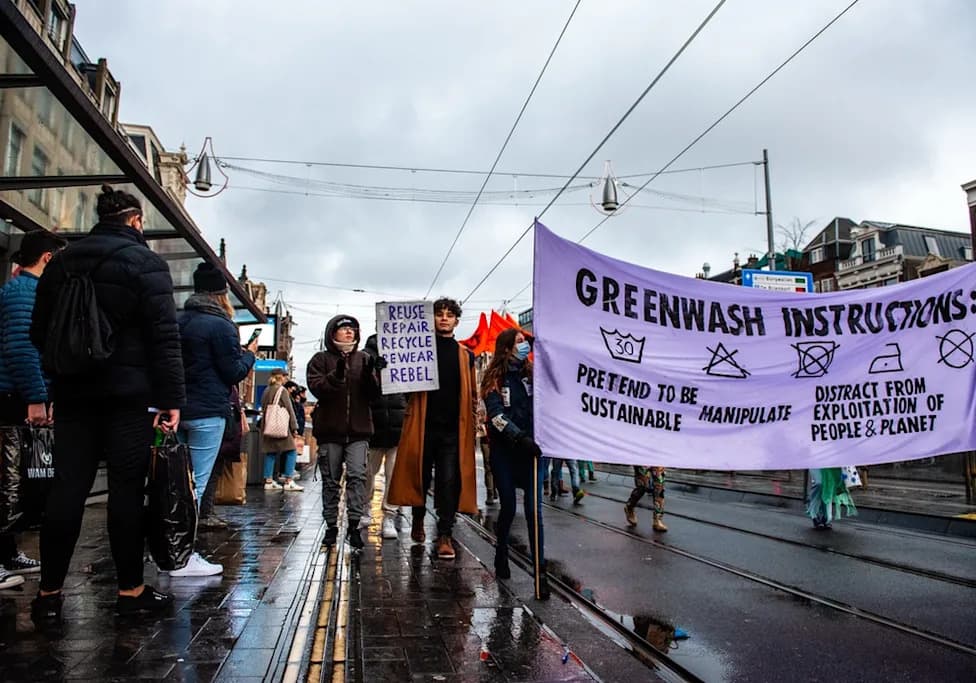
EU’s New Greenwashing Rules Put Fashion’s Sustainability Claims in Crosshairs
The European Union’s Empowering Consumers for the Green Transition Directive (EmpCo) took effect across the bloc this week, imposing tougher limits on vague environmental claims such as "eco-friendly" and "sustainable" and curbing claims that rely on carbon offsets or self-declared sustainability logos.
What EmpCo Does — And What It Doesn’t
EmpCo amends the Unfair Commercial Practices Directive to blacklist specific misleading marketing techniques and applies an "average consumer" test: any message that an ordinary consumer would interpret as an environmental claim — including brand names and visuals — may be treated as a claim that requires substantiation.
However, EmpCo stops short of the earlier Green Claims proposal: it does not impose mandatory third-party verification, a pre-approval process for claims, or a standardized life-cycle assessment methodology that would make direct product-to-product comparisons routine.
Why This Matters For Fashion
The directive aims to simplify enforcement by making formerly common, ambiguous claims off-limits — for example, generic statements about "recycled" content that have been used in misleading ways. Nusa Urbancic, CEO of the Changing Markets Foundation, notes that brands sometimes advertise recycled content that applies only to a small component of a product rather than the whole item.
"Our research showed that brands use these claims in misleading ways, for example claiming that the coat was made from recycled polyester, when in fact it was only the lining," Urbancic said.
EmpCo’s impact is amplified by other EU actions and market realities: a recent EU testing campaign found fiber-composition labels were inaccurate on 37% of clothing items sold in European markets, underscoring the need for clearer, verifiable product information.
Enforcement Examples
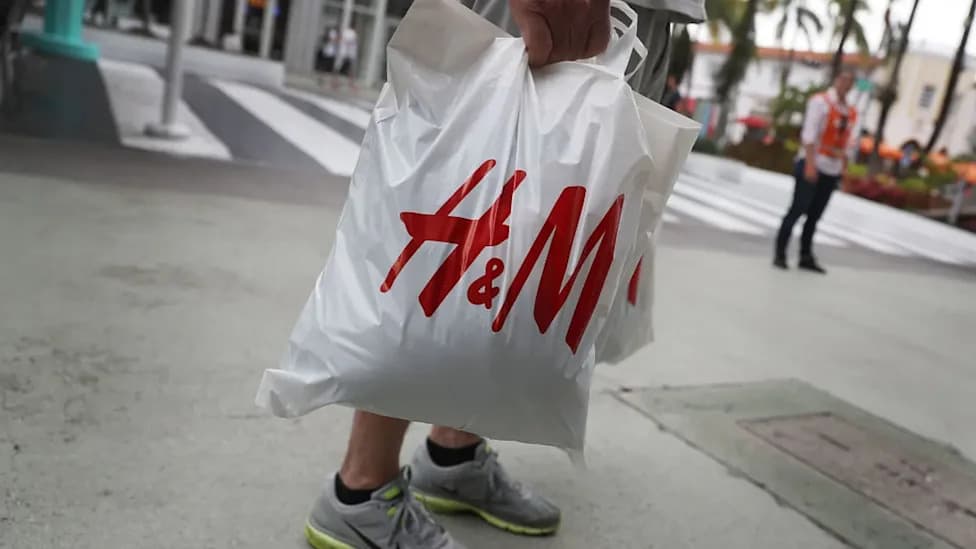
Precedents already show how regulators are interpreting these rules: in 2021, France’s Jury de Déontologie Publicitaire ruled an Adidas ad misled consumers by implying a Stan Smith sneaker was "50% recycled" when only the upper contained recycled material. In 2022, Decathlon and H&M withdrew their vague "Ecodesign" and "Conscious" labels after a warning from Dutch authorities. More recently, the UK Advertising Standards Authority banned paid Google ads from Adidas, Calvin Klein and Uniqlo for unsubstantiated "recycled" and "organic" claims.
Risks: Greenwashing — And Greenhushing
Experts warn the directive could both reduce misleading marketing and accelerate "greenhushing," where brands mute sustainability communications to avoid regulatory scrutiny. Ruth MacGilp of Action Speaks Louder says communications have already grown quieter, with fewer consumer-facing claims and less detail in impact reports. While reduced misinformation can be positive, MacGilp stresses that public disclosure of legitimate sustainability efforts is essential for accountability and civic oversight.
What Brands Should Do
Industry advisers recommend practical steps for compliance and credibility:
- Make specific, data-backed claims and clarify which product components they apply to.
- Remove vague or comparative language such as "more sustainable" unless supported by evidence.
- Adopt recognized ecolabels and certification schemes likely to be accepted by regulators (e.g., Germany’s Blue Angel, the EU Ecolabel).
- Use digital tools and AI to audit communications, flag inconsistencies, and correct or remove problematic claims.
What’s Next: ESPR And Wider Product Rules
The Ecodesign for Sustainable Products Regulation (ESPR) could be the next major step: unlike EmpCo, which governs what companies can say, ESPR may set product-level requirements and eco-modulated fees, potentially covering issues like microplastic pollution. The European Commission is expected to publish implementation measures next year.
Clear rules can level the playing field between sustainability leaders and laggards — but the test will be whether companies use the new framework to increase transparency and credibility or retreat from public disclosure. For now, the directive raises the bar for proof and forces brands to be more precise about environmental claims.
Practical Checklist: Review all marketing and product information for vague claims; substantiate any environmental statements with data; specify which part of the product the claim applies to; adopt reputable ecolabels; and use audits (including AI-assisted reviews) to find and fix inconsistencies.
Help us improve.