UK ASA rulings against several travel advertisers and a new EU directive (Directive (EU) 2024/825) raise the bar for environmental claims in travel advertising. From Sept. 27, 2026, generic terms like "eco" or "green" must be supported by recognised, verifiable evidence and clear qualifications. Hotels should audit all consumer-facing materials, ensure sustainability labels are certified, and avoid relying solely on offsetting for carbon-neutral claims.
Europe Tightens Rules on ‘Green’ Hotel Claims — New EU Directive Takes Effect Sept. 27, 2026

"Green" hotel - Photo credit: Unsplash+ License
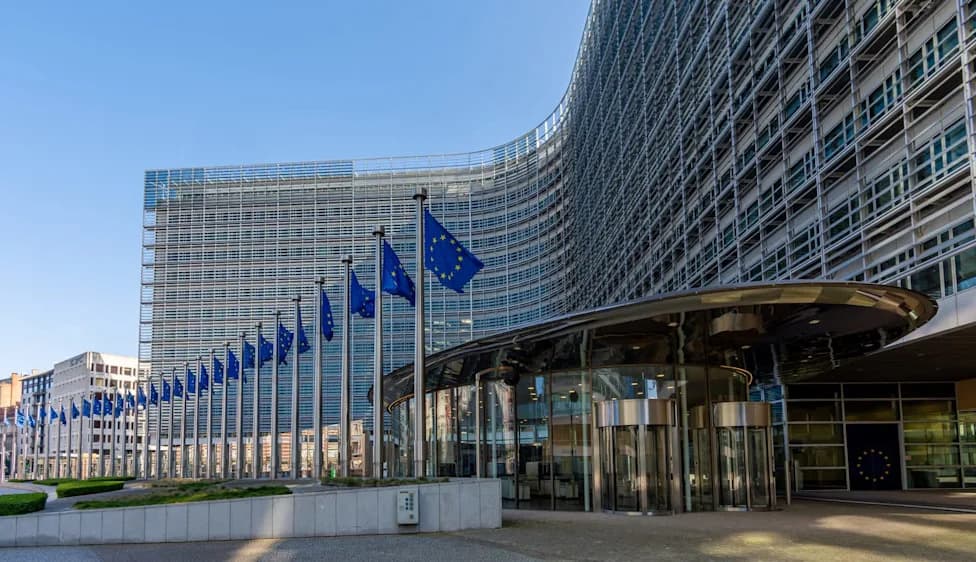
Hotels can no longer rely on vague labels such as “eco,” “green” or “sustainable” without clear evidence. Regulators across the UK and EU are sharpening scrutiny of environmental claims, and a new EU directive coming into force on Sept. 27, 2026, raises the bar for what companies must prove and disclose.
What Happened: UK ASA Rulings
On Sept. 9 the UK Advertising Standards Authority (ASA) published rulings against travel advertisers including Thomas Cook, loveholidays and DialAFlight for using phrases such as "eco resort," "eco hotel" and "eco-conscious resort" without explanation or substantiation. The ASA concluded consumers were likely to interpret those phrases as claims of environmental benefit, and found the adverts misleading even where companies said the wording came from supplier names or was auto-generated by ad tools.
The New EU Rules (Directive (EU) 2024/825)
The Empowering Consumers for the Green Transition Directive (Directive (EU) 2024/825), adopted in 2024, formally enters into application on Sept. 27, 2026. Key provisions include:
- Generic environmental claims such as "environmentally friendly," "eco-friendly," "green," "climate friendly" and "carbon friendly" can be banned unless businesses can demonstrate recognised, excellent environmental performance directly relevant to the claim.
- Qualifications and limitations must be presented clearly and prominently, not hidden in fine print.
- Private sustainability labels generally must be based on qualifying certification schemes.
- Claims that a stay has a neutral, reduced, or positive greenhouse-gas impact cannot rely solely on carbon offsetting.
Enforcement and Penalties
The ASA rulings did not impose fines, but the UK’s consumer-protection framework allows authorities such as the Competition and Markets Authority to seek penalties of up to 10% of global turnover for breaches of consumer law. Across the EU, national authorities will enforce the directive; for major cross-border infringements, EU rules allow fines of at least 4% of annual turnover in the member states concerned.
Why This Matters for Hotels
Simple product names or auto-generated ad copy that include words like "eco" or "green" can now be treated as environmental claims. Hotels must be able to substantiate any claim with measurable, verifiable evidence and present any qualifications prominently.
Practical Checklist for Hotel Operators
To comply and reduce risk, hotels should:
- Audit all consumer-facing channels: websites, booking engines, paid search, social media, OTA listings and third-party ads.
- Review sustainability pages, badges and supplier names; remove or qualify vague claims where evidence is lacking.
- Ensure private labels or badges are backed by qualifying certification schemes and clearly explain scope and standards.
- Avoid claiming carbon neutrality based only on offsets; provide transparent metrics and verified reductions where possible.
- Document evidence for any environmental claim and present qualifications prominently in advertising copy.
Bottom Line
From Sept. 27, 2026, "green" will no longer be a convenient marketing shortcut in Europe. Hotels and travel advertisers must treat environmental wording as regulated claims and be prepared to demonstrate and display credible, verifiable evidence.
Help us improve.