U.S. District Judge Kathleen Williams denied a request to stay sanctions she imposed after finding former President Donald Trump and his attorneys pursued a "non-adversarial, collusive" lawsuit against the IRS. In an 18-page order, Williams rejected arguments for a stay, imposed non-monetary sanctions on two lawyers, allowed amici curiae to seek fee reimbursement, and barred references to the alleged settlement. The case and the sanctions are now under review by the 11th U.S. Circuit Court of Appeals.
Judge Denies Stay Of Sanctions In Trump IRS Case, Calls Lawsuit 'Collusive' And Legally Consequential

President Donald Trump speaks at a campaign rally for Sen. Darline Graham, R-S.C., at the Myrtle Beach Convention Center in Myrtle Beach, S.C., Friday, Aug. 21, 2026. (AP Photo/Jacquelyn Martin).
U.S. District Judge Kathleen Williams of the Southern District of Florida refused to pause sanctions she imposed after finding former President Donald Trump and his lawyers pursued a "non-adversarial, collusive" lawsuit against the Internal Revenue Service. In an 18-page order, Judge Williams rejected each argument for a stay and emphasized that her sanctions order—though not yet final—carries binding legal consequences and will remain in place as the case moves to the 11th U.S. Circuit Court of Appeals.
Court's Findings and Rationale
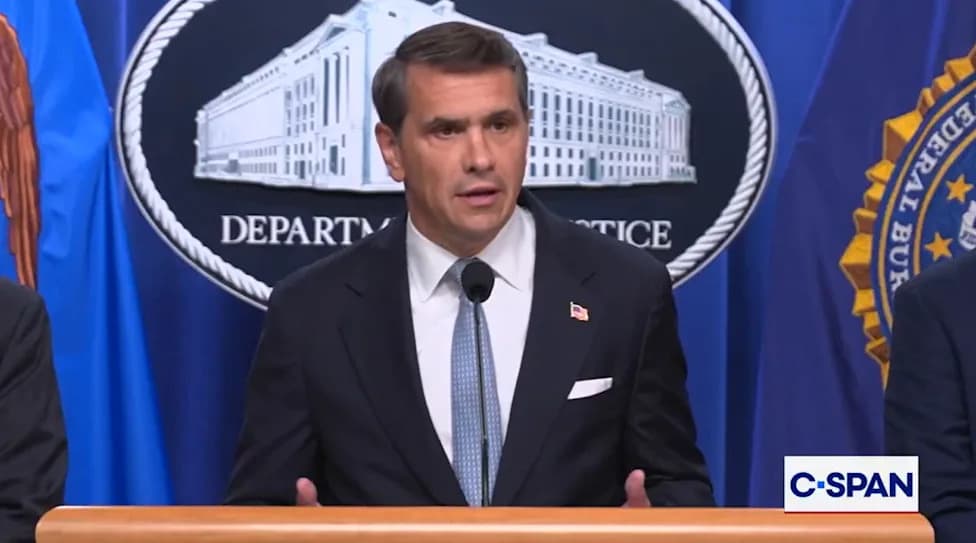
Williams said the motion to stay "does not demonstrate the requisite likelihood of success or irreparable harm to grant such extraordinary relief." She reiterated her earlier finding that there was effectively no adverseness between the parties and noted that nothing material has changed since that ruling other than the Department of Justice and Acting Deputy Attorney General R. Trent McCotter filing a notice of appeal.
"The Motion to Stay does not demonstrate the requisite likelihood of success or irreparable harm... Nor does the Motion to Stay undermine the Court's conclusion and detailed findings set forth in the Sanctions Order as to the Parties' lack of adverseness and their bad faith." — Judge Kathleen Williams
Sanctions, Fees, and Amici Curiae
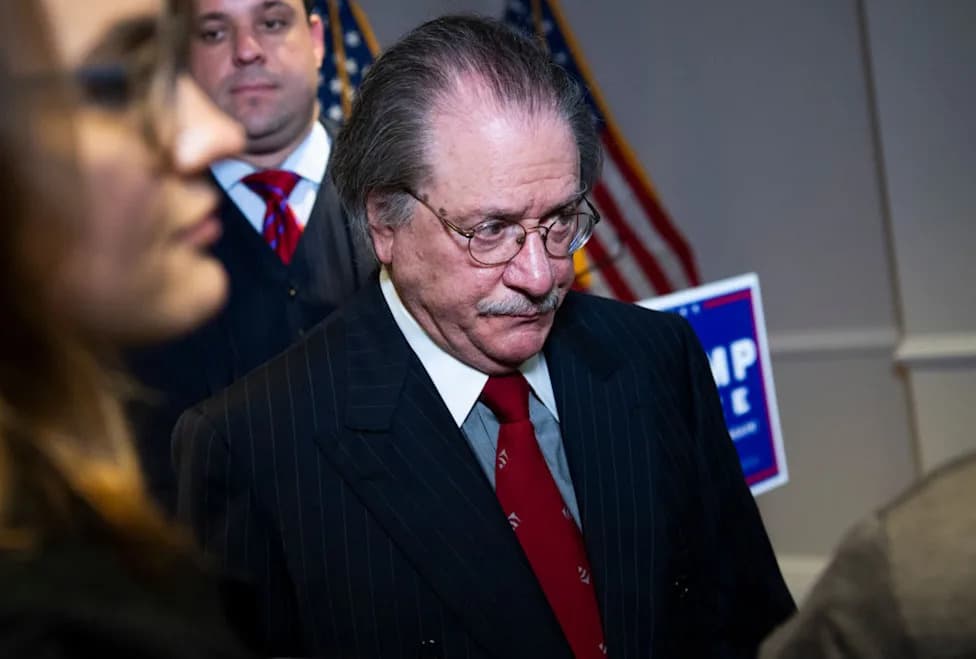
Williams imposed non-monetary sanctions against two Trump attorneys: Alejandro Brito was referred to the Florida Bar, and Daniel Epstein, a former White House lawyer, was denied pro hac vice admission in the Southern District of Florida for one year (or until further order). She also allowed amici curiae—35 former federal judges and former IRS and Treasury officials who intervened—to seek reimbursement for attorneys' fees related to their participation.
The amici have sought modest fee awards: $4,610.83 from the former judges and $39,000 from former IRS officials. Williams has not yet issued a final determination on those fee requests, which is one reason she described the sanctions order as non-final and left fee proceedings to be resolved.
Settlement, Anti-Weaponization Fund, And Public Interest
Judge Williams flagged that the litigation took place amid the announcement of a $1.776 billion "anti-weaponization" fund and an accompanying settlement that appeared to shield the president and his family from past tax probes. Williams barred the parties from referring to the purported "settlement agreement," finding the court was empowered to sanction improper references and that a stay would do "more harm to the public than good" by undermining confidence in the judiciary's ability to impose binding legal consequences.
Next Steps
The matter is now pending before the 11th U.S. Circuit Court of Appeals. The appeals court will consider both the district court's sanctions findings and the requests to halt enforcement pending appeal. For now, the sanctions regime and the prohibition on references to the settlement remain intact subject to appellate review.
Why it matters: The ruling underscores the court's willingness to police potential collusion that manipulates the judicial process, protect the integrity of litigation, and safeguard public confidence in the judiciary—even when the immediate sanctions order remains subject to additional fee proceedings and appellate review.
Help us improve.