Angela Lipps, a 50-year-old Tennessee grandmother, spent about five and a half months jailed after a Clearview AI facial-recognition hit prompted an arrest warrant from Fargo, ND. West Fargo police concluded the AI result alone was insufficient and declined to charge her, but a Fargo detective pursued the warrant. Charges were dismissed after bank records showed Lipps was in Tennessee; she was released on December 24, 2025, and now seeks $10 million, arguing police failures — not AI by itself — caused her wrongful imprisonment.
AI Match Sparked Arrest — Police Failures Kept Tennessee Grandmother in Jail for Months
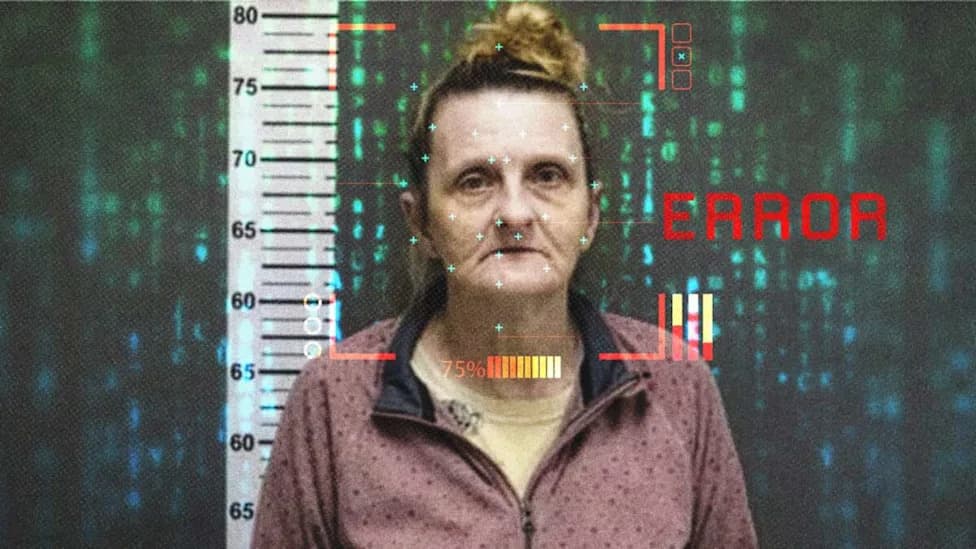
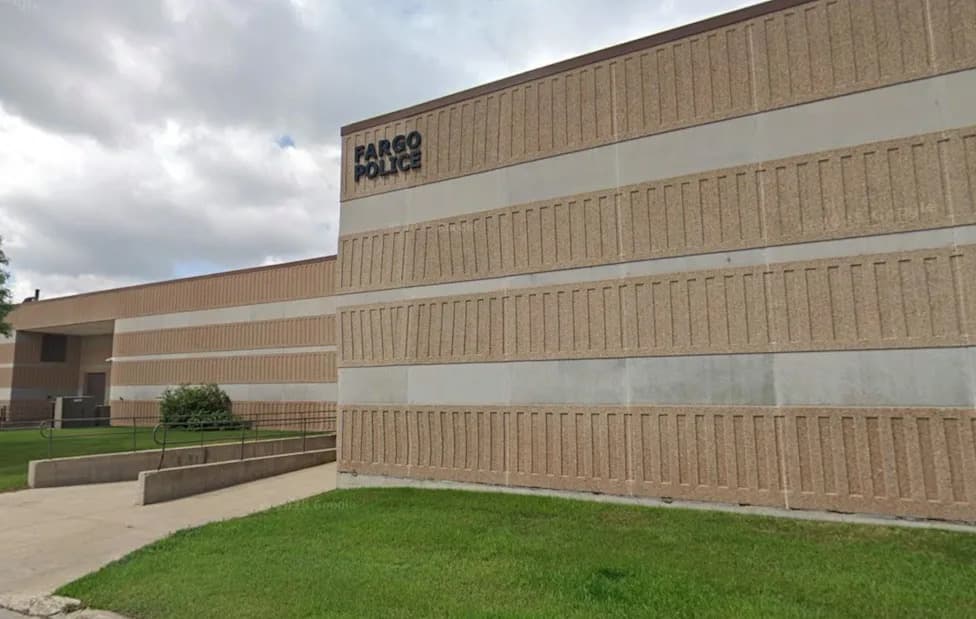
Illustration: Fargo Police Department/Photojogtom/Dreamstime
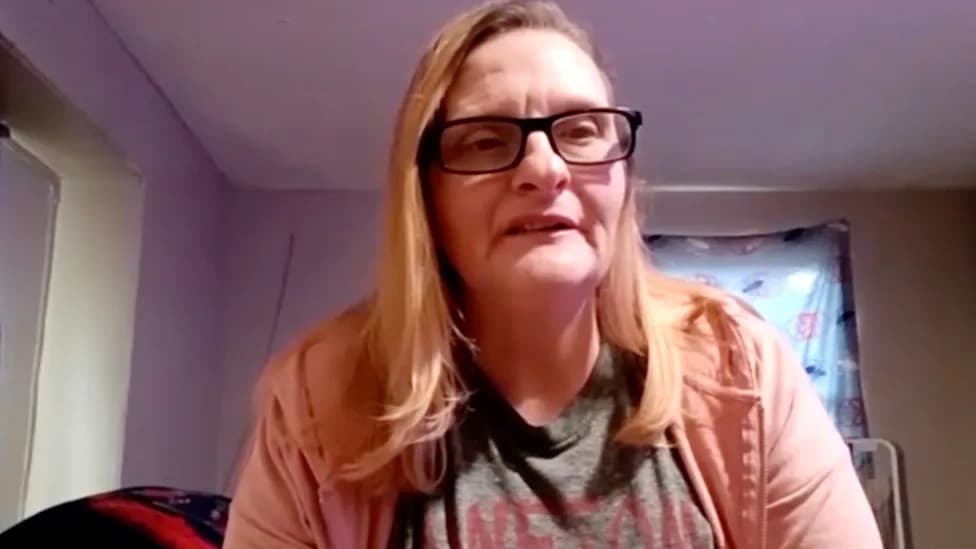
Angela Lipps, a 50-year-old grandmother from Tennessee, is suing the City of Fargo and a Fargo detective for $10 million after spending roughly five and a half months jailed following a facial-recognition lead tied to a bank-fraud probe.
The complaint, filed in federal court, traces the episode to July 14, 2025. Lipps was at a neighbor's house when about a dozen armed, plainclothes agents — later identified as members of the U.S. Marshals Smokey Mountain Fugitive Task Force — surrounded the home and ordered her out with her hands up. Lipps complied and was arrested on a warrant issued more than 1,200 miles away in Fargo, North Dakota.
Initial Lead From Facial Recognition
The lawsuit alleges the chain of events began when West Fargo police ran a suspect's counterfeit ID through Clearview AI's facial-recognition system and a social-media photo of Lipps surfaced as a potential lead. Clearview's guidance warns that matches are only leads and must be independently verified, the complaint notes.
Local Investigation Raised Doubts
According to the suit, West Fargo officers who reviewed the surveillance footage and the Clearview hit found significant differences: body build, facial features and tattoos did not match, and investigators found no financial links tying Lipps to the alleged bank thefts. Citing those discrepancies, West Fargo declined to pursue charges and concluded the facial-recognition result alone did not establish probable cause.
Fargo Detective Pursued Warrant
The complaint says Detective Lucas Heck of the Fargo Police Department ignored or misrepresented West Fargo's findings, omitted material exculpatory details and requested an arrest warrant based primarily on the Clearview lead. That arrest request, the suit contends, led to Lipps' remote arrest in Tennessee and her prolonged detention.
Months Detained, Serious Personal Harm
Lipps spent roughly five and a half months incarcerated. The complaint describes severe distress and hardship: she was held without essential medication and without dentures, which affected sleep and eating; she was flown to Cass County Jail in Fargo and given a $100,000 bond she could not afford; and she ultimately lost her home, car and personal belongings while detained. Bank records later showed Lipps was in Tennessee at the time of the alleged crimes, and all charges were dismissed. She was released on December 24, 2025.
"It's an officer not doing the legwork that is typically expected," Lipps' lawyer told WKRN. The lawsuit asserts that the real failure was not the technology itself but the lack of proper verification and police accountability.
Wider Implications
As debates over facial recognition and surveillance technology intensify, Lipps' case highlights a central concern: automated matches can be useful investigative leads, but without rigorous human verification and institutional checks they can produce devastating errors. The lawsuit seeks accountability and aims to underscore that tech reform must be paired with stronger police oversight to protect civil liberties.
What Lipps Seeks
Lipps is suing for $10 million, alleging malicious conduct and deliberate indifference to her rights by Detective Heck and the City of Fargo. The complaint seeks damages for the personal, financial and emotional harm she suffered during and after her wrongful detention.
Help us improve.