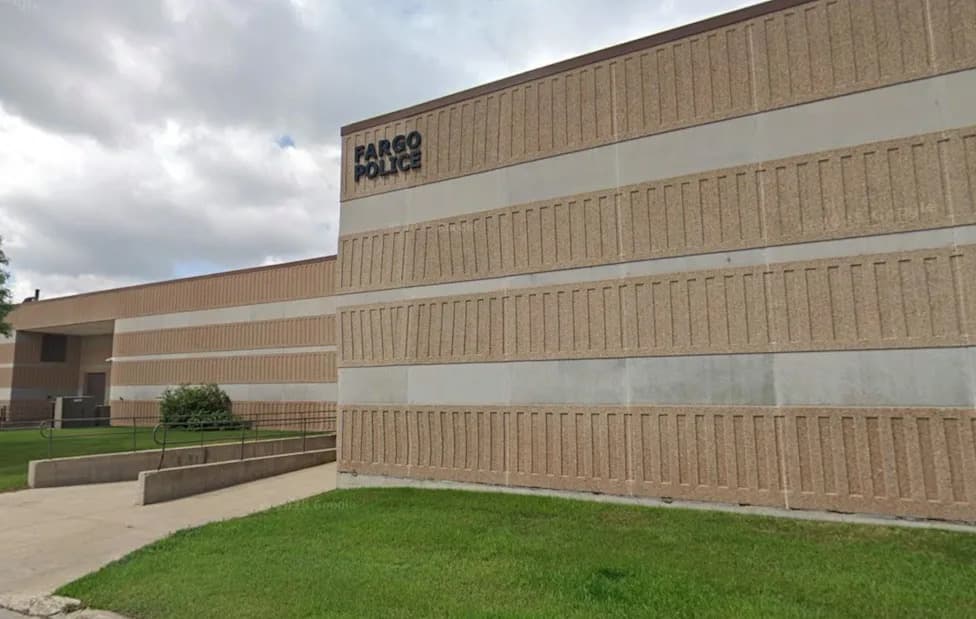
Angela Lipps, 50, is suing the City of Fargo and a Fargo detective for $10 million after an AI facial-recognition lead led to her armed arrest in July 2025, extradition and nearly six months behind bars. Her lawyers say bank records later proved she was in Tennessee when the alleged fraud occurred and the charges were dropped. The lawsuit alleges officers relied on a social-media match without adequate investigation and accuses Fargo police of lacking proper AI policies, training and supervision.
Tennessee Woman Sues for $10M After Six-Month Jail Ordeal Triggered by AI Facial-Recognition Match

Photo Credit: iStock
Angela Lipps, 50, has filed a federal lawsuit seeking $10 million after an AI-driven facial-recognition lead led to her armed arrest, extradition and roughly six months behind bars for crimes she says she did not commit.
According to court papers and reporting in The Guardian, Lipps was arrested in July 2025 at her Tennessee home by armed U.S. marshals while she was babysitting a neighbor’s children. Her attorneys say she spent nearly four months in a Tennessee jail without bail while awaiting extradition and was later flown to Fargo, North Dakota, at the end of October — her first-ever plane trip — despite never having visited the state.
The complaint alleges that investigators analyzed an image linked to a fake ID and ran it through facial-recognition software, which returned a social-media photo of Lipps as a possible match. Lipps maintains she does not resemble the person captured in surveillance footage and says police moved forward without adequate follow-up investigation.
"They knew that AI facial recognition technology should not be used as the sole basis to extradite and charge a person. Yet they ignored those issues and gave no care to the harm it would do to innocent people like Lipps," the complaint states.
Lipps’s counsel says the charges were dropped after her lawyer, Jay Greenwood, produced bank records showing she was in Tennessee at the time of the alleged fraud. The lawsuit names the City of Fargo and Fargo police detective Lucas Heck, alleging Heck sought an arrest warrant despite not conducting sufficient investigation or establishing probable cause.
The filing also accuses Fargo police of failing to maintain proper policies, training and supervision for officers using facial-recognition tools in criminal investigations. Lipps seeks compensation for lost property, emotional trauma and lasting harm, and says she lost her residence, her car and other belongings while incarcerated. The complaint further alleges she was released "into the freezing cold…on Christmas Eve with no way to get home."
Wider Concerns About AI Use
Lipps’s case is part of a growing national debate over the accuracy and appropriate use of AI-powered facial recognition. Civil-rights groups, researchers and courts have flagged misidentifications and discriminatory error rates, particularly when software is used as the primary investigative lead.
Reported examples cited alongside Lipps’s suit include a North Carolina man jailed for 50 days despite clocking in at work when the crime occurred, another elderly woman arrested at gunpoint after a mismatch, and a separate federal lawsuit alleging AI helped fuel a conspiracy at numerous gas stations in California. Advocates argue the Lipps case underscores the need for clearer rules, better training, and stronger oversight when law enforcement deploys these technologies.
What the Lawsuit Asks For
The complaint seeks $10 million in damages for the harms Lipps says she suffered, while urging courts and police departments to adopt safeguards that prevent wrongful arrests based solely on automated facial-recognition matches.
Help us improve.