The Strait of Hormuz is seeing only a handful of tankers each day: Reuters-cited ship-tracking data recorded four transits on Tuesday versus seven the day before, with a 10-day moving average of 18. Counts exclude vessels that have turned off AIS transponders; Windward logged just one entry on Sept. 15. Owners are rerouting or delaying shipments amid renewed hostilities, tanker strikes and Houthi attacks that disrupted Saudi pipeline operations and prompted loading cancellations at Yanbu.
Tanker Traffic Through Strait of Hormuz Falls to Single Digits as Shippers Avoid Chokepoint
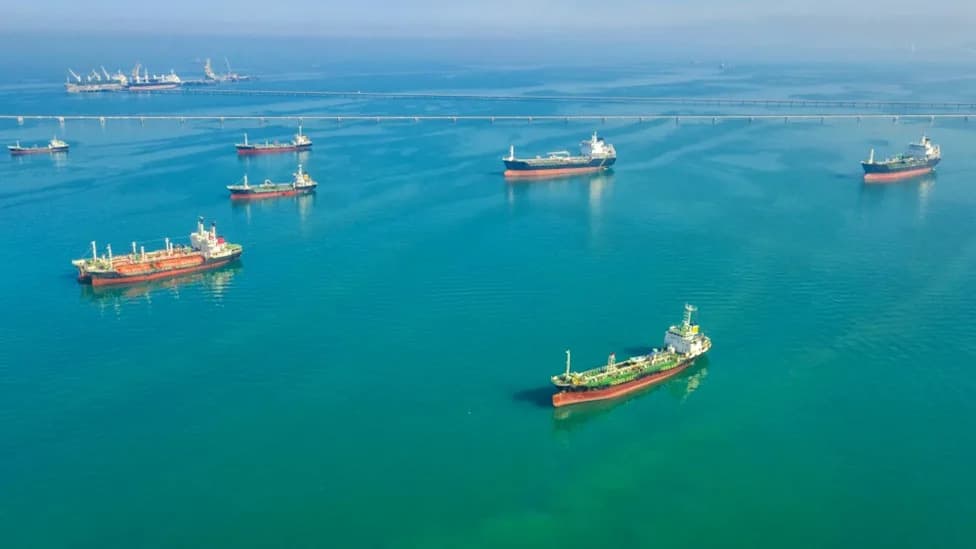
Hormuz Shipping Traffic Remains Stuck in Single Digits
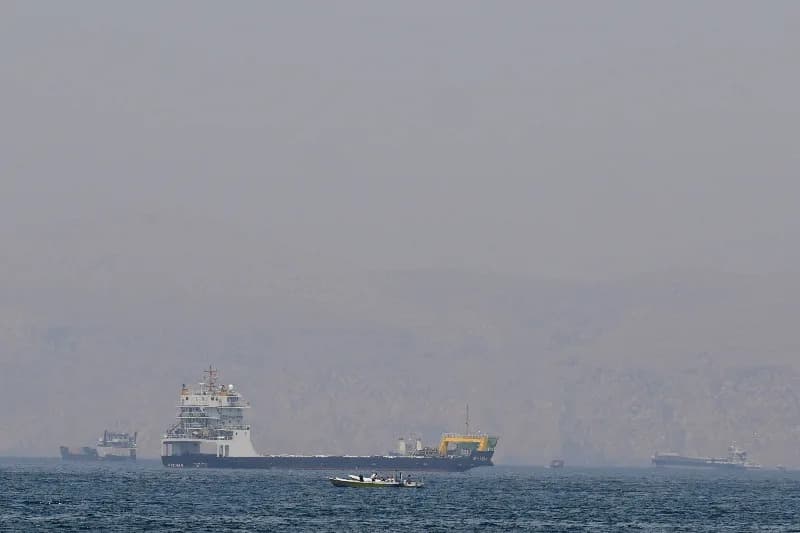
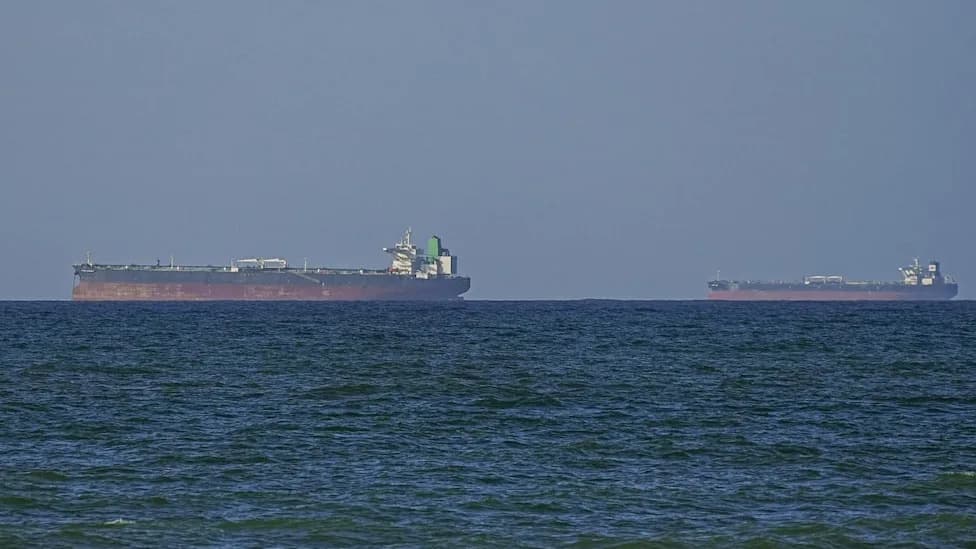
Ship-tracking data cited by Reuters show tanker traffic through the Strait of Hormuz remains a small fraction of pre-conflict levels, with just four vessels recorded transiting the waterway on Tuesday compared with seven the day before.
Recent Traffic Snapshot
According to the Reuters report — which drew on commercial ship-tracking data — two tankers entered the chokepoint on Tuesday and two exited. None of the four were Very Large Crude Carriers (VLCCs) or LNG carriers; one was carrying liquefied petroleum gas (LPG) and another was loaded with naphtha. The 10-day moving average stood at 18.
Data Limitations
These counts exclude vessels that have switched off their Automatic Identification System (AIS) transponders. Maritime intelligence firm Windward separately reported that only one tanker — an oil product carrier — entered the strait on September 15. Even allowing for so-called “dark” sailings with transponders off, overall passage rates remain severely subdued.
Why Traffic Has Fallen
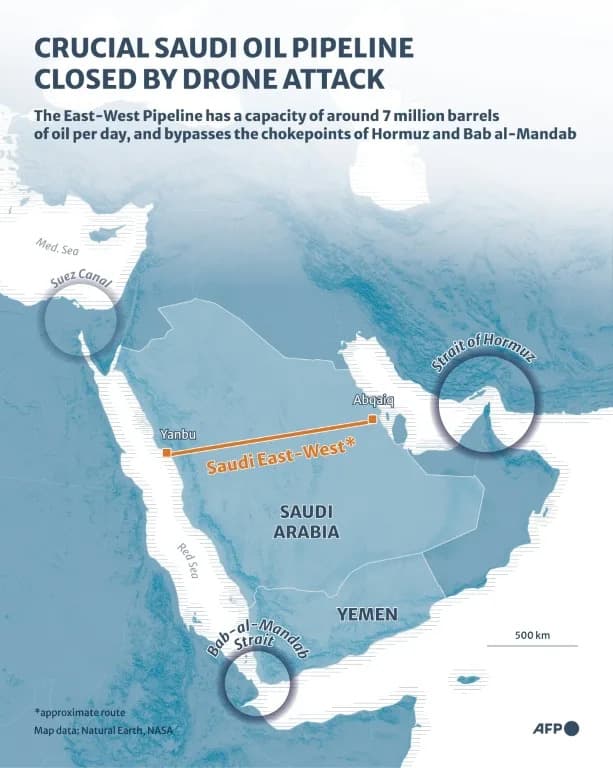
Owners and energy exporters are exercising greater caution amid a re-escalation of regional hostilities, recent strikes on tankers and the expanding threat posed by Iran-aligned Houthi forces in the Red Sea. The Houthis’ latest attack on Saudi Arabia’s East–West pipeline forced crude-loading cancellations at the port of Yanbu and prompted fresh concern about secure export routes.
Implications And Outlook
There have been reports Riyadh is exploring higher shipments via the Strait of Hormuz after the pipeline strike, because Houthi activity has increased around the Bab el-Mandeb. However, the recent crossing figures suggest any near-term shift would be difficult. Estimates for how long it will take Saudi Aramco to repair the East–West pipeline range from a few days to several weeks, prolonging uncertainty for markets and shippers alike.
Sources: Reuters, Windward; reporting by Irina Slav for OilPrice.com.
Help us improve.