Researchers used vector-based enhancement on an 80-year-old photograph of a serekh to argue the name inside is Meretneith, a First Dynasty queen who may have served as Egypt's first female pharaoh. The clearer images reveal hoe signs corresponding to "Mer," matching other inscriptions and seal impressions, but the deity symbol above the serekh remains ambiguous. Scholarly debate continues because of variable spellings, damaged seals, and the lost original object, yet the new analysis strengthens the possibility that Meretneith held royal authority during a dynastic transition.
Sharpened 80-Year-Old Photo Strengthens Case That Meretneith Was Egypt's First Female Pharaoh
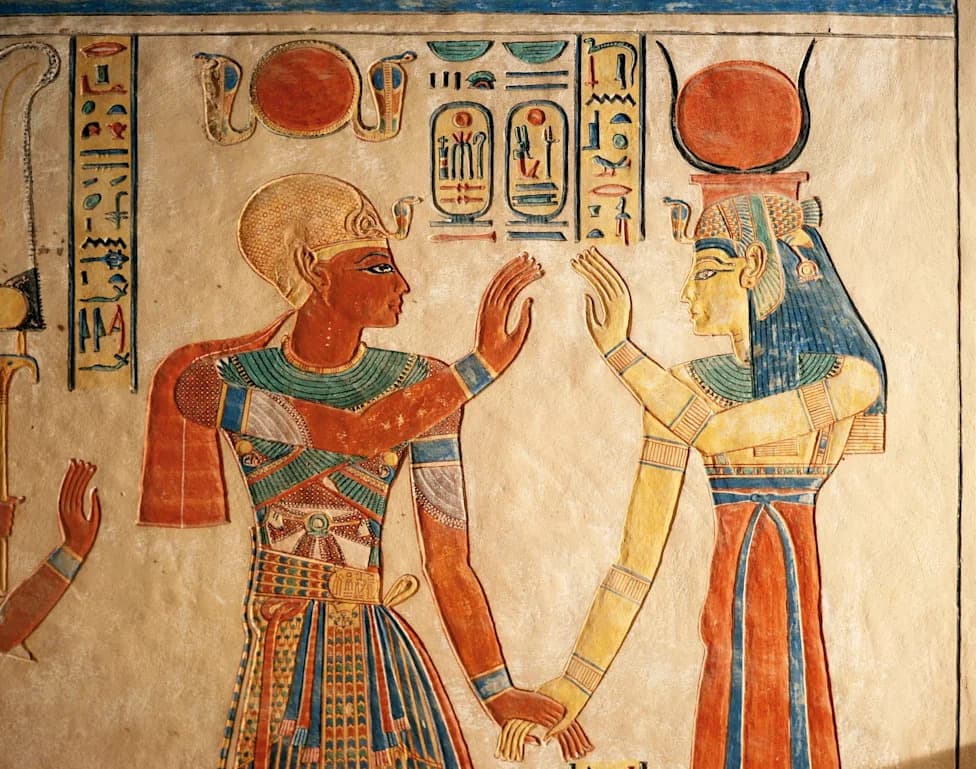
A Grainy Photo May Reveal the First Female PharaohDEA / G. DAGLI ORTI - Getty Images
Researchers say a digitally sharpened rendering of an 80-year-old black-and-white photograph of a serekh may finally reveal the name inside it as Meretneith — a First Dynasty queen who could have acted as Egypt's first female pharaoh more than 5,000 years ago.
Who Was Meretneith? Meretneith is usually identified as a daughter of Pharaoh Djer, the wife of Pharaoh Djet and the mother of Den. In some reconstructions of the early dynasty, Den was too young to rule when Djet died, and Meretneith appears to have assumed authority during the transitional period.
How the Mystery Began The puzzle dates to 1900 C.E., when Flinders Petrie excavated tomb Y at Abydos and found royal material that did not display a clear serekh. Decades later, Walter B. Emery photographed seal impressions from Saqqara (tomb S3503) showing a faint name adjacent to Djer's serekh; Emery read the name as Meretneith, but scholars disagreed because the signs were unclear and the physical object no longer survives.
New Digital Analysis Archaeologists Sue Kelly (Charles University) and Crystal Miller (Macquarie University) published a study in Prague Egyptological Studies detailing a digital workflow they applied to Emery's photographs. They isolated individual hieroglyphic signs on screen and converted them into vector graphics — mathematical curves that can reveal consistent shapes hidden in grainy pixel data. The vectorized images produced clearer renderings of the serekh's interior signs and the emblem above it.
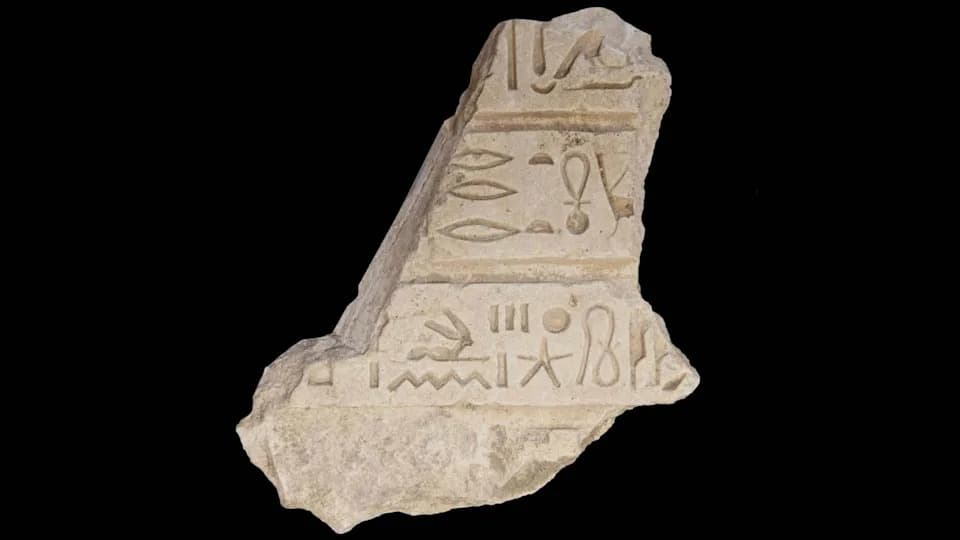
What the Enhanced Images Show The researchers report that the first serekh contains two hoe signs sharing a compartment, representing the consonant cluster "mr" (the "Mer" in Meretneith). These vectorized forms align with other inscriptions of her name, administrative documents, and necropolis seal impressions. That strengthens the reading of the name as Meretneith.
Lingering Ambiguities Important uncertainties remain. The deity sign above the serekh — where a goddess emblem would normally sit for a name invoking Neith — is not an unequivocal match to Neith's shield-and-arrows emblem. Some scholars suggest the upper sign might be a falcon (Horus), a royal emblem associated with reigning pharaohs. In addition, Meretneith's name appears in multiple spellings across First Dynasty sources: sometimes with a feminine "-t" ending, sometimes without; occasionally with an extra phonetic mouth sign representing "r." Scribes' variations, damaged seals, or uneven stampings could account for many of these inconsistencies.
"Undoubtedly, Meretneith was a prominent figure in the First Dynasty," Kelly and Miller write. "Despite the considerable surviving evidence, her political position remains ambiguous and open to conflicting interpretations."
Why It Matters If the serekh in Emery's photographs truly belongs to Meretneith and the deity sign above is read as a royal emblem, it would strengthen the case that she exercised kingly power — perhaps as an interim ruler — near the beginning of Egypt's pharaonic era. Even if debate continues, this study demonstrates how modern digital techniques can extract new information from decades-old archaeological records and prompt fresh discussion about early state formation in ancient Egypt.
Help us improve.