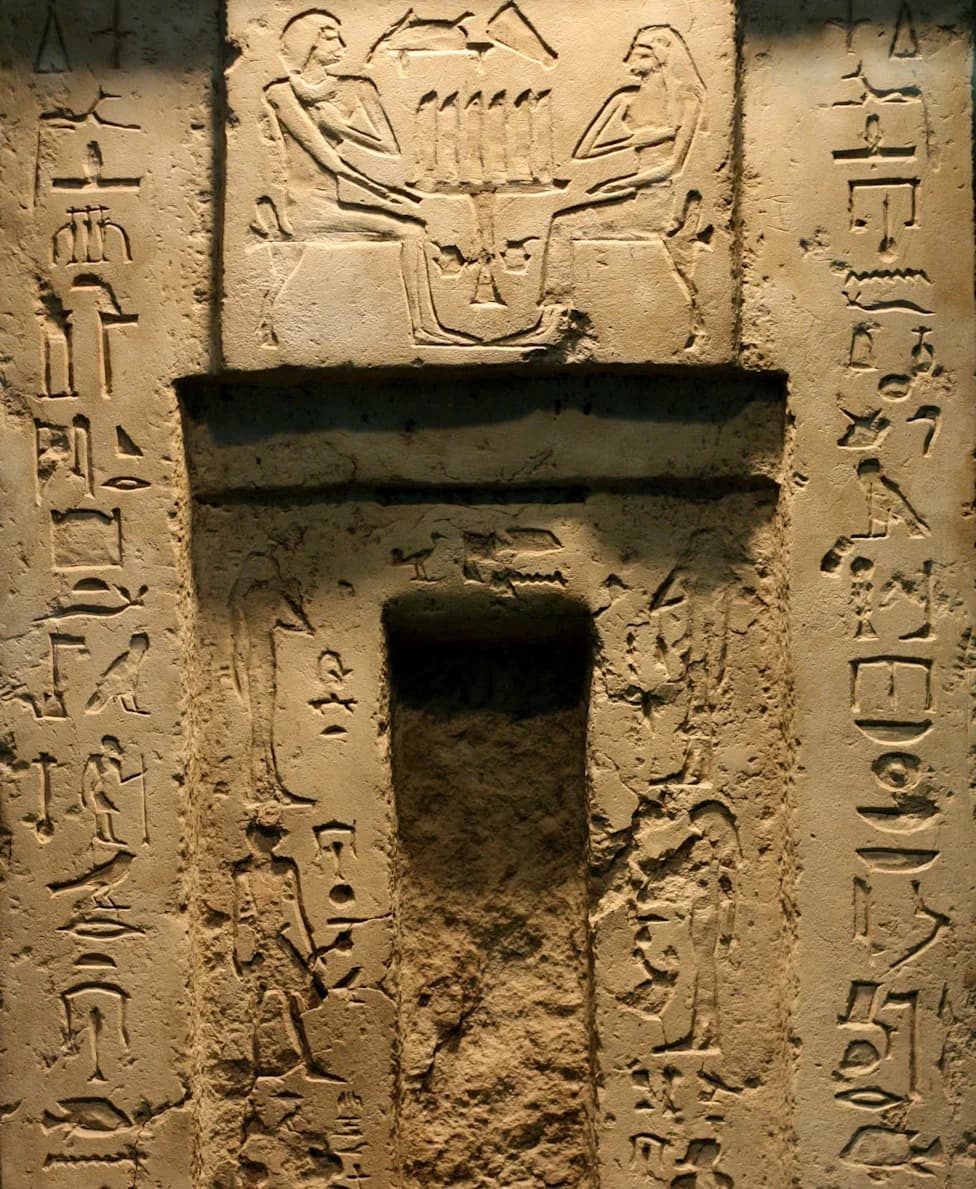
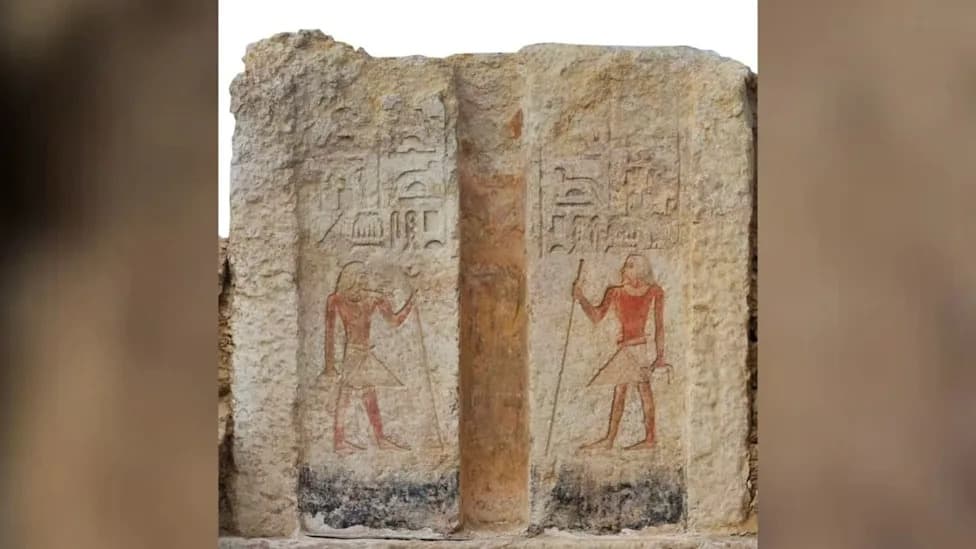
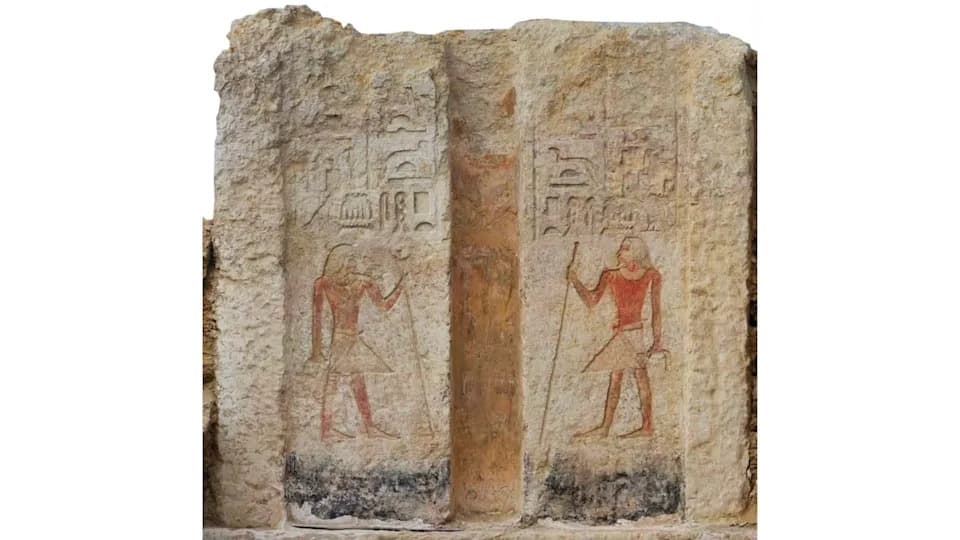
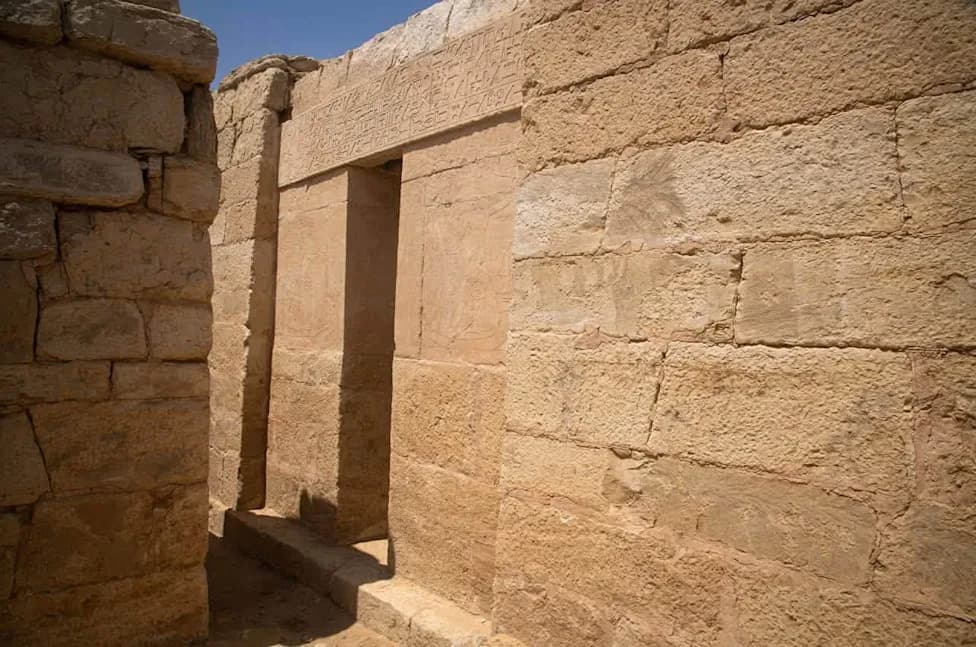
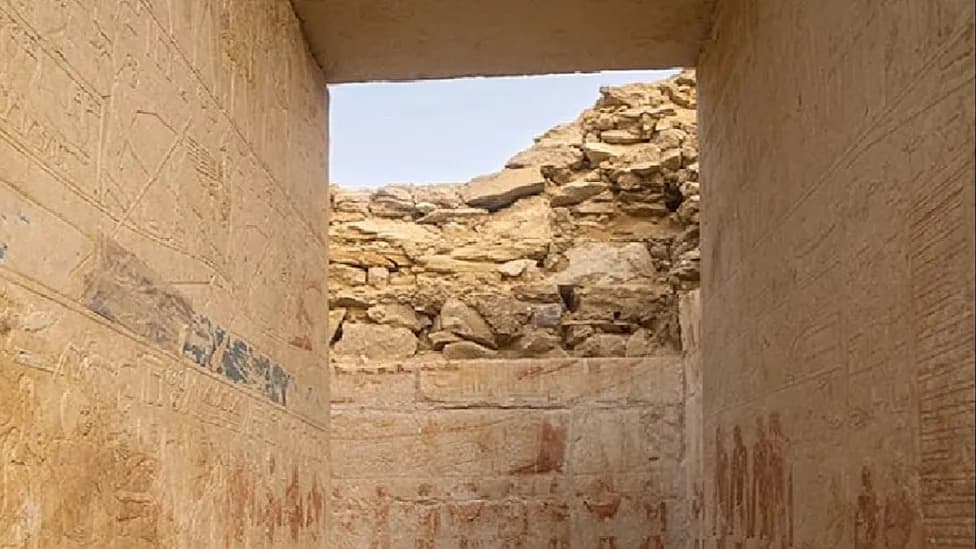
Geophysical surveys around Tutankhamun's tomb (KV 62) have identified five or six likely chambers that may lie beyond the tomb's walls. Researchers plan to bore an 8 cm test shaft through roughly 20 metres of limestone and lower a camera if an open space is reached. The study revives Nicholas Reeves's 2015 hypothesis that Tutankhamun may have been buried in rooms adapted from Queen Nefertiti's complex. If confirmed, the find would be a major archaeological discovery — but experts stress that permissions, preservation and natural damage remain important caveats.
Could Nefertiti’s Tomb Lie Behind Tutankhamun’s? New Geophysical Evidence Points to Hidden Chambers
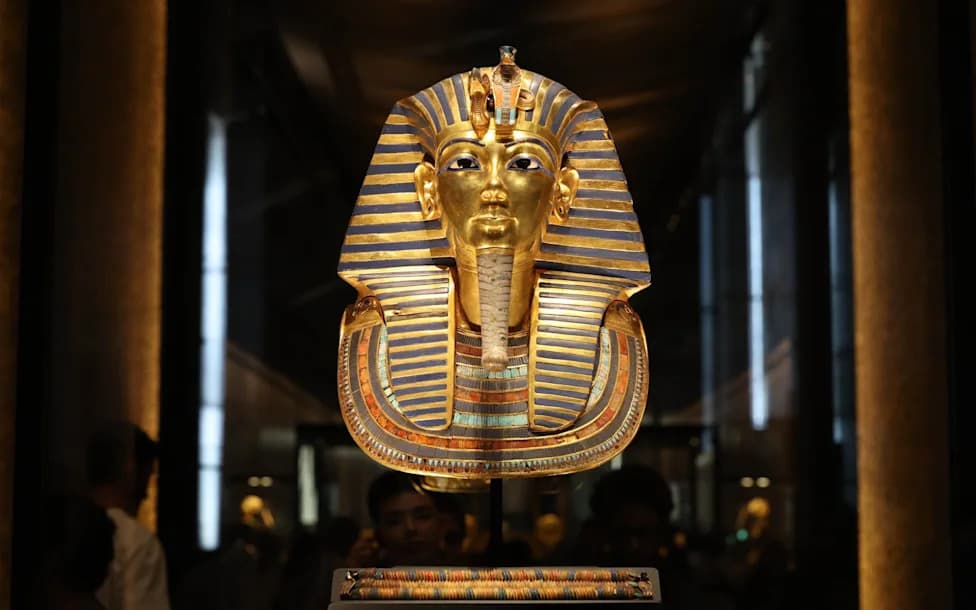
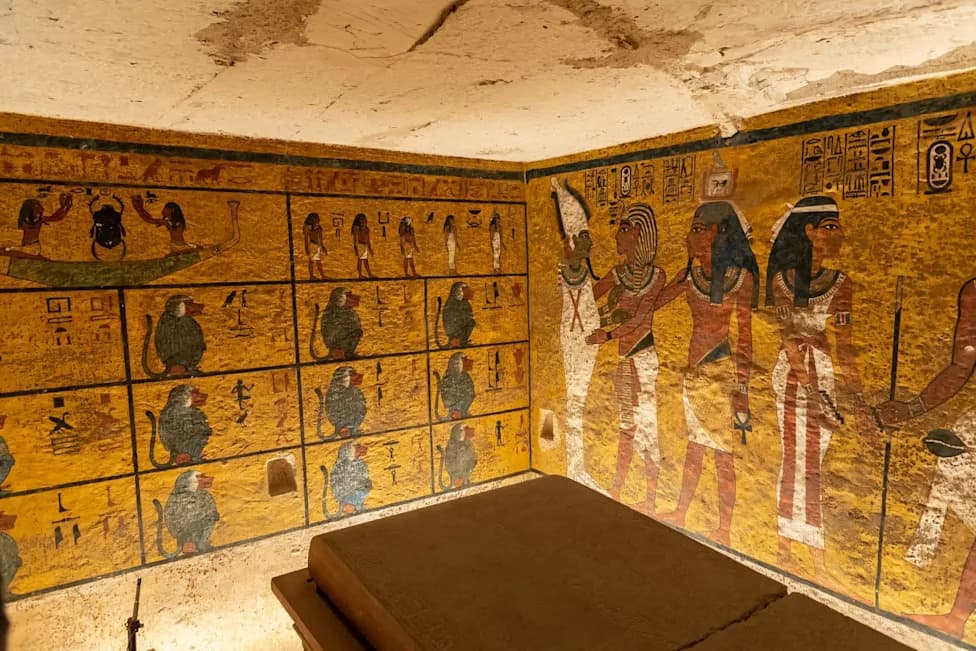
Paintings in Tutankhamun's tomb may provide clues of where Nefertiti is buried - VCG via Getty Images/Jiang Qiming
Egyptologists say modern subsurface scans have revealed anomalies that could indicate a previously unknown funerary complex adjoining Tutankhamun's tomb (KV 62) — and with it, the possible burial place of Queen Nefertiti.
New Survey, New Questions
A team from Egypt's National Research Institute of Astronomy and Geophysics, working with the Amarna Royal Tombs Project, used ground-penetrating radar, electrical resistivity tomography and microgravity surveys to probe the hillside and rock surrounding KV 62. Their analysis concluded that five or six voids are likely present beyond the tomb's known walls, potentially linked by passages that ancient builders deliberately packed with rubble.
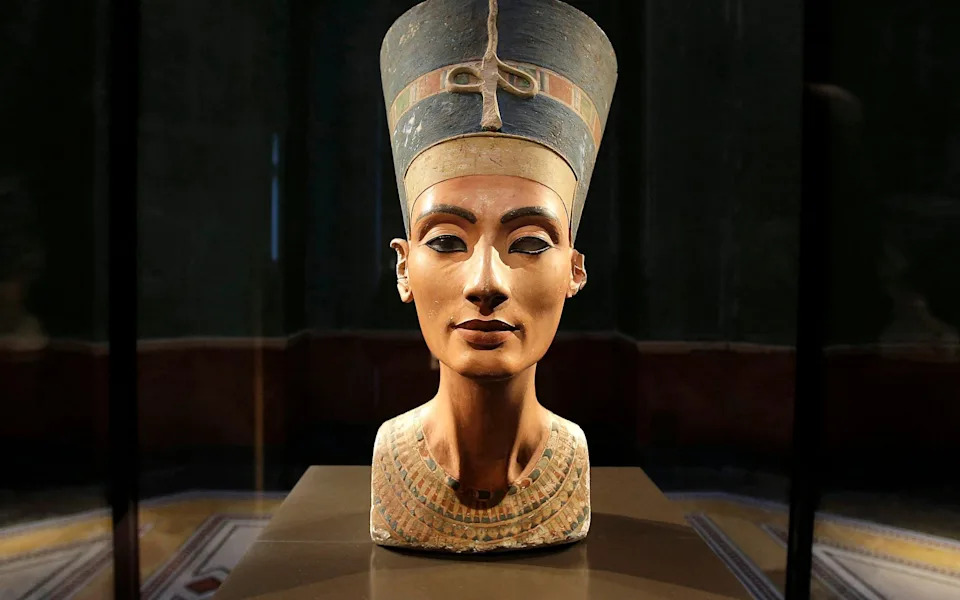
The bust of Nefertiti, discovered by German archaeologists in 1912, is one of the most recognisable ancient Egyptian artefacts - AFP/Michael Sohn
What The Data Suggests
One notable anomaly indicates a central area of a chamber that appears denser than the surrounding limestone — a signature the researchers say could correspond to a "well-stocked, undisturbed funerary chamber." While geophysical signals cannot identify objects, they can flag cavities, filled corridors and changes in material density that merit targeted investigation.
“If a concealed complex is confirmed, it could rank among the most transformative archaeological discoveries of the modern era,” said Mamdouh Eldamaty, the former Egyptian antiquities minister leading the research team.
How They Plan To Test It
The team is seeking permission to drill a small, 8 cm-diameter vertical borehole through roughly 20 metres of limestone from the hillside above KV 62. A diamond-tipped drill would be used to minimize disturbance; if the bit reaches an open void, a camera lowered into the shaft could directly inspect interiors without large-scale excavation.
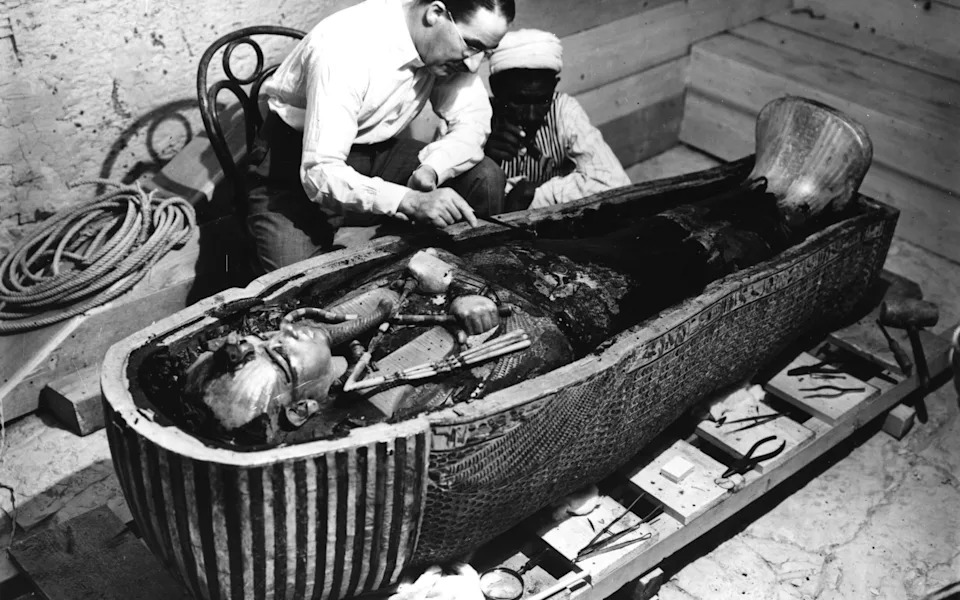
Howard Carter discovered Tutankhamun's tomb in 1922, reporting that he has seen 'wonderful things' inside
Origins Of The Hypothesis
The idea that Nefertiti's burial might be connected to KV 62 was proposed in 2015 by British Egyptologist Nicholas Reeves, a co-author of the current paper. Reeves argues that Tutankhamun, who died unexpectedly at about 19, may have been buried in rooms adapted from an earlier royal complex — possibly Nefertiti's — because there was no time to prepare a full pharaonic tomb.
Supporters point to the tomb's unusual proportions and certain wall scenes as potential clues. Critics note that geophysical and imaging work is interpretive and that previous studies — including a 2018 analysis that reported no hidden chambers — have produced differing conclusions.
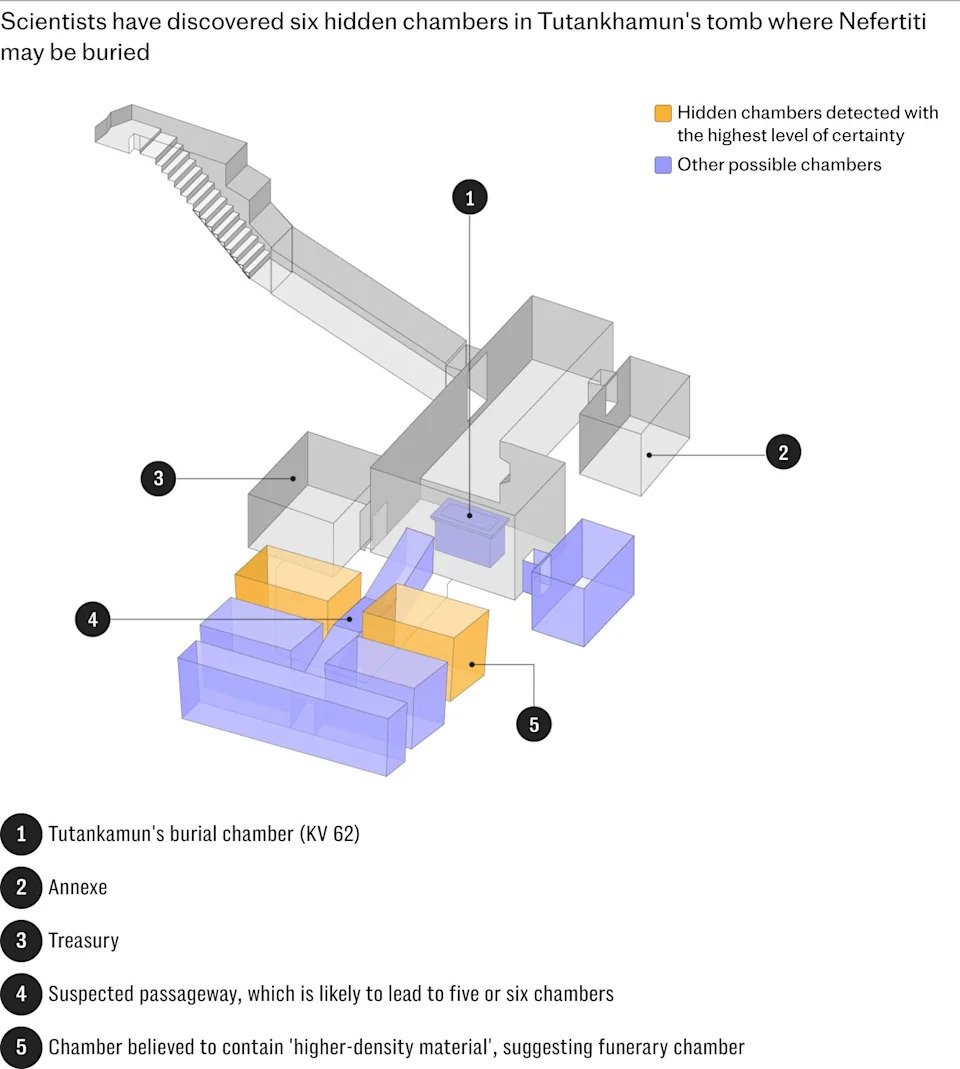
George Ballard, a British geophysicist and co-author of the new study, said earlier surveys focused on finding large open spaces and might have missed rubble-filled corridors adjacent to the tomb. He cautioned that the condition of any chamber is uncertain: flooding or prior disturbance could have altered or destroyed original contents.
Why It Matters
A confirmed discovery of Nefertiti's tomb would reshape understanding of late 18th-dynasty succession, burial practice and the Amarna period's royal landscape. It would also be a rare instance where non-invasive geophysics leads directly to a minimally invasive visual inspection of a major archaeological target.
Context: Nefertiti — famed for her painted limestone bust discovered in 1912 — likely lived circa 1370–1330 BC and was the wife of Akhenaten. She may have ruled jointly or briefly alone after his death and is often linked in scholarship to Tutankhamun as stepmother and possibly mother-in-law.
Next steps depend on official approvals and careful planning to balance archaeological value with preservation. Even if a void is found, further work will require stringent conservation protocols.
Help us improve.