The Great Lakes piping plover population rebounded from roughly a dozen pairs in 1990 to 99 nesting pairs in 2026, producing 184 fledged chicks (160 in the wild, 24 raised in captivity). Recovery relied on captive rearing at 13 participating zoos, intensive nest monitoring and habitat restoration. Volunteers, signs, roped-off zones, predator enclosures and leg-banding helped protect nests and track birds. Officials aim to grow the population to a recovery goal of 150 breeding pairs.
From 12 Pairs to 184 Chicks: Great Lakes Piping Plovers Stage a Remarkable Comeback
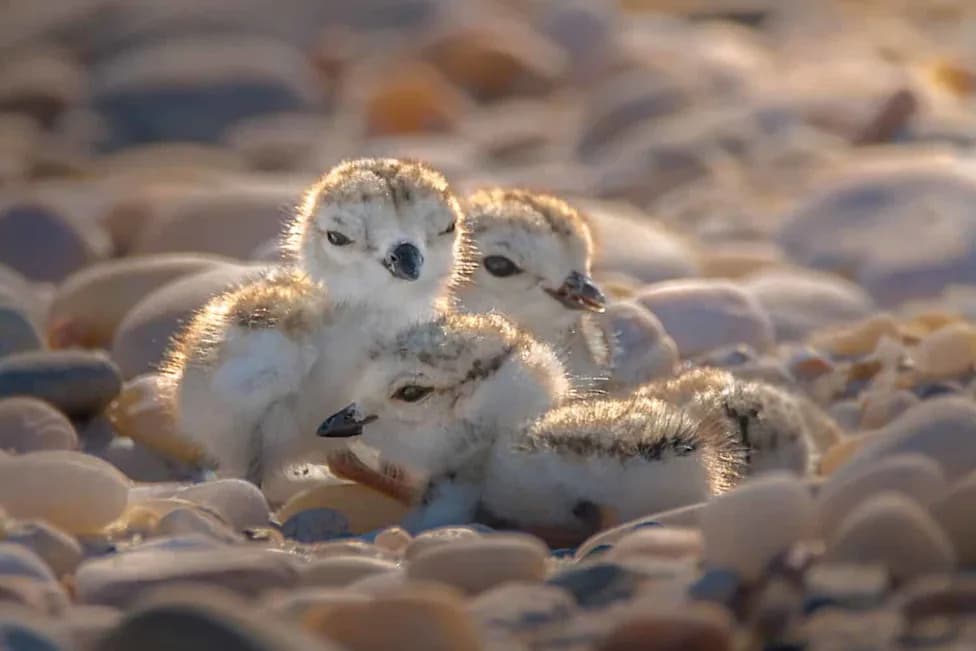
Four beautiful babies of piping plover (Charadrius melodus) are close together and surrounded by pebbles on a beach during sunset.© Jay Gao/Shutterstock.com
Great Lakes piping plovers (Charadrius melodus) have made an encouraging recovery after decades of decline. Federally listed as endangered in 1986, the population dropped to roughly a dozen breeding pairs by 1990, all in Michigan. Thanks to coordinated conservation work, 2026 produced a record season: biologists documented 99 nesting pairs across the Great Lakes and 184 chicks fledged — 160 raised in the wild and 24 hand-reared in captivity and released.

Piping plovers nest in the sandy dunes of the Great Lakes shorelines.©csterken/iStock via Getty Images
Why These Birds Are Vulnerable
Piping plovers nest on open sand and gravel beaches and dunes, where their camouflaged plumage helps them blend into the shoreline. Those very nesting sites make them especially vulnerable to disturbance and predation. The birds often begin nesting in early spring when beaches are quieter; as summer activity increases, an unleashed dog or an inadvertent footstep can destroy a nest or scatter chicks.
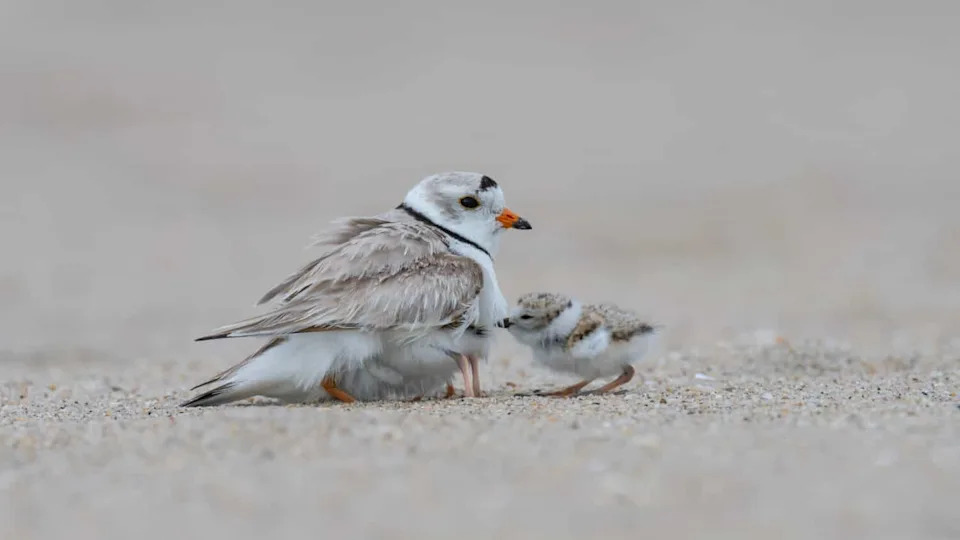
Piping plover chicks stay with their parents for about four to five weeks until they are old enough to be independent.©Randy G. Lubischer/Shutterstock.com
Conservation Strategies That Worked
Recovery efforts combined science, community engagement, and habitat work. Tactics include:
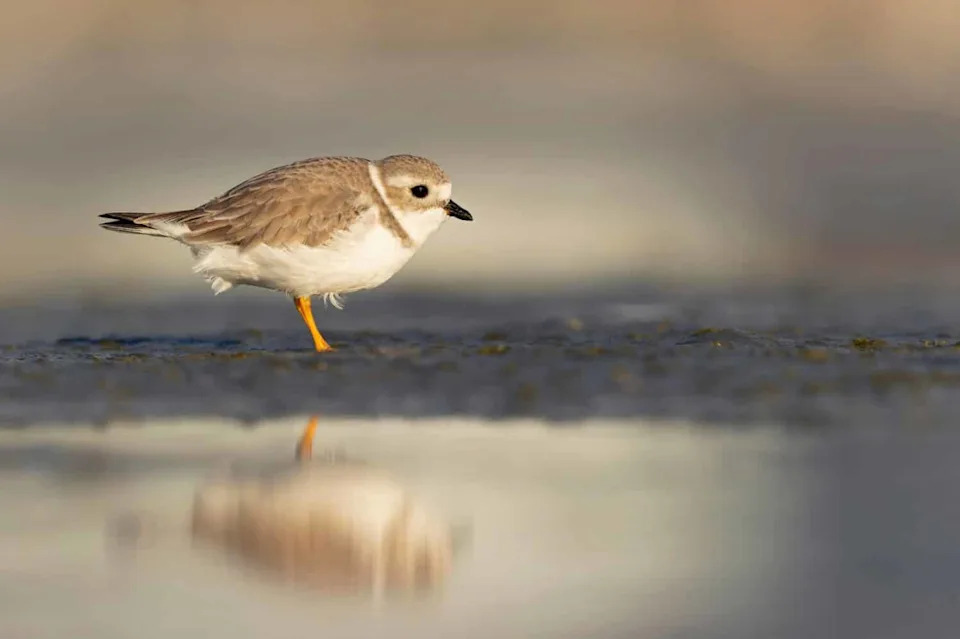
Conservationists hope to bring the Great Lakes piping plover population up to 150 nesting pairs.©Bouke Atema/Shutterstock.com
- Captive rearing: 13 zoos participate in hand-raising abandoned eggs and chicks, which are released back to their natal sites once mature enough.
- Nest monitoring and protection: Biologists and volunteers survey beaches each spring, rope off nesting zones, post signs, and sometimes place protective enclosures over nests to reduce predation.
- Banding and tracking: Chicks are fitted with colored leg bands between 5 and 16 days old, enabling researchers to track individuals and better estimate survival and return rates.
- Habitat restoration: Projects remove invasive plants, replenish sand, and restore islands and beaches — actions that benefit plovers and other species alike.
These combined efforts expanded the Great Lakes breeding range beyond Michigan to include nesting pairs in Wisconsin, Illinois, Indiana, Ohio, Minnesota and New York.
Community Success Stories
One high-profile success began in 2019 when a pair nicknamed Monty and Rose nested at Montrose Beach in Chicago. Volunteers and the public rallied to protect them — moving events, installing ropes and signage, and monitoring the site — and the birds returned for multiple seasons. Their story helped raise public awareness and support for beach stewardship.
Broader Benefits and Future Goals
Habitat restoration not only supports piping plovers but also improves water quality and helps other at-risk species, such as the state-endangered hairy-necked tiger beetle, native fish, shorebirds and migrating waterfowl. Piping plover chicks remain with parents for about four to five weeks before becoming independent.
U.S. Fish and Wildlife Service lead biologist Jillian Farkas noted in a press release that volunteers remain essential to monitoring, outreach and education. With 99 nesting pairs in 2026, officials are optimistic the population can reach the recovery target of 150 breeding pairs across the Great Lakes region.
Help us improve.