Pope Leo XIV's spontaneous blessing of Marie-Garance, a young girl with multiple disabilities, became a widely shared image symbolizing his France visit's focus on protecting the vulnerable. The four-day trip included large public gatherings in Paris, Lourdes and Metz and featured six altar servers with Down syndrome at a high-profile Mass. In public addresses the pope denounced what he called "false compassion," opposing assisted suicide and the termination of pregnancies based on disability, while warning about ethical risks from profit-driven science and technology.
Pope Leo XIV's Tender Blessing of a Girl With Disabilities Becomes Symbol of His France Visit
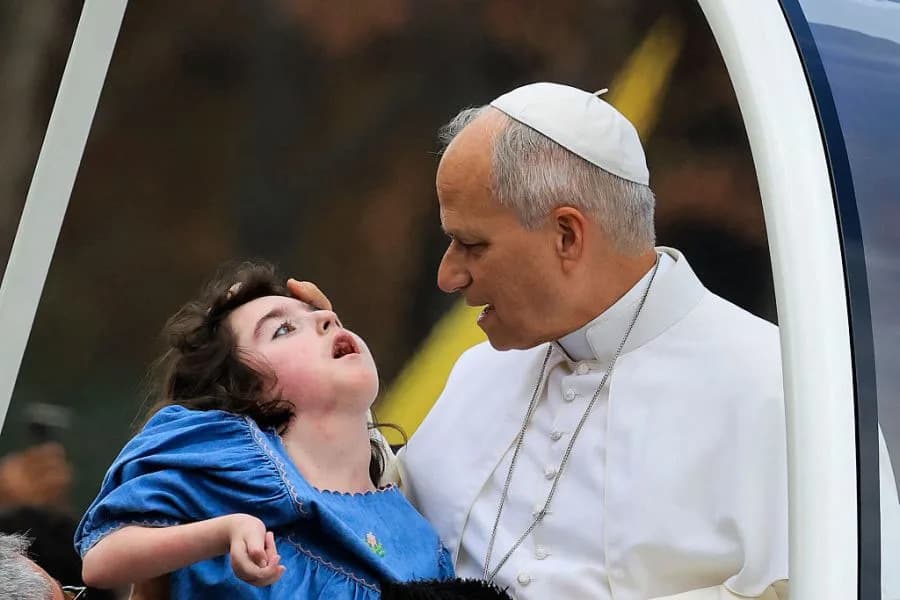
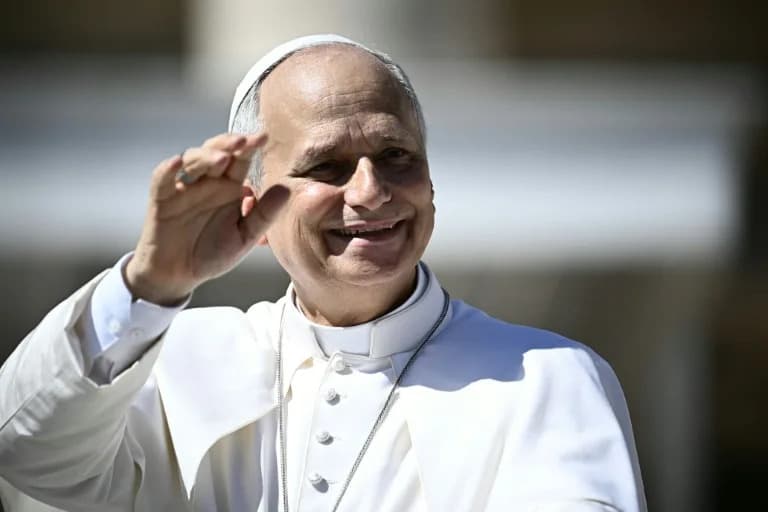
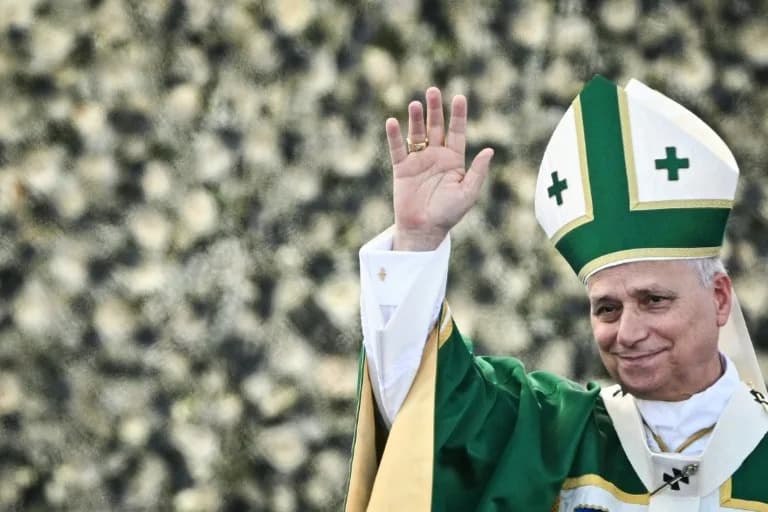
Pope Leo XIV's warm, impromptu blessing of a young French girl with multiple disabilities emerged as one of the defining images of his four-day visit to France, underscoring the trip's central theme: protecting and dignifying society's most vulnerable.
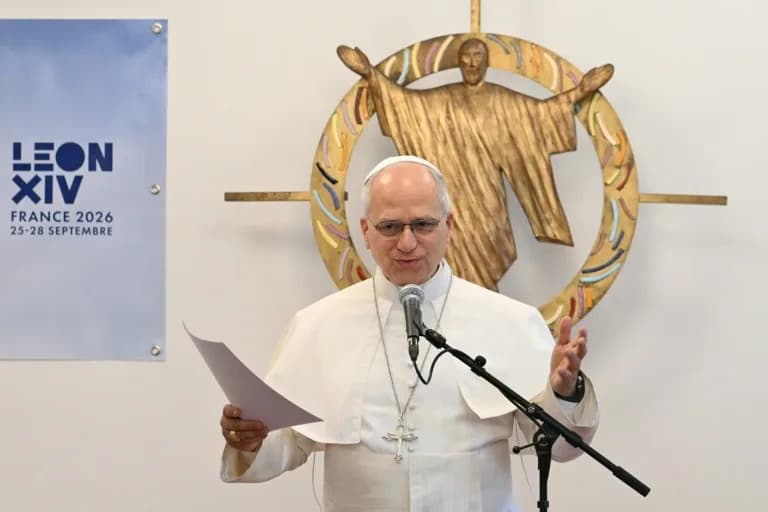
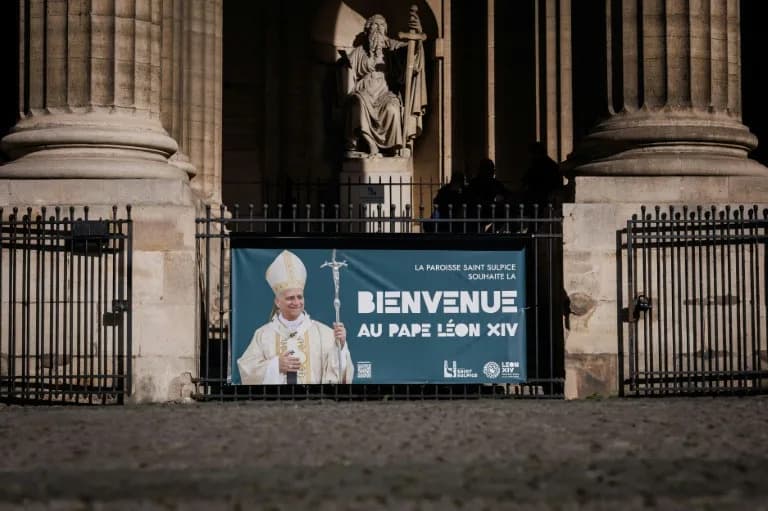
The pontiff concluded the visit on September 28 after stops in Paris, Lourdes and Metz. It was the first papal trip to France in nearly two decades, and international coverage noted that the traditionally secular nation greeted him with unexpectedly enthusiastic crowds.
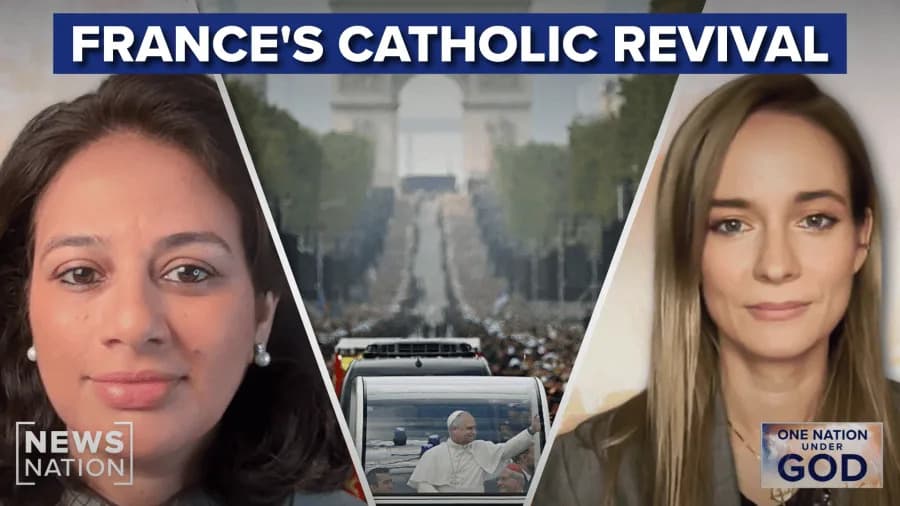
Hundreds of thousands lined the Avenue des Champs-Élysées to catch a glimpse of the pope as he made his way to Mass at Place de la Concorde. Among them was Marie-Garance, a girl living with several disabilities, who received an unscheduled blessing from Pope Leo in a moment that quickly went viral.
“It was a beam of light cast on the darkness,” Marie-Garance's mother, Clotilde, told French media, saying the pontiff had called attention to a form of humanity to which dignity is often denied.
Clotilde and her large family drew attention in France and beyond. A 2023 profile in Aleteia noted that she has six biological children and three adopted children, including Marie-Garance. She has described daily parenting as a delicate balance and said their household was rooted in parenthood rather than framed as a humanitarian project.
Pope Leo's encounter with Marie-Garance was one of several visible gestures toward people with disabilities during the trip. For his open-air Mass in Paris, he chose six men and boys with Down syndrome to serve at the altar; they represented the Jérôme Lejeune Foundation, an organization that supports people with Down syndrome. “I am really happy the pope is going to bless me,” François Vauraut, one of the altar servers, told French national television ahead of the Mass.
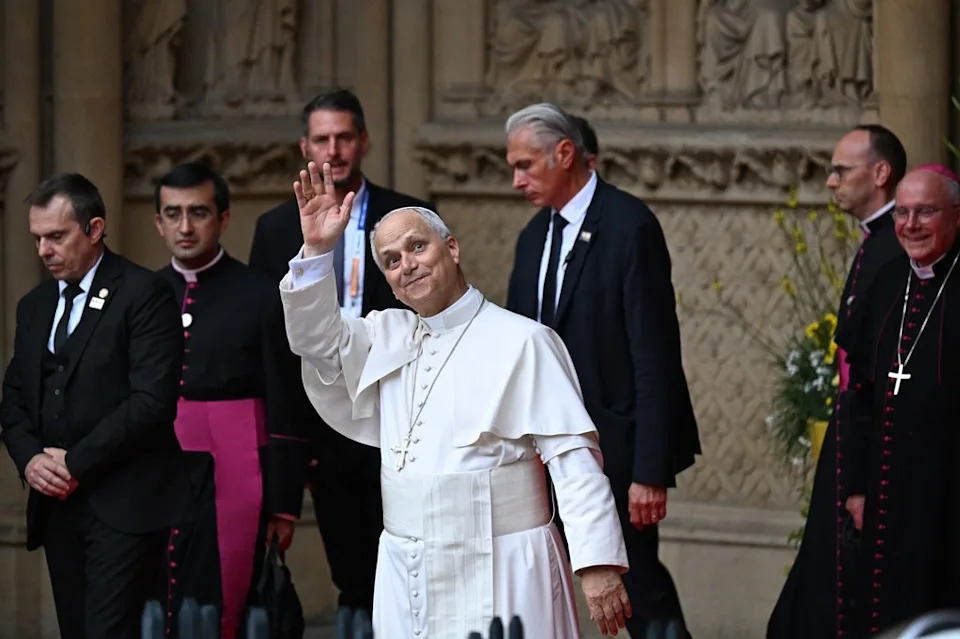
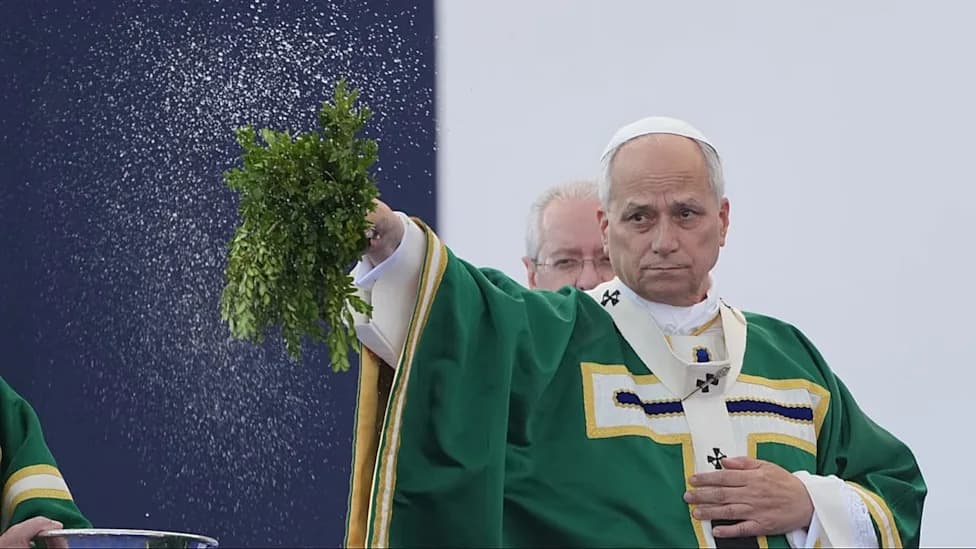
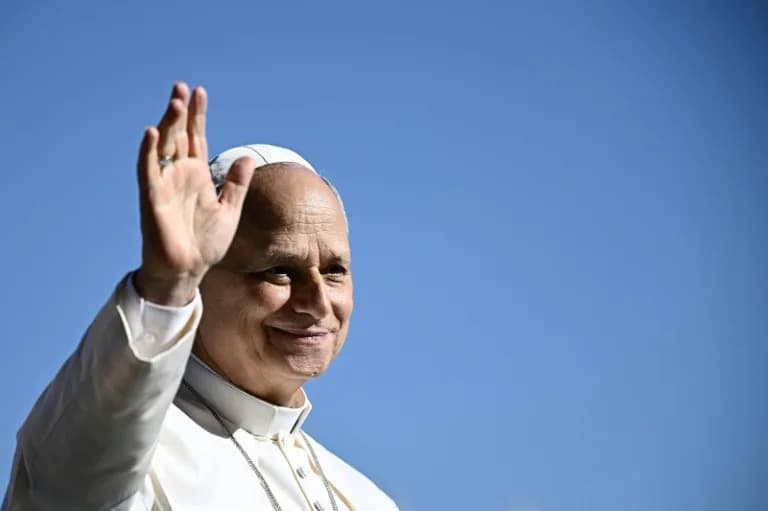
Pope Leo XIV waves as he leaves after a Mass at Saint-Etienne Cathedral, Monday, Sept. 28, 2026, in Metz, France. (AP Photo/Emma Da Silva)
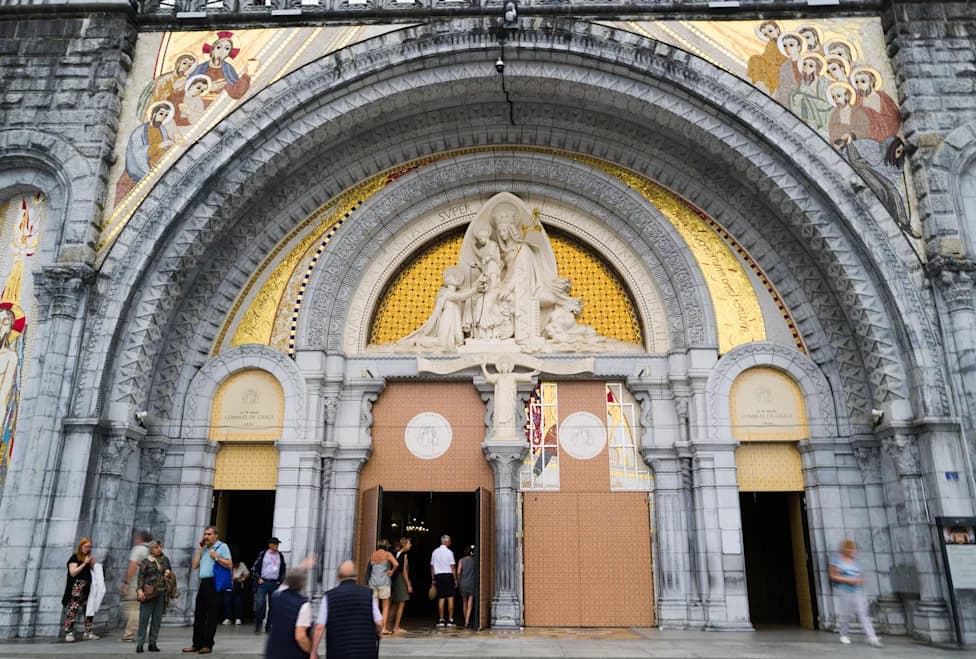
At Lourdes, the Catholic shrine associated with reported Marian apparitions in 1858, the pope addressed roughly 150,000 people and emphasized solidarity with those who suffer. He said no one should be excluded because of frailty and described crutches, wheelchairs and hidden tears as places where dignity is affirmed and where people can experience a transforming encounter with God's infinite love.
At the same time, Pope Leo used public addresses to challenge what he called “false compassion.” He condemned assisted suicide and the termination of pregnancies on the basis of disability, arguing that legality does not automatically confer moral legitimacy: “No human law should ever make you lose the certainty of your dignity,” he said.
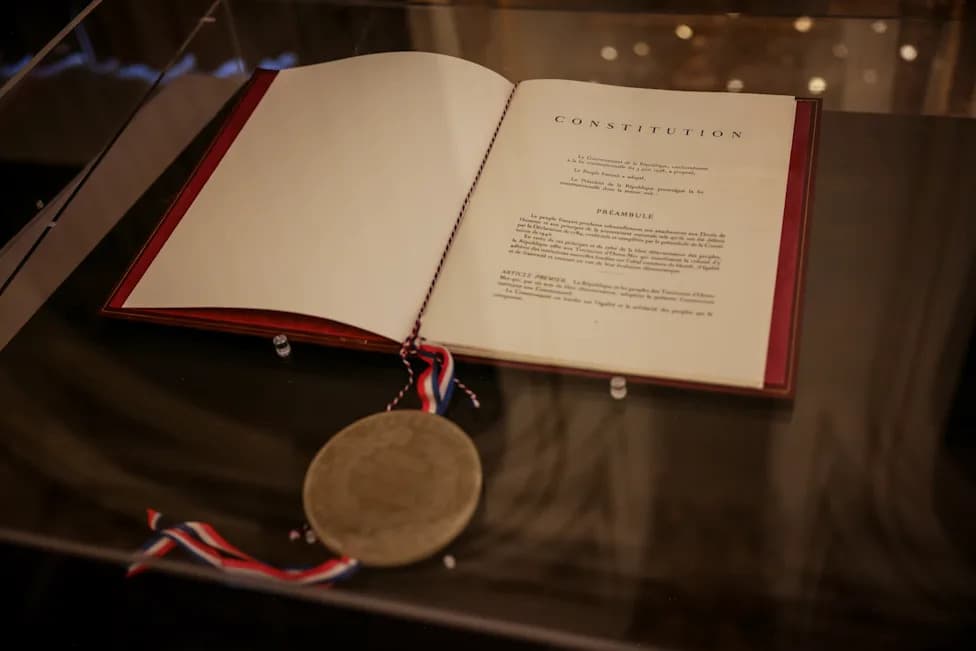
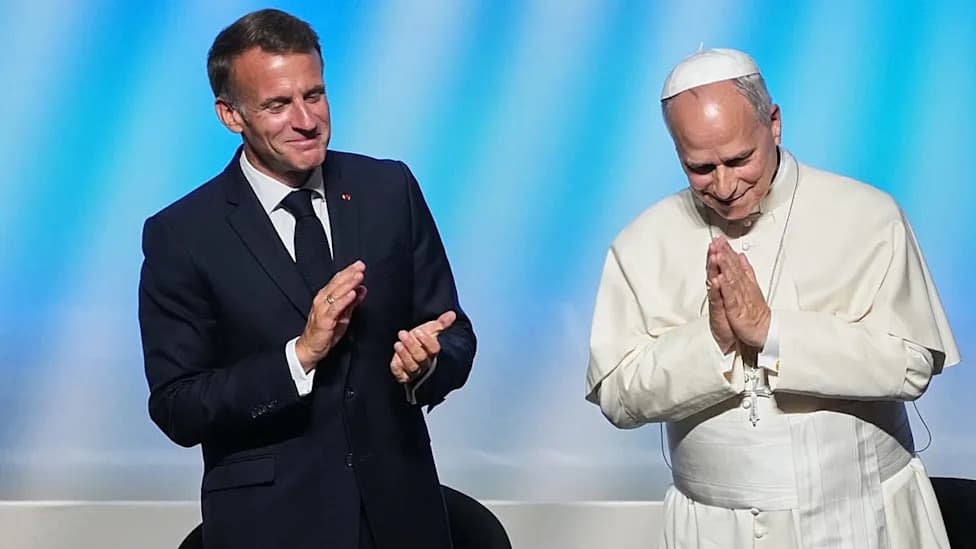
In August 2026, France enacted landmark "aid in dying" legislation that established a legal right to assisted suicide for adults with incurable illnesses. President Emmanuel Macron described the law as a hard-fought democratic achievement, saying he had pursued the change with seriousness, humility and respect for democracy.
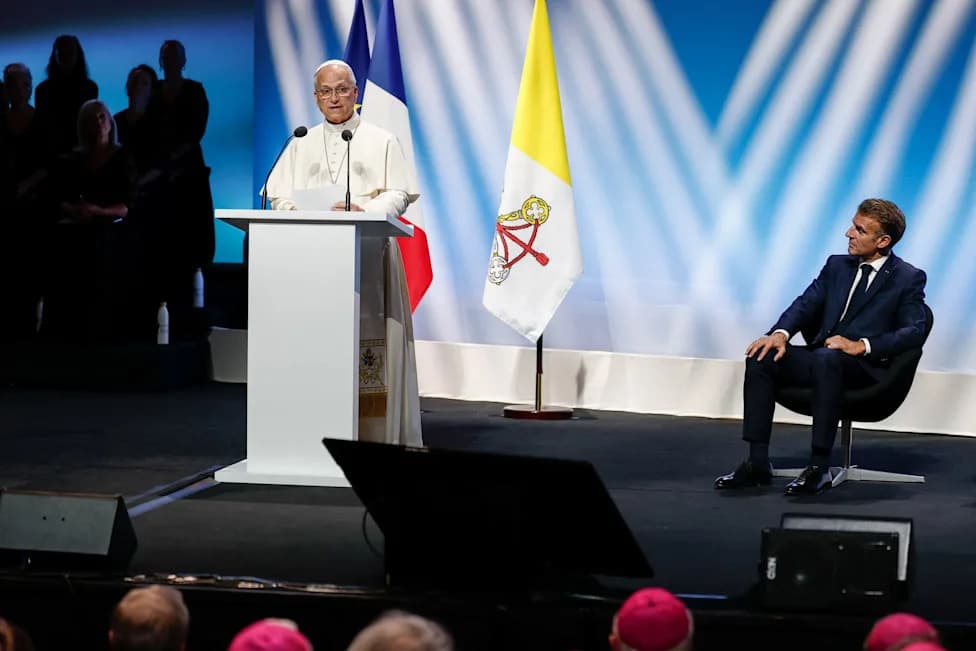
During an official address at the presidential residence, Pope Leo reiterated his view that “the protection of the right to life constitutes the indispensable foundation of every other human right,” and warned against societal trends that risk turning science and technology into profit-driven ventures that could encourage genetic manipulation, surrogacy markets, a trade in human organs or the arranging of one's death.
Throughout the visit, the pope's gestures and remarks focused attention on dignity, inclusion and the ethical limits of medicine and technology—issues that resonated in a country balancing secular governance with deep public interest in questions of conscience, care and human rights.
Help us improve.