Pope Leo XIV will visit Paris from September 25–28, marking the first papal trip to the French capital since 2008 and requiring around 15,000 security personnel. The Vatican charters an outbound ITA flight (the return is usually provided by the host), with the pope seated in 1A and a close-protection team of roughly 40 officers on board. About 80 journalists travel on the flight; the return leg includes a high-profile in-flight press conference. An advance team, medical contingencies and transport arrangements — including the popemobile — are deployed to ensure the trip runs smoothly.
Packing for a Pope: Inside the Meticulous Logistics of a Papal Visit to Paris
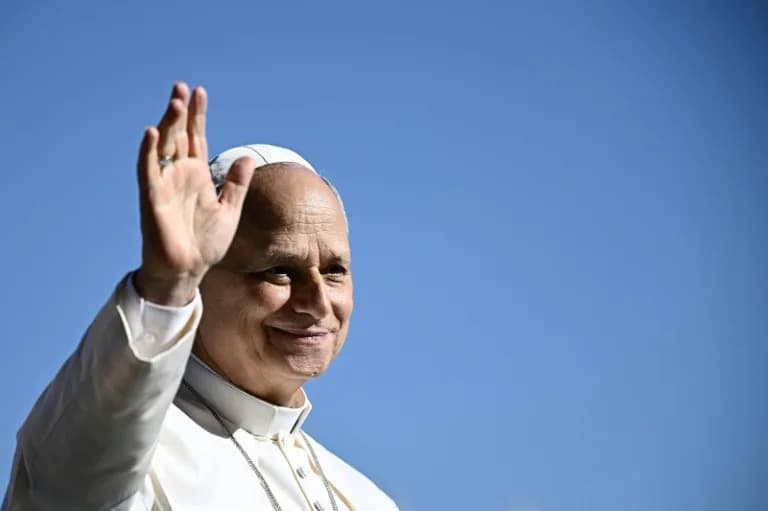
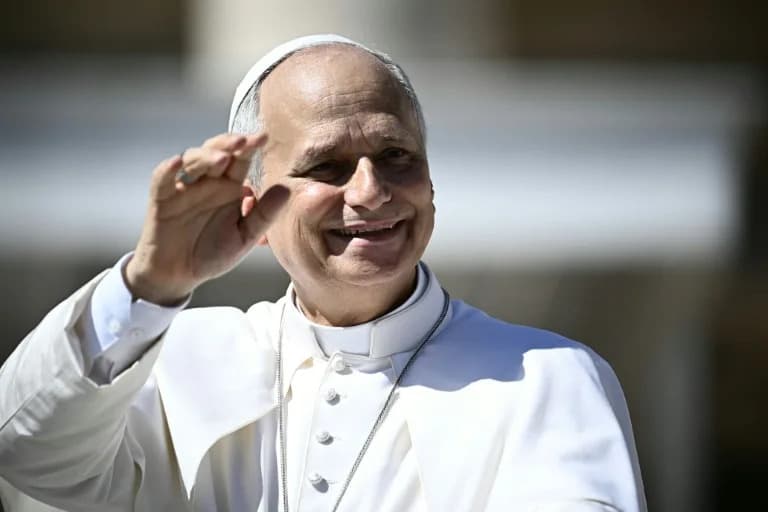
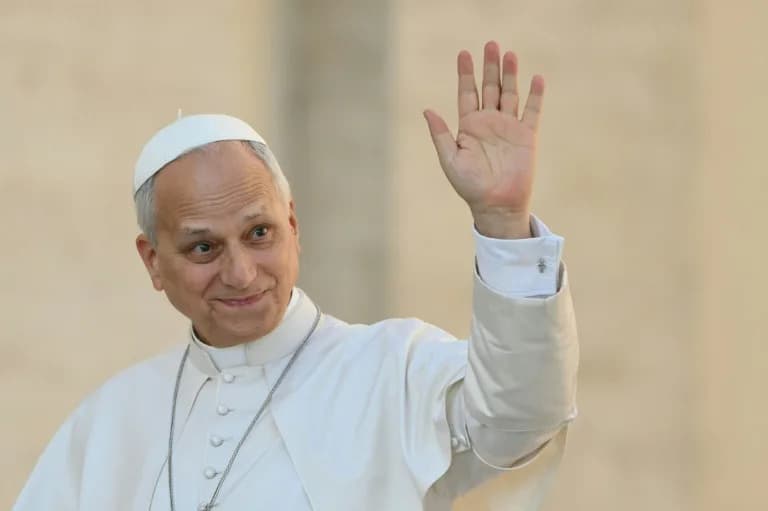
Pope Leo XIV waves to pilgrims as he arrives to lead the weekly general audience at The Vatican on September 16, 2026 (Filippo MONTEFORTE)
Papal visits bring enormous crowds, high-level diplomacy and painstaking logistical planning. Pope Leo XIV's visit to Paris from September 25–28 — including events at Notre-Dame Cathedral and the Champs-Élysées — will see around 15,000 security personnel deployed and extensive preparations completed long before the public itinerary was announced.
Countries invite the pope, but whether a visit proceeds depends on pastoral priorities and geopolitical context. Vatican officials weigh social and political conditions, conflict and humanitarian situations, the needs of local churches and the history of previous visits. Individual popes also shape destinations: John Paul II travelled widely in Eastern Europe in part to confront Communism; Pope Francis emphasised the Church's "peripheries"; and the US-born Leo appears to prioritise Europe and major international institutions.
Sky-High Briefing
Because the Holy See owns no official aircraft, the Vatican typically charters a commercial plane from Italy's national carrier, ITA, for the outbound leg; the host country often provides the return flight. On board, the pope occupies seat 1A at the front left of the cabin, with a depiction of the Virgin Mary placed nearby.
Rows marked with the Holy See's coat of arms are reserved for cardinals, the pope's private secretaries and his physician. Close protection inside the cabin is provided by roughly 40 officers from the Vatican Gendarmerie and the Swiss Guard, dressed in dark suits and ties. About 80 journalists, photographers and camera operators travel in the rear; media organisations generally pay their correspondents' fares, which typically run to several thousand euros.
On the outbound flight the pope often walks the cabin to greet reporters individually, sometimes exchanging anecdotes and receiving small gifts. On the return journey he holds one of the most closely watched press events in the world: an in-flight press conference at roughly 10,000 metres amid a tangle of cameras, microphones and tripods.
The luggage manifest is carefully planned: the pope's personal effects, speeches prepared weeks in advance, security equipment, sealed cases containing liturgical items (such as chasubles for Mass) and dozens of official gifts for heads of state and dignitaries, including paintings, books and rosaries.
Advance Team, Security and Medical Contingencies
Security and logistics are the largest operational challenges. As both a head of state and the spiritual leader of some 1.4 billion Catholics, the pope is among the most protected public figures in the world. The medical team carries a supply compatible with the pope's blood type, and a hospital suite is kept on standby in the host country.
The characteristic white popemobile is shipped ahead of the visit, with a backup vehicle stationed on site. Journalists — including AFP correspondents — travel in advance in convoys escorted by local police with sirens and lights. A Vatican delegation known as the "advance team" travelled to France in mid‑July to finalise arrangements with local authorities.
"The programme can change at the very last minute," a Vatican security official said. "Everything has to be meticulously planned, almost down to the second."
Help us improve.