Ibogaine is a powerful psychoactive alkaloid from Central Africa that has drawn renewed interest as a potential treatment for opioid and stimulant dependence, PTSD, depression and severe anxiety. Though recent federal actions and an FDA review of an ibogaine-derived investigational drug have accelerated research, ibogaine remains illegal in the U.S. as a Schedule I substance. Serious safety concerns — particularly cardiac risk and reported deaths — plus limited clinical evidence mean more large-scale, well-controlled trials are needed before it could be considered a safe, mainstream therapy.
Ibogaine Explained: Promise, Risks, and Why Veterans and Researchers Are Watching
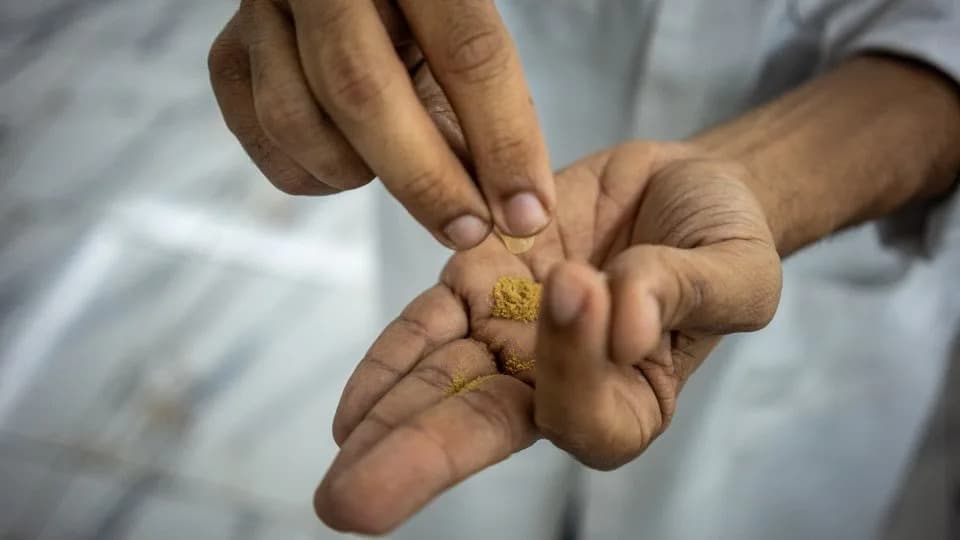
Ibogaine, extracted from the iboga plant in Central Africa, has been used to decrease opioid cravings and treat severe depression, anxiety and post-traumatic stress disorder symptoms in veterans. - Nao Mukadi/AFP/Getty Images
Ibogaine is a psychoactive alkaloid extracted from the root bark of plants native to Central Africa. Long used in traditional spiritual ceremonies, it has recently re-emerged in scientific and public conversation as a potential therapy for opioid and stimulant dependence, as well as for PTSD, depression and severe anxiety. Interest has accelerated amid federal policy moves and renewed clinical research — but important safety concerns and limited evidence mean ibogaine remains controversial.
What Is Ibogaine and Where Does It Come From?
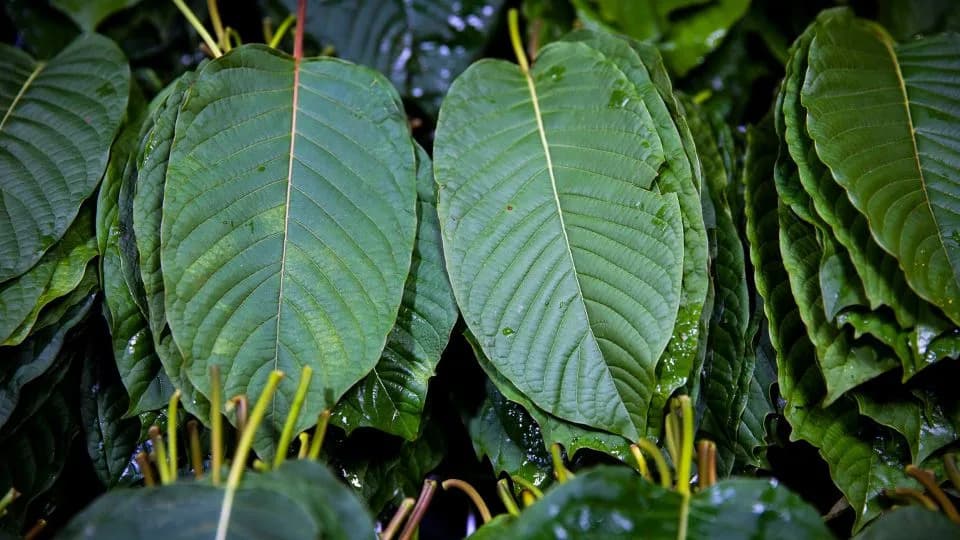
Ibogaine is derived primarily from the iboga shrub (Tabernanthe iboga). Anthropologists trace its ceremonial use to Central African communities, where it has been regarded as sacred and used in rituals to connect with ancestors and the spiritual world. Western researchers first investigated ibogaine as a treatment for substance-use disorders in the early 1960s.
How Might It Work?
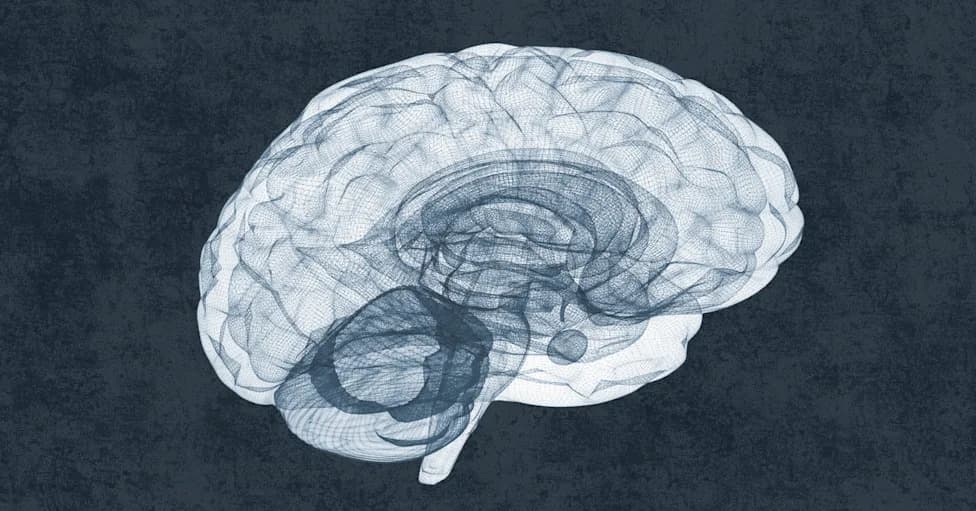
Early studies and anecdotal reports suggest ibogaine acts across multiple neurotransmitter systems and may temporarily increase brain malleability, potentially enabling patients to break addictive cycles and gain new insight into behavior. Many patients describe a short visual or sensory phase followed by an extended introspective phase lasting hours to days.
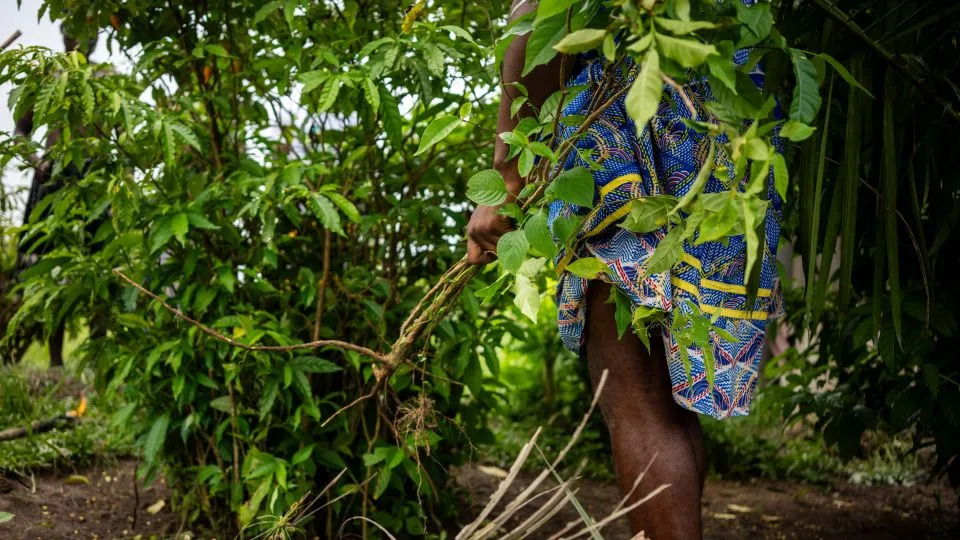
A man pulls iboga roots from the ground, marking the culmination of the sacred harvesting ceremony, in Gabon in February 2025. - Nao Mukadi/AFP/Getty Images
Research, Regulation and Recent Policy Moves
In the United States, ibogaine is currently classified as a Schedule I substance by the Drug Enforcement Administration, meaning it is illegal to possess or prescribe under federal law. Nevertheless, federal policy has shifted recently: an executive order signed in April directed resources toward psychedelic research, including a $50 million allocation to state governments to explore therapeutic potential. The order specifically named ibogaine compounds as promising candidates.
The U.S. Food and Drug Administration has also moved forward on clinical pathways: in April the agency accepted an investigational new drug (IND) application for a medication built on an ibogaine derivative intended to preserve potential therapeutic benefits while reducing hallucinogenic intensity and cardiac risk. Advocates say such steps could allow carefully supervised clinical use if late-stage trials demonstrate safety and efficacy.
Safety Concerns and Reported Harms
Serious safety concerns limit ibogaine's clinical readiness. The drug is known to affect heart electrical activity and, in rare cases, can trigger dangerous arrhythmias, cardiac arrest and sudden death. It can also induce severe nausea and vomiting. Several deaths have been associated with ibogaine treatment, although investigations often cannot definitively separate the drug's role from underlying health problems or other factors.
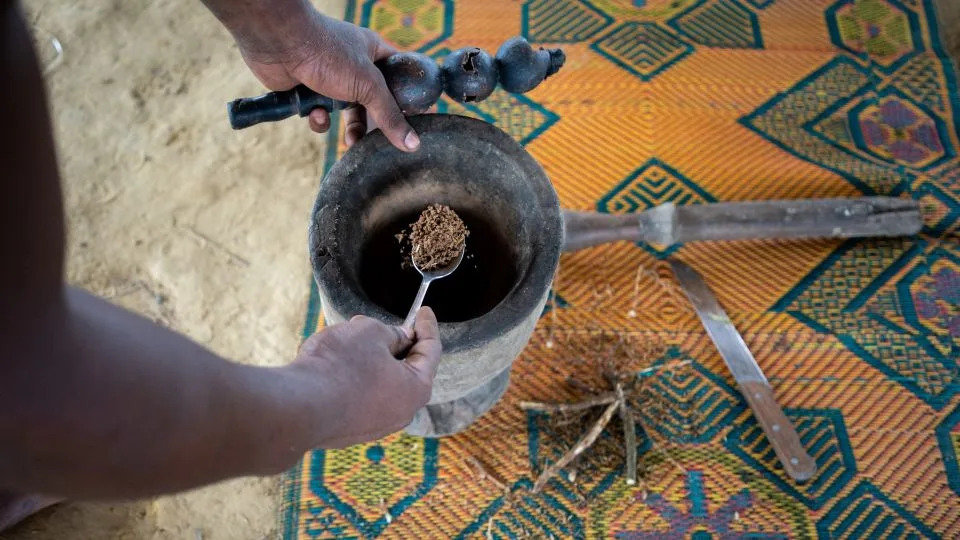
Iboga, the powerful psychoactive root, that has effects similar to LSD, mescaline or amphetamines has long been used by people in Gabon's forests for its sacred and psychotropic properties. - Nao Mukadi/AFP/Getty Images
Experts caution that evidence remains limited and emphasize that mainstream treatments — psychotherapy and approved medications — are still first-line options.
Who Seeks Ibogaine and Where Is It Administered?
A growing number of people, including many military veterans, travel abroad — commonly to Mexico and other countries where ibogaine treatment is offered — because it is not legally available in most of the U.S. Clinics outside regulated settings vary widely in medical screening and monitoring. Costs for overseas treatment can exceed $5,000, and patients considering ibogaine should be aware of the medical and legal risks.
What Patients and Families Should Know
People considering ibogaine should consult qualified medical providers, obtain thorough cardiac and medical evaluations, and be cautious about unregulated clinics. Rigorous, large-scale clinical trials are still needed to establish which patients might benefit, how to mitigate risks, and what clinical protocols would be safest.
Bottom Line
Ibogaine is a potent compound with a complex mix of promise and danger. Federal attention and early-stage clinical developments have reinvigorated research, but the drug is not yet an established, approved therapy. Careful, evidence-based trials and robust safety protocols are essential before ibogaine could become a mainstream medical option.
Help us improve.