Originalism holds that the Constitution should be read according to the public meaning understood by those who adopted it, while living constitutionalism permits judges to adapt the text to contemporary circumstances. The approach regained prominence after Justice Antonin Scalia’s 1986 appointment and is influential among current justices and scholars. Critics point to ambiguous historical evidence and the Constitution’s undemocratic origins; proponents say amendment—however difficult—is the more democratic path. Many originalists call the method the "lesser evil" compared with judicially driven constitutional change.
Originalism Explained: What It Means, What It Doesn’t, and Why Some Call It the ‘Lesser Evil’
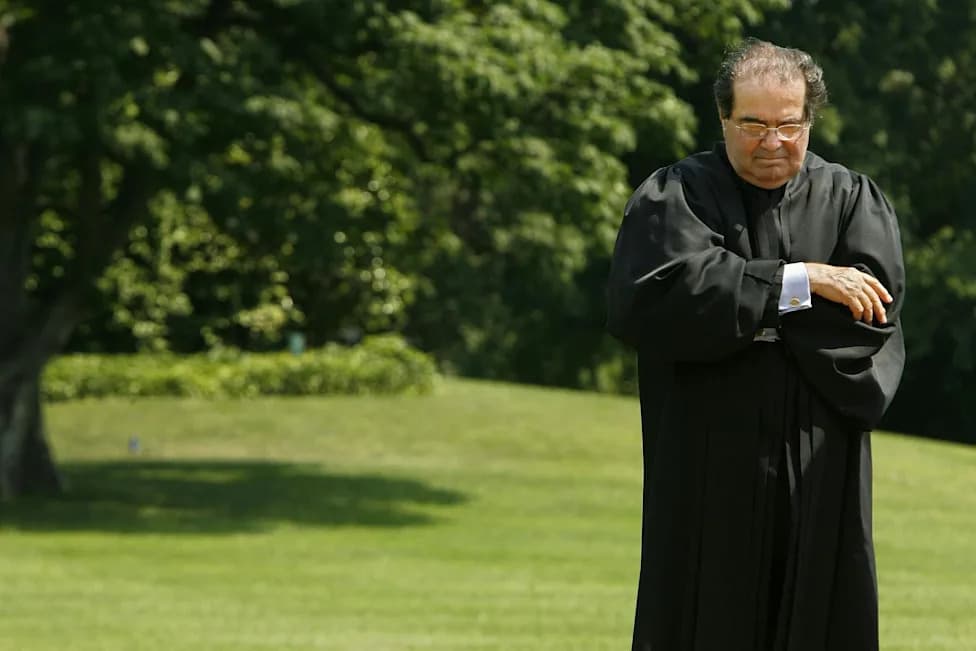
Supreme Court Justice Antonin Scalia, seen here in 2006, was the court's most prominent originalist.Chip Somodevilla/Getty Images
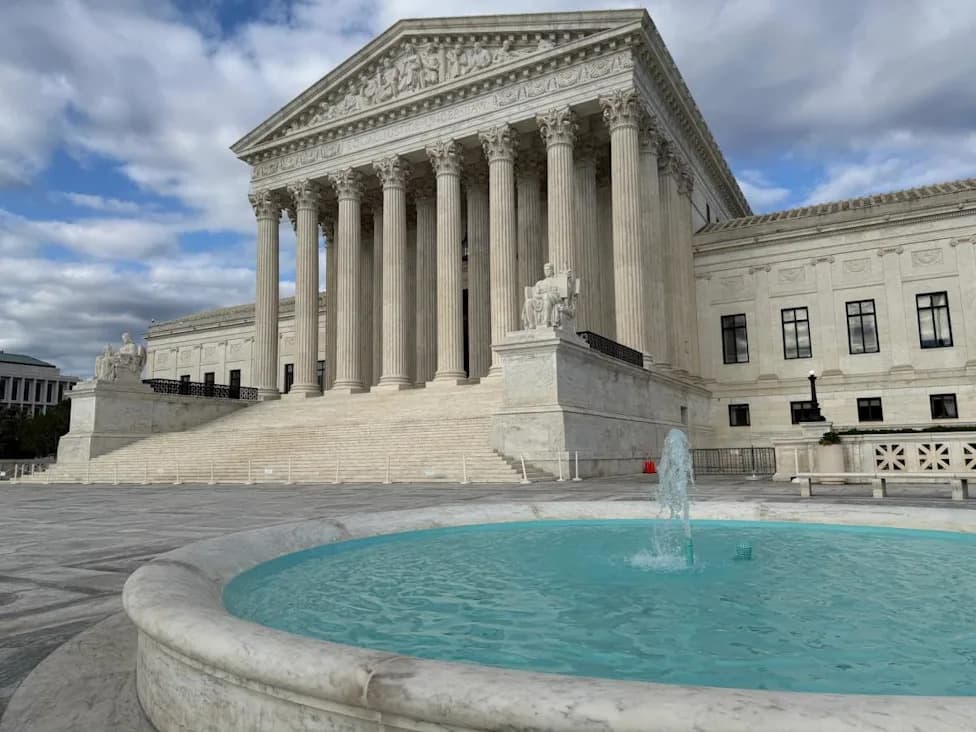
The U.S. Supreme Court reconvenes from its summer recess on Oct. 5, 2026, and with the new term comes renewed attention to a long-running debate: originalism. That interpretive approach—favored in whole or in part by many current justices—continues to shape major constitutional decisions and public discussion about the role of judges.
What Is Originalism?
Originalism holds that the Constitution should be read to mean what those who adopted and ratified it would have understood the text to mean at the time it was written. Under this view, legitimate constitutional change comes through the formal amendment process, not through judicial reinterpretation.
Living Constitutionalism: The Alternative
The principal rival, often called "living constitutionalism," argues that judges must interpret the Constitution in light of contemporary values and circumstances. Proponents say this approach allows the law to adapt to new social, technological, and moral realities without waiting for the often difficult amendment process.
How Originalism Returned To Prominence
Originalism is not a new idea, but it regained influence after Justice Antonin Scalia’s 1986 appointment. Scalia was an articulate and persuasive advocate for originalist methods, and many judges, scholars, and lawyers have adopted or adapted originalist reasoning since then. Today, several justices apply originalist techniques, including Justice Amy Coney Barrett, a former clerk for Scalia.
Common Misconceptions
One persistent myth is that originalists believe the Constitution can never change. In fact, originalists accept change—but insist it should occur through democratic amendment rather than judicial reinterpretation. Another complaint is that originalism is a cover for politically motivated rulings. Yet the record includes notable instances where originalist judges issued rulings contrary to their personal views, such as Scalia’s vote protecting flag burning as free speech.

Among the originalists on the current Supreme Court is Justice Amy Coney Barrett, a former law clerk to Antonin Scalia.Olivier Douliery AFP/Getty Images
“Originalism is the lesser evil.” — A phrase commonly associated with Justice Antonin Scalia, reflecting the view that imperfect historical inquiry is preferable to judicial lawmaking.
Key Criticisms And Originalist Responses
Critics point to several practical and moral problems. Historical evidence can be ambiguous or incomplete, especially when addressing modern issues that had no clear 18th-century analogue—think semiautomatic weapons or digital privacy. Methodological disputes among originalists themselves further complicate matters: they often disagree about which historical sources matter and how to weigh them.
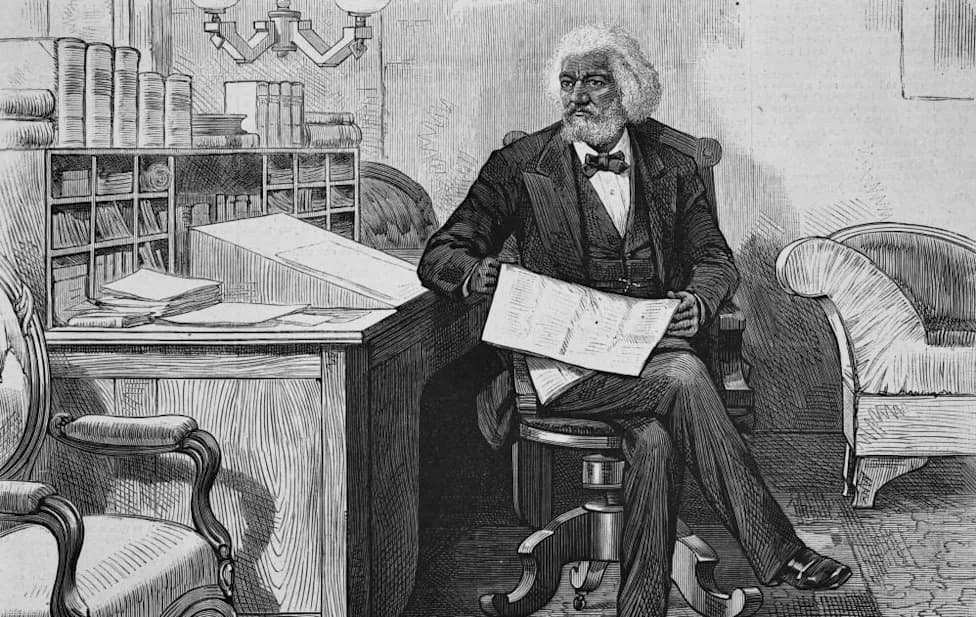
A powerful moral critique notes that the Constitution originated in an era when large groups—most notably Black people and women—were excluded from meaningful political participation. Critics ask how reliance on those historical understandings can claim democratic legitimacy today. Originalists respond that the electorate has since expanded and that, even if some provisions reflect an undemocratic past, the alternative—letting unelected, lifetime-appointed judges rewrite constitutional meaning—is less democratic in their view.
Why Some Call Originalism The "Lesser Evil"
Originalists acknowledge the burdens of relying on historical meaning and of using the amendment process to effect change. Still, many argue that imperfect historical inquiry and difficult amendment rules are preferable to allowing judges to reshape constitutional commitments based on contemporary preferences. For these defenders, the trade-off protects democratic decision-making and institutional humility.
Conclusion
Originalism has grown in influence across the judiciary and legal academy, but it remains contested both in method and in ethics. The debate is not just academic: it affects how courts decide high-profile cases and how the Constitution will respond to future challenges. Whether one views originalism as a sound interpretive method or as a constraint that perpetuates historical injustices depends on one’s priorities about democracy, judicial power, and the role of history in law.
This article is adapted from an essay by Brian Fitzpatrick of Vanderbilt University, republished from The Conversation, a nonprofit independent news organization.
Help us improve.