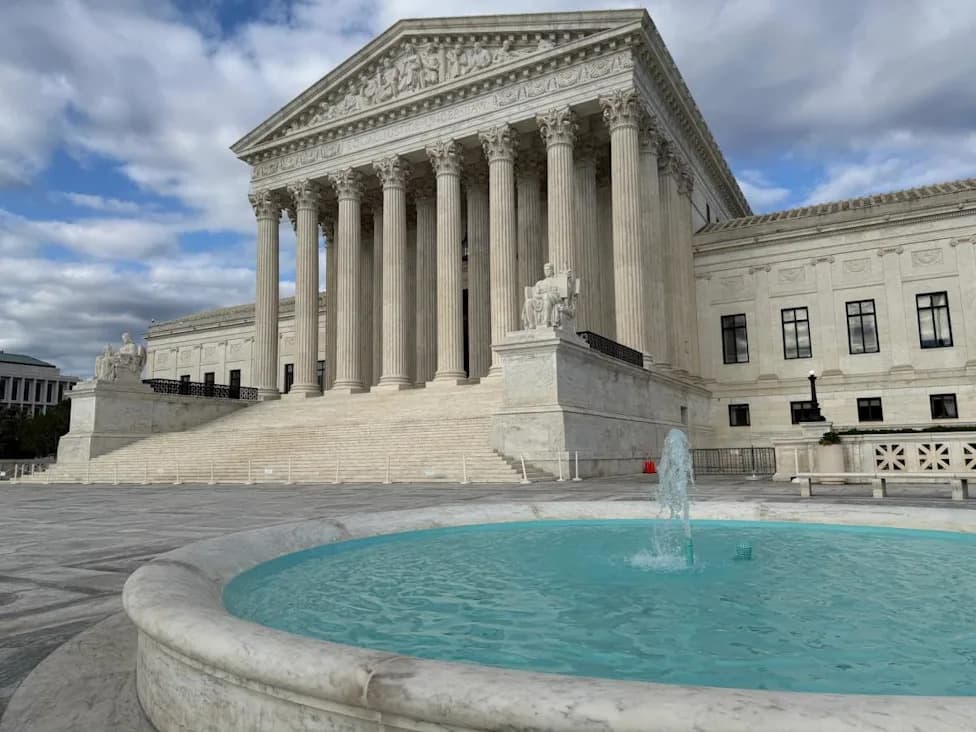
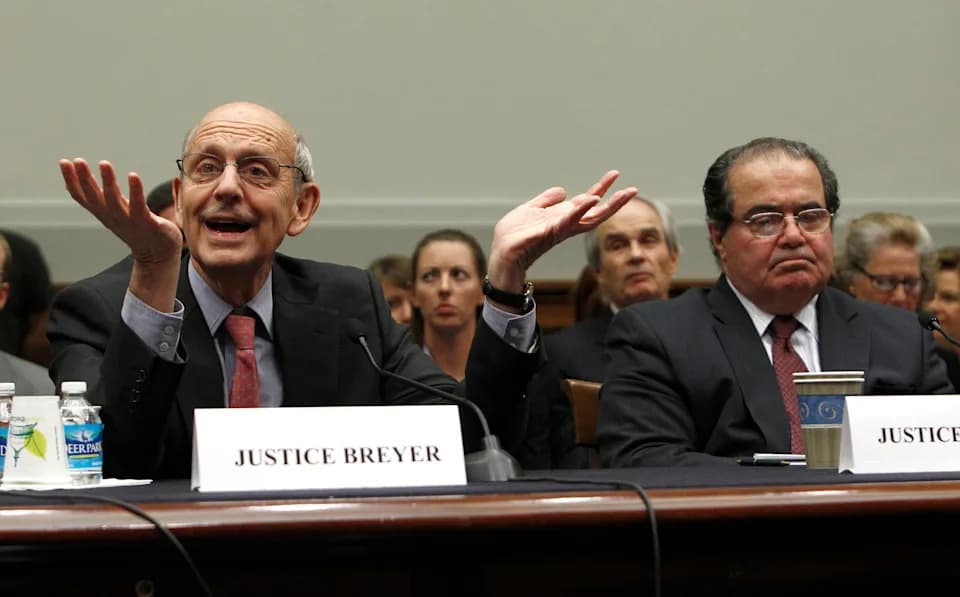
Supremacy argues that the Supreme Court’s authority to strike down federal laws lacks explicit constitutional text and grew through practice. Bowie and Renan propose banning “horizontal review” of federal statutes while preserving “vertical review” of state laws. They trace this argument through key episodes—Dred Scott, Lochner, and Dobbs—and urge Congress to use its powers, including Article III jurisdictional tools, though political obstacles make reform difficult.
Supremacy and Its Discontents: Rethinking Judicial Review and the Court’s Role
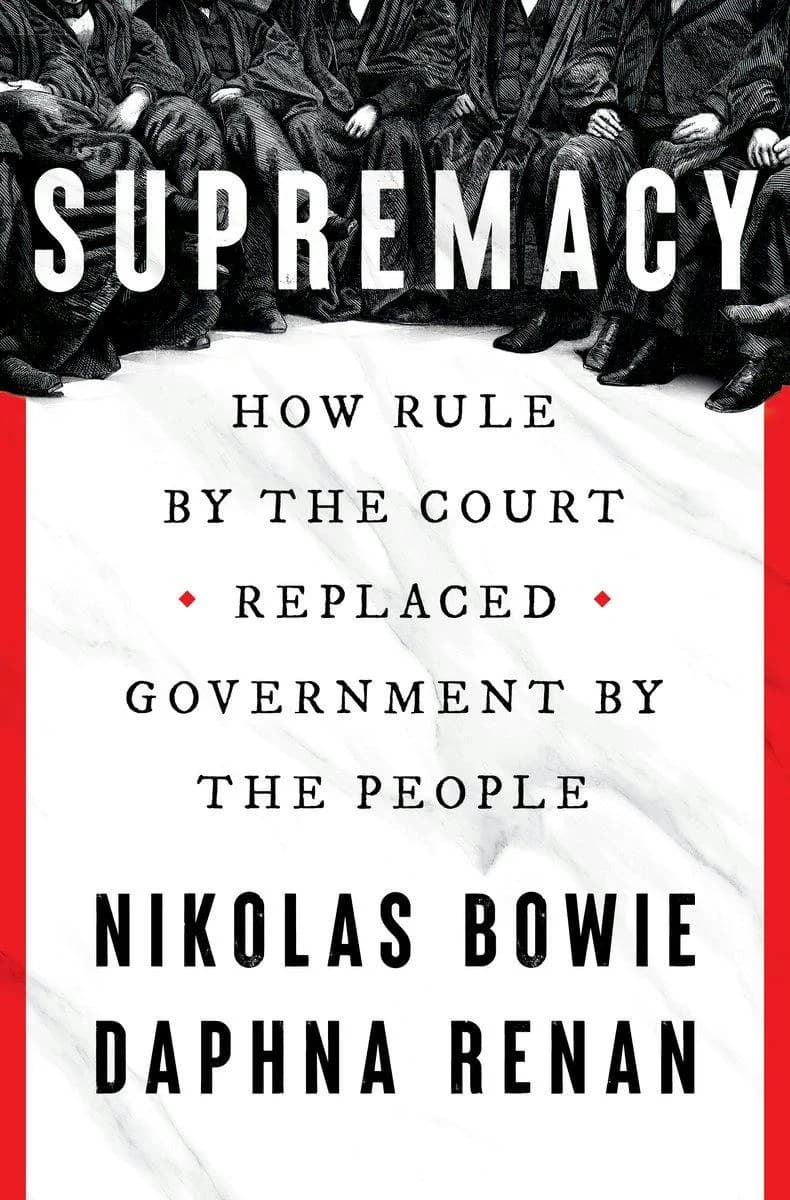
Supremacy, by Harvard law professors Nikolas Bowie and Daphna Renan, argues a striking claim: the Supreme Court’s power to invalidate federal statutes—what we commonly call judicial review—has no explicit textual foundation in the Constitution and developed through practice rather than clear design. The authors propose restoring balance by barring the Court from reviewing federal legislation (“horizontal review”) while preserving its ability to review state laws (“vertical review”).
Origins and Historical Flashpoints
Abraham Lincoln warned in his 1861 inaugural that allowing the Court to strike down laws as unconstitutional could imperil democratic government. He accepted judges’ role in resolving concrete disputes but rejected the idea that the Court should unilaterally declare policy null. Bowie and Renan revisit that critique through episodes such as the 1857 Dred Scott decision, which invalidated the Missouri Compromise and, in their view, exemplified judicial overreach.
The authors trace judicial review’s growth back to contested debates at the 1787 Constitutional Convention. Framers sharply defined the president’s veto power but never settled on a parallel, textually grounded veto for judges. As a result, the Court’s authority to police the constitutionality of statutes emerged through precedent and practice, not a clear constitutional grant.
Horizontal vs. Vertical Review
Bowie and Renan’s core proposal is a structural one: treat Congress and the Supreme Court as equals when it comes to federal legislation. Under their horizontal–vertical distinction, the Court should not second-guess acts of Congress (horizontal review), but it may continue to resolve constitutional challenges to state action (vertical review). The book acknowledges that vertical review permits grievous mistakes, but it maintains that such errors do not justify judicial intervention into federal policymaking.
Illustrative Cases
Key cases animate the argument. Lochner (1905) — in which the Court struck down a state labor law — provoked progressive efforts to curb judicial power. Dred Scott exemplifies judicial nullification of Congress’s choice, and Dobbs (2022) highlights how vertical review can decisively affect state law. Bowie and Renan show that critics of judicial supremacy have regularly shifted positions depending on whether the Court’s rulings aligned with their politics.
Constitutional Tools and Political Limits
The authors point to underused constitutional mechanisms. Article I’s “necessary and proper” and the Reconstruction Amendments’ authorization for “appropriate” legislation are policy-laden phrases that, they argue, invite democratic judgment. Article IV’s Guarantee Clause — the promise of a “Republican Form of Government” — is presented as a potential constraint on judicial power. Perhaps most concretely, Article III gives Congress some power to define federal-court jurisdiction, including the possibility of excluding certain subjects from Supreme Court review.
But Bowie and Renan are realistic about politics. Congressional options—passing nationwide protections, using Article III jurisdiction-stripping, or legislating on issues the Court declines to address—face severe obstacles: gerrymandered House majorities, a filibuster-encumbered Senate, and deep partisan polarization. Historical attempts to curb the Court’s reach (from Progressive-era referenda proposals to post–Civil War jurisdictional debates) show both precedent and the difficulty of translating theory into durable reform.
Why It Matters
The book reframes modern complaints about a powerful unelected judiciary as part of a long American conversation about who should make the hardest public-policy choices. Whether one agrees with Bowie and Renan’s remedy, their argument forces a candid question: if judicial review is a practice rather than a textual right, should elected institutions reclaim disputed terrain—or accept the Court’s role as final arbiter?
Bottom line: Supremacy reignites a debate about democratic accountability, institutional balance, and the practical barriers to reforming a power that has shaped U.S. law and politics for two centuries.
Help us improve.