Scientists report that the gentoo penguin complex actually comprises four genetically distinct lineages and have named a previously unknown species, Pygoscelis kerguelensis, from the Kerguelen Islands. This is the first penguin species described since 1921. Genomic differences correspond to ecological adaptations—southern gentoos show cold-adapted genes, while eastern gentoos have genes supporting diving and energy efficiency. Models predict severe habitat losses for three lineages, prompting urgent conservation calls.
Scientists Identify New Gentoo Penguin Species — First Penguin Discovery in Over a Century
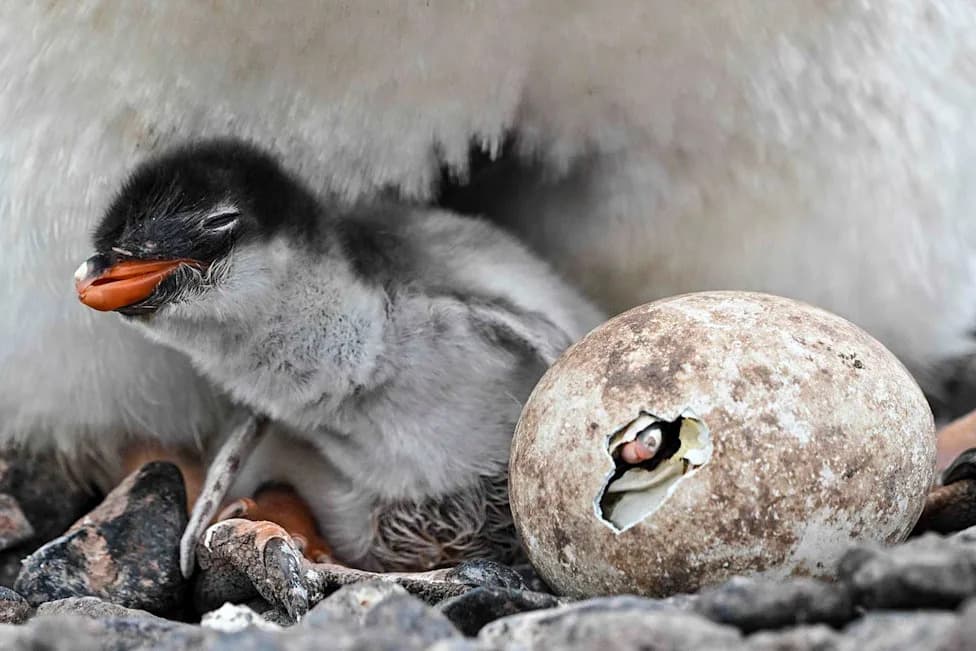
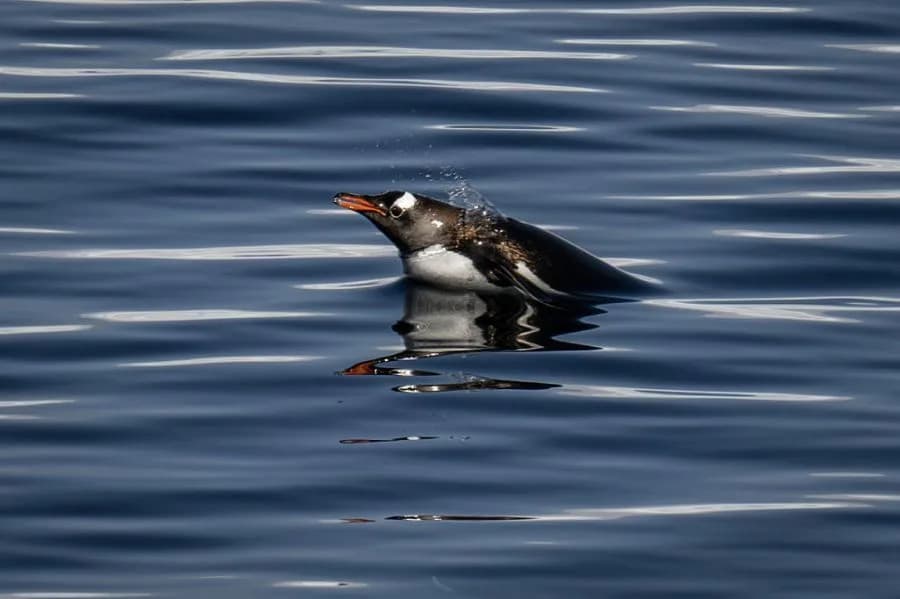
A gentoo penguin at Paradise Bay in the Gerlache StraitCredit: JUAN BARRETO/AFP via Getty
Researchers have identified a previously unrecognized gentoo penguin lineage, naming it Pygoscelis kerguelensis. Found on the remote Kerguelen Islands in the southern Indian Ocean, this discovery marks the first penguin species described by scientists since 1921.
The finding, published in Communications Biology by a team led by Chilean researchers and biologists from the University of California, Berkeley, reveals that what was long considered a single gentoo species actually comprises four distinct evolutionary lineages: northern, southern, southeastern and eastern.
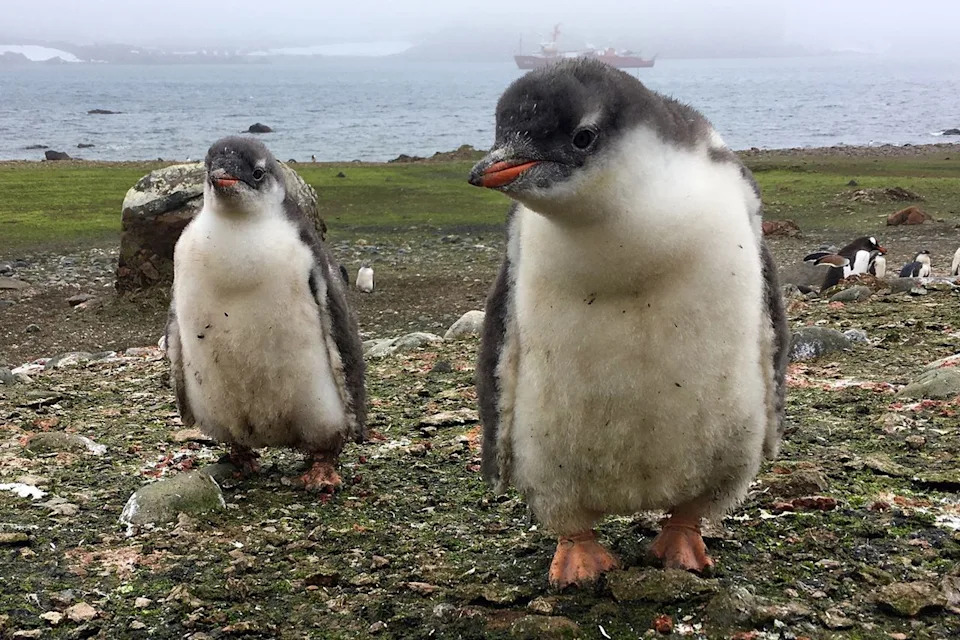
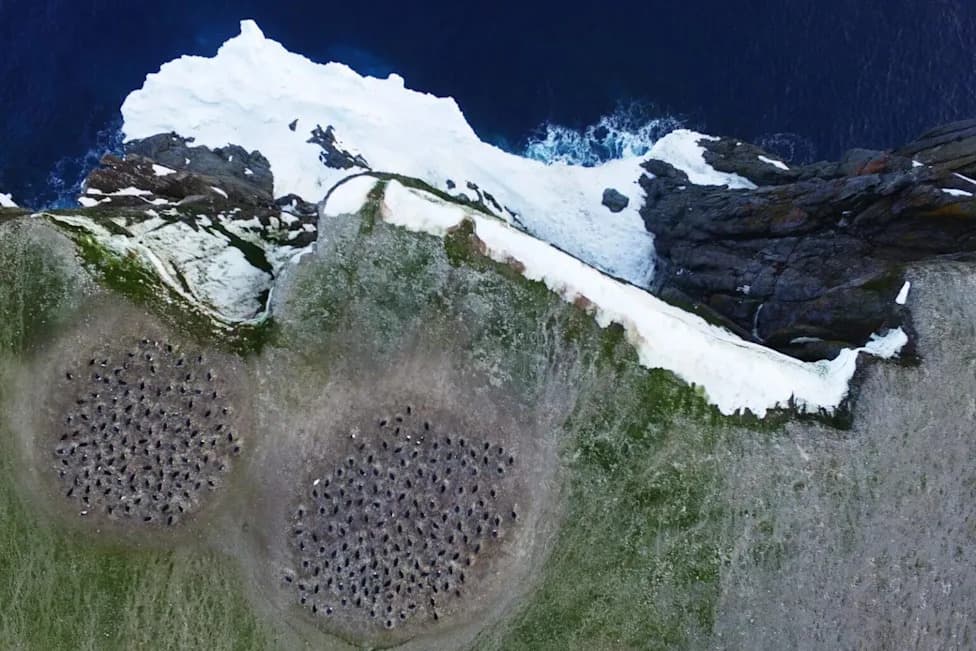
Gentoo penguins on Ardley Island, AntarcticaCredit: MATHILDE BELLENGER/AFP via Getty
Where Each Lineage Lives
The northern gentoo (Pygoscelis papua) breeds on the Falkland Islands and Martillo Island. The eastern gentoo (Pygoscelis taeniata) is found on island groups such as the Crozet, Marion and Macquarie islands. The newly described southeastern gentoo, Pygoscelis kerguelensis, inhabits the Kerguelen Islands about 1,200 miles north of Antarctica. The southern gentoo is the only one of the four that occupies parts of Antarctica.
Genetic Differences and Ecological Adaptations
Although the gentoo lineages look similar in appearance, genomic analyses uncovered functional genetic differences that align with their habitats. The southern lineage displays more genes associated with heat generation, fat and lipid storage, and light perception—traits consistent with cold, polar environments. The eastern lineage carries more genes linked to enhanced diving capacity and energy-efficient carbohydrate metabolism, which may support different foraging strategies.
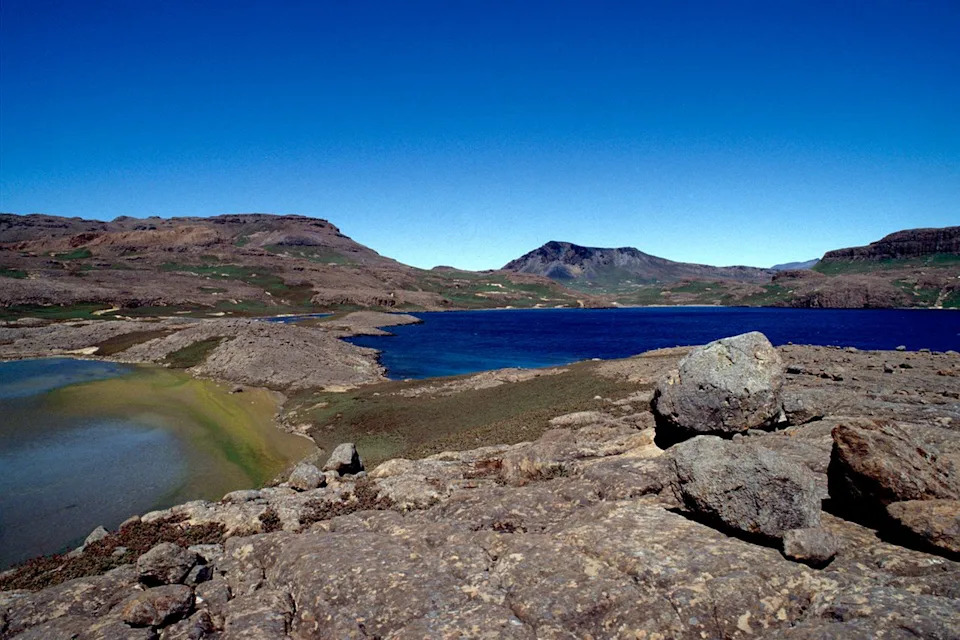
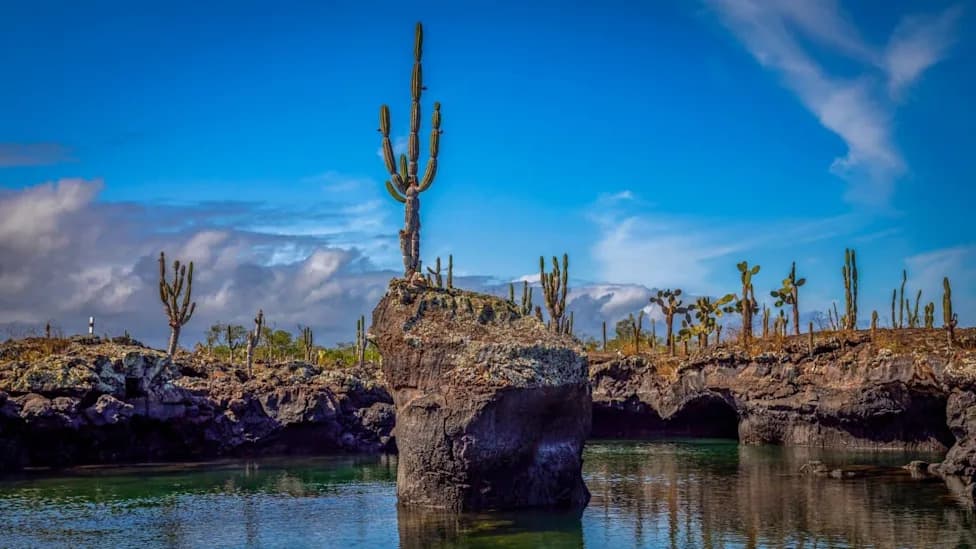
The Kerguelen IslandsCredit: Michel LE COZ/Gamma-Rapho via Getty
"In the sub-Antarctic region the gentoo is of particular concern," said Juliana Vianna, a senior author of the study and a professor at Andrés Bello National University in Santiago, Chile.
Conservation Outlook
Model projections in the study indicate that three lineages—the southeastern (P. kerguelensis), northern and eastern gentoo penguins—face "severe habitat losses" as climate change and warming oceans alter sub-Antarctic environments. By contrast, the southern gentoo may be able to expand its range under some scenarios. The authors call for coordinated conservation action to protect the vulnerable lineages and their habitats.
This discovery not only revises our understanding of gentoo diversity but also underscores the importance of genomic research and targeted conservation planning for species facing rapid environmental change.
Help us improve.