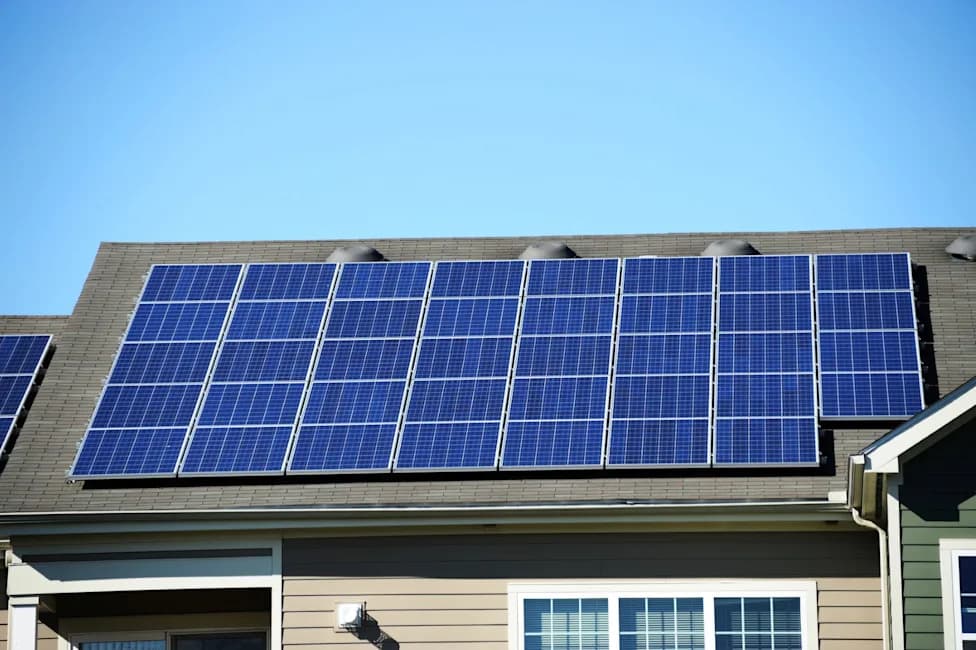
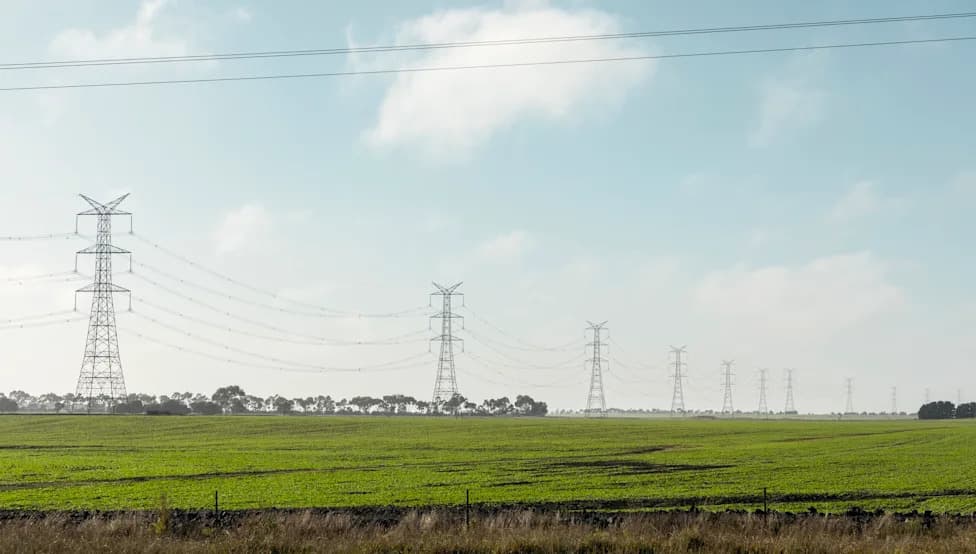
Germany produced 90.2 TWh of solar electricity by Sept. 27—exceeding the 90.0 TWh generated in the whole of 2025—and is poised for a record year, BSW-Solar said. Strong sunshine, expanding PV capacity and increasing battery storage supported the surge. In H1, solar supplied 17.8% of grid electricity and renewables overall provided 59.1%. The association warned that planned 2027 EEG and grid-package changes, including ending permanent subsidies for sub-25 kW systems, could curb future investment.
Germany's Solar Output Hits Record: 90.2 TWh by Sept. 27, Surpassing 2025 Total
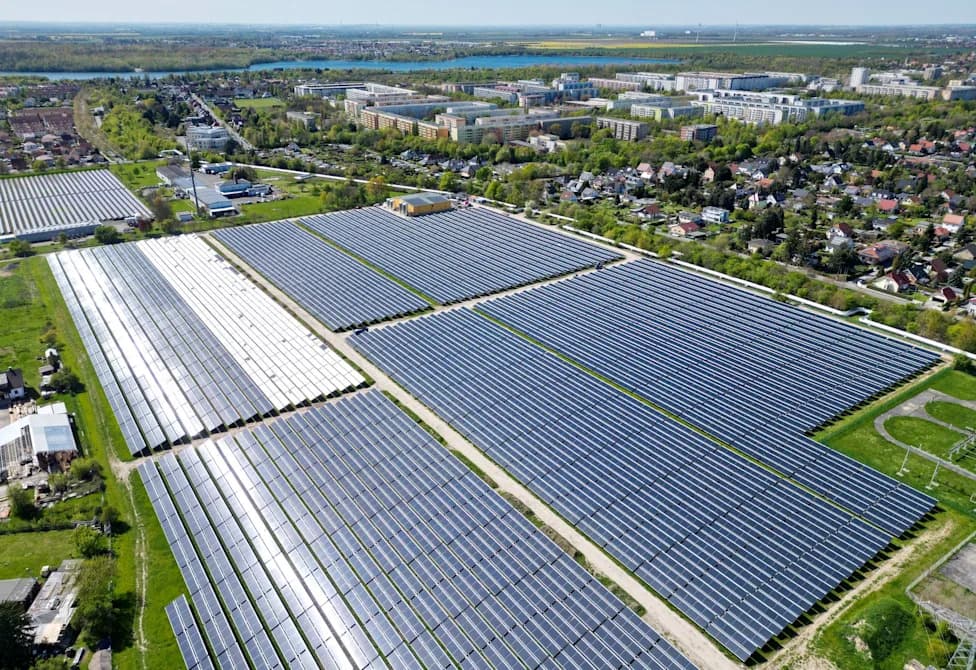
FILE PHOTO - An aerial view taken with a drone of the collectors of what is currently Germany's largest solar thermal plant in Leipzig. (is associated with: «Solar energy production at record levels in Germany») Hendrik Schmidt/dpa
Germany has already produced 90.2 terawatt hours (TWh) of solar electricity this year by Sept. 27—surpassing the 90.0 TWh generated in the whole of 2025—and is on track for a record annual total, the German Solar Industry Association (BSW-Solar) said, citing data from the Fraunhofer Institute for Solar Energy Systems.
Why Output Rose
BSW-Solar attributed the milestone to an unusually high number of sunshine hours this year and the continued expansion of photovoltaic (PV) capacity across residential, commercial and open-land sites. Battery storage is also playing an increasingly important role in smoothing and integrating growing volumes of solar generation into the grid.
“Solar energy has long since ceased to be a niche technology. It is citizens' energy, business energy and a key pillar of our electricity supply,” said BSW-Solar chief executive Carsten Körnig.
Renewables in the Mix
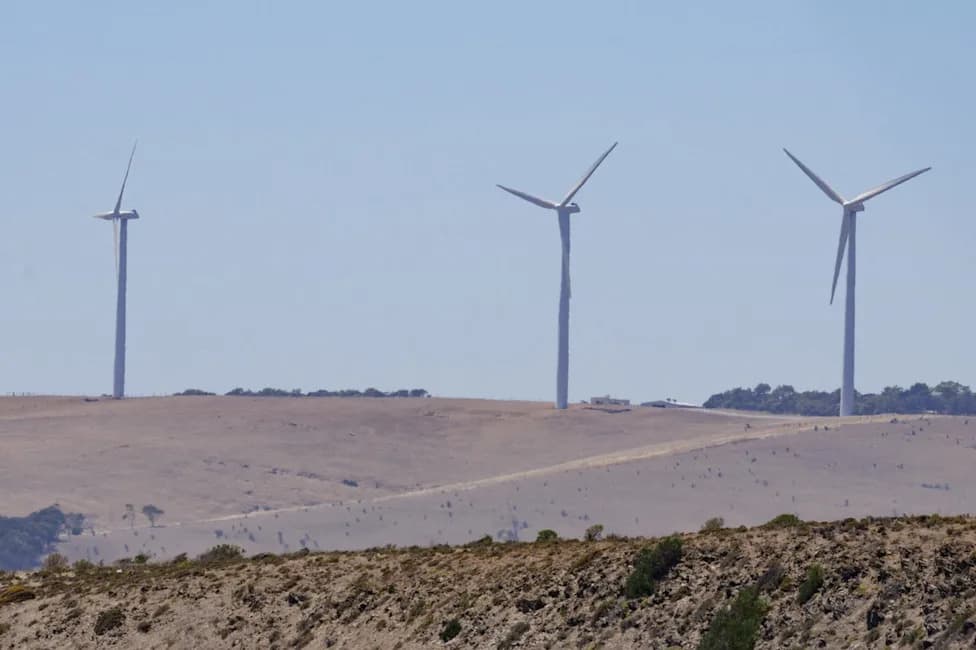
Renewable electricity generation as a whole continues to grow in Germany. According to the Federal Statistical Office, solar power accounted for 17.8% of the electricity fed into the grid in the first half of the year—up 3.5 percentage points from the same period last year. Wind power remained the largest single source at 29.4%, and renewables collectively supplied 59.1% of grid electricity in the first six months.
Policy Risks and Investment Concerns
Despite the record, the industry warned that planned changes to the Renewable Energy Sources Act (EEG) and a related grid package due in 2027 could introduce new investment barriers. The proposed measures aim to align renewable expansion with cost efficiency, security of supply and actual grid capacity, and would also shift to more regional management of projects. Under the plan, small PV installations under 25 kilowatts—mostly privately owned systems—would lose their permanent subsidies from 2027, a change the association says could dampen citizen and business investment.
How Photovoltaics Are Deployed
Photovoltaic generation in Germany spans several segments:
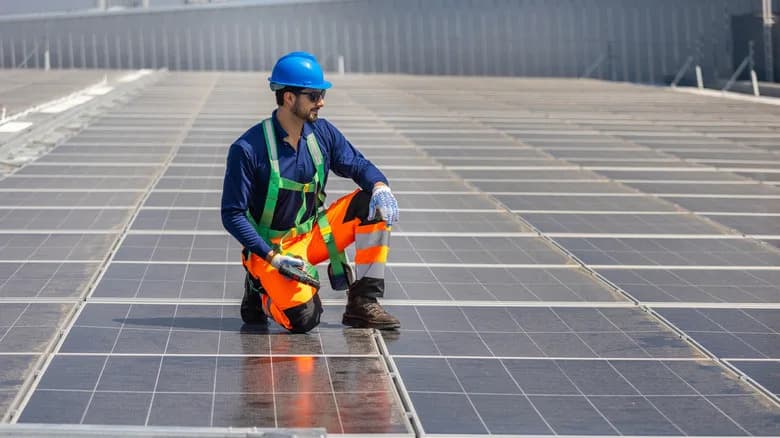
- Rooftop Installations: The most widespread, on private and commercial buildings; modules are increasingly integrated into facades and roof elements.
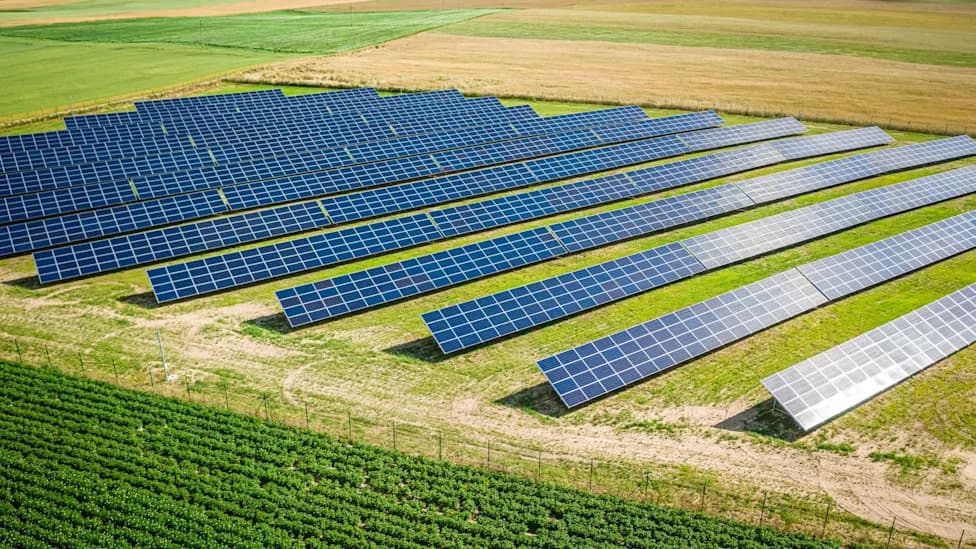
- Open-Land Farms: Utility-scale arrays on fields and alongside infrastructure such as motorways.
- Agri-Photovoltaics (Agri-PV): Dual-use systems that combine crop or fruit production (e.g., hops) with electricity generation; some projects also integrate livestock like sheep grazing under panels.
- Floating PV: Arrays installed on bodies of water, such as former gravel pits, which can reduce land use conflicts.
Outlook
The record underscores how rapidly solar is scaling up in Germany and the important role of storage in balancing supply. Industry leaders say policymakers must avoid measures that would slow citizen and business investment if Germany is to continue expanding clean electricity while maintaining grid stability and cost effectiveness.
Help us improve.