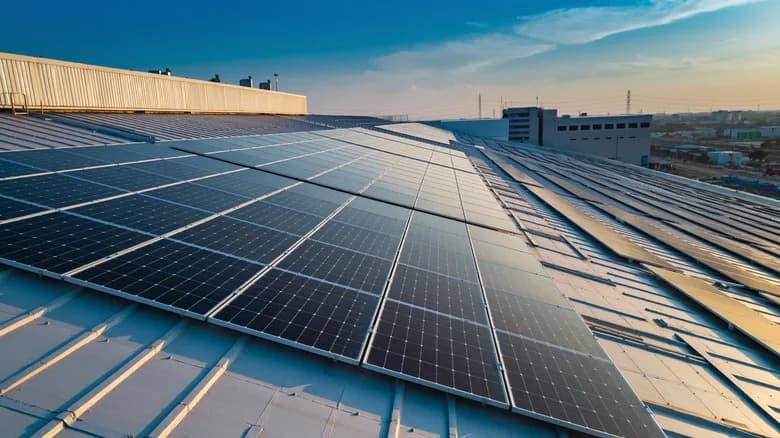
Australia's National Electricity Market hit roughly 80% renewable generation on Sept. 18–19, led by a surge in rooftop solar that briefly supplied over half of demand. Short-interval readings peaked at 80.1% on Sept. 18 and AEMO recorded 80.4% on Sept. 19, with renewables producing about 26,316 MW versus just over 2,000 MW from fossil fuels. Experts say continued investment in solar, wind, transmission and storage will be needed to make such milestones more consistent.
Australia’s Grid Tops ~80% Renewables Two Days Running as Rooftop Solar Briefly Meets Over Half Demand
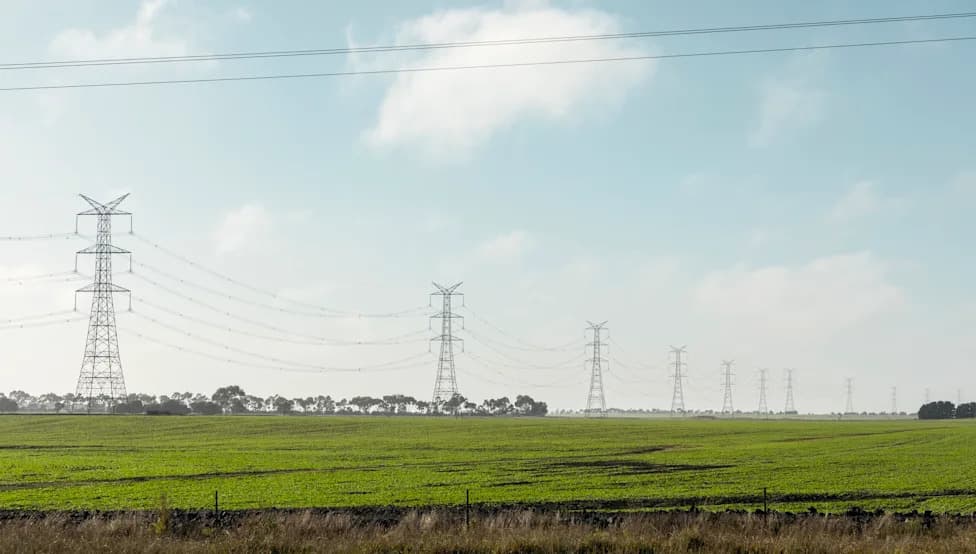
Photo Credit: iStock
Australia's National Electricity Market (NEM) recorded roughly 80% renewable generation on Sept. 18–19, driven by an extraordinary surge in rooftop solar that for a short period supplied more than half of total demand.
Five-minute dispatch data on Sept. 18 showed renewables at about 79.5% around 1:30 p.m., with short-interval readings peaking at 80.1%, according to reporting in The Independent. That afternoon rooftop solar provided 47.9% of generation and utility-scale solar contributed another 22.1%. Brown and black coal together supplied roughly 20% and gas remained below 1%. In aggregate, renewables produced about 26,316 megawatts compared with just over 2,000 megawatts from fossil fuels.
On Sept. 19 the Australian Energy Market Operator (AEMO) logged a renewable share of 80.4%. For roughly 30 minutes around midday rooftop solar met over 50% of demand, with the remainder largely supplied by utility solar, wind farms and a small contribution from hydropower.
University of New South Wales researcher Dylan McConnell told The Guardian: "These records are probably not going to last very long; they're probably going to be broken in the next couple of weeks."
Federal Energy Minister Chris Bowen wrote on Facebook that the figures represented "more clean, cheap, sovereign energy powering our homes and businesses than ever before," and noted the shift reduces pollution and exposure to volatile fuel prices.
Renewable penetration is highly variable: renewables averaged 46.5% in the NEM in the first quarter of the year and 42.1% across the three months to June, underscoring seasonal and demand-driven swings.
What This Means
Experts say sustaining and increasing these milestones requires continued investment in new solar and wind capacity, stronger transmission links, and increased storage—both grid-scale batteries and distributed home systems—to manage variability and preserve reliability.
For homeowners, adding rooftop solar and battery storage can cut energy bills, provide backup during outages and help integrate more clean energy into the grid. Services such as EnergySage and similar marketplaces can help homeowners compare quotes and estimate installation costs.
Related Coverage
- A battery boom is helping steady an increasingly volatile, solar-heavy power market in Australia.
- An AI system is enabling rooftop solar adoption in apartment buildings previously left out.
- Gold Fields is building its largest solar farm in Western Australia to power a major mine.
- About 6,000 sheep are thriving beneath one million solar panels in New South Wales.
- Globally, costs for wind, solar and storage continue to fall as deployment accelerates.
These two days of exceptionally high renewable output highlight how quickly the energy mix is changing in Australia—but also how important policy, planning and investment will be to make high-renewable days reliable and routine.
Help us improve.