A French modelling study led by Hillary Minka suggests that supplementing fixed AEDs with drone delivery could cut average AED arrival times by 3.76 minutes. The simulations indicate 95% of cardiac arrest victims near Paris could be reached within five minutes versus the current 30–40% with foot or road transport. Researchers stress drones would supplement—not replace—bystanders or emergency teams, and that better public AED placement remains essential. The study is simulation‑based, not yet peer‑reviewed, and real‑world trials are planned.
Drones Could Deliver Defibrillators Nearly 4 Minutes Faster, French Study Finds
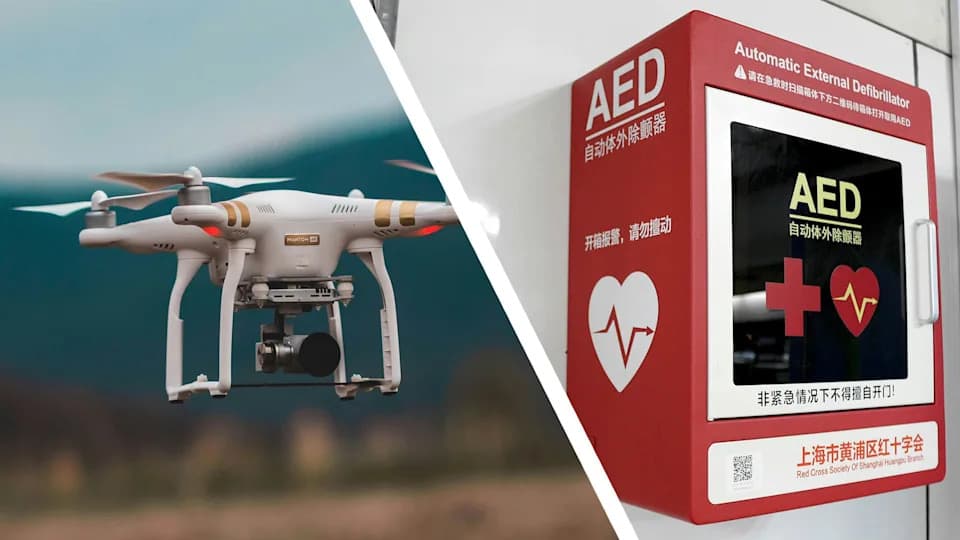
Drones and defibrillators could soon be combined more often. | Credit: Jared Brashier / PL / Unsplash
Researchers in France have modelled how rapid drone delivery of automated external defibrillators (AEDs) could shorten response times to out‑of‑hospital cardiac arrests and potentially improve survival.
Led by emergency physician Hillary Minka of Lariboisière Hospital, the team added simulated drone dispatch to the existing network of fixed AEDs around Paris. Their models indicate that drone delivery could reduce average device arrival time by 3.76 minutes. With drones supplementing current resources, the simulations showed that 95% of cardiac arrest victims could be reached within five minutes, compared with the present 30–40% coverage when devices are transported on foot or by road.
The study also highlights the importance of AED placement. Improving the geographic distribution of publicly accessible AEDs would both raise coverage and reduce the number of additional units required, given the drone range modelled at about 3,900 metres (12,795 feet). The researchers estimate that combining better AED placement with drone delivery could lift five‑minute coverage to approximately 99.4%.
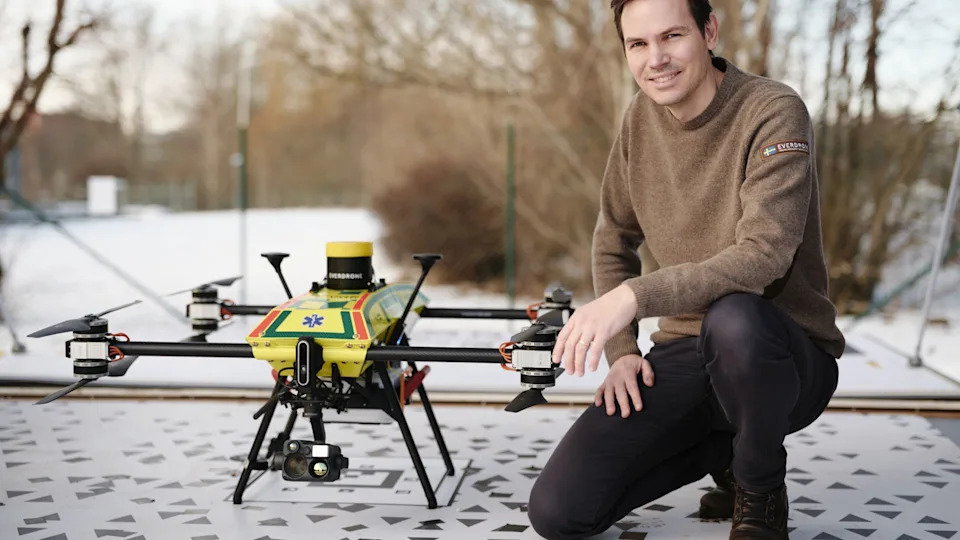
Everdrone already deploys medical drones in Sweden | Credit: Everdrone
"Drones will never replace bystanders, resuscitation efforts or emergency medical teams," says Minka. "However, they could represent an additional link in the chain of survival and help make defibrillation available more quickly."
Important caveats: the analysis is based on simulations and modelling only—no drones were actually flown—so day‑to‑day operational factors such as weather, airspace restrictions, battery failures or bystander interaction were not included. The work has not yet been peer‑reviewed but was presented at the European Emergency Medicine Congress 2026 in Paris.
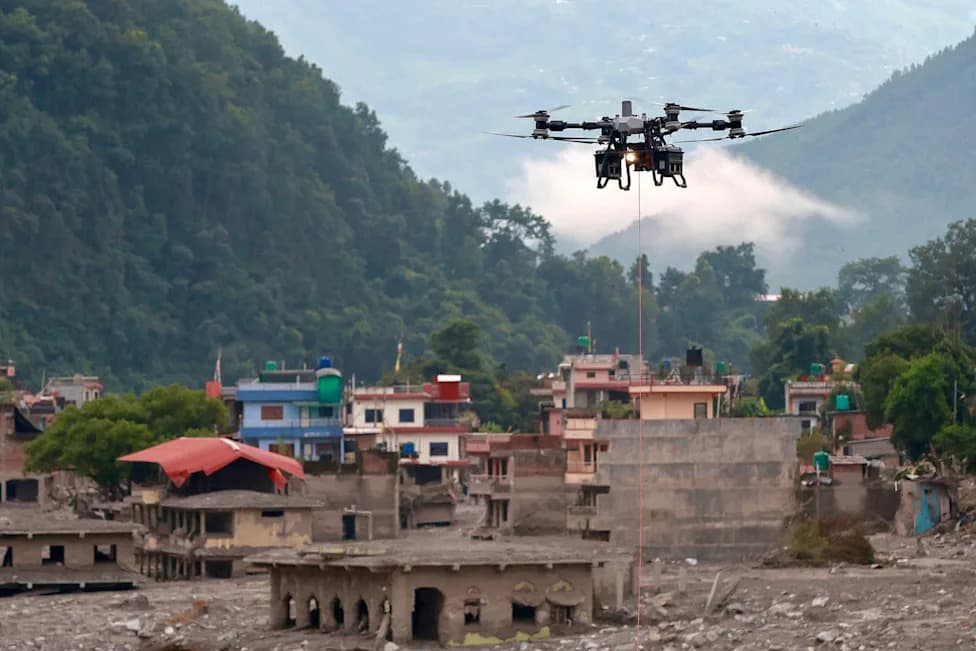
Drones are already being used to deliver medical equipment, including defibrillators, in parts of Sweden, and the French team plans to move to real‑world trials to test the approach under operational conditions.
Context: Out‑of‑hospital cardiac arrest survival remains low—fewer than one in ten patients survive in many settings—so faster access to defibrillation and improved bystander response remain critical priorities for saving lives.
Help us improve.