Persistent drone threats are forcing Ukrainian troops to remain longer at the front and making casualty evacuation slower and more dangerous. Ukraine's 1st Separate Medical Battalion urges moving diagnostics, outpatient services and specialist care closer to frontline units, while relying more on ground robots for casualty retrieval. Medical equipment for the front must be rugged, mobile and easy to maintain. NATO and Western industries are seeking technologies to save lives in drone-saturated battlefields.
Drones Are Forcing Medical Care Forward: Ukrainian Units Call for Frontline Diagnostics and Robots
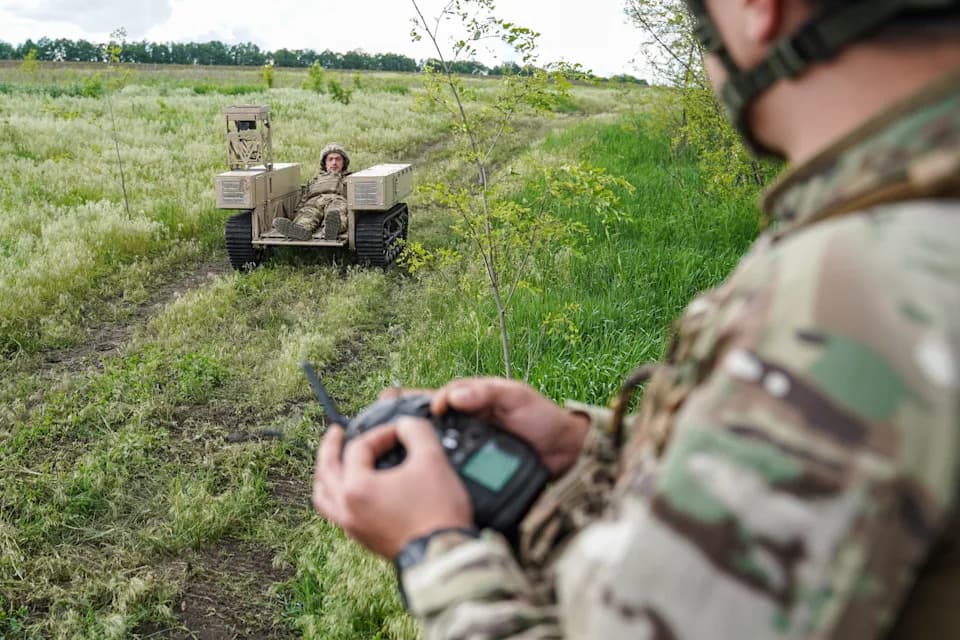
Ukrainian soldiers are increasingly using ground robots for casualty evacuations.Frédéric Pétry/Hans Lucas via Reuters Connect
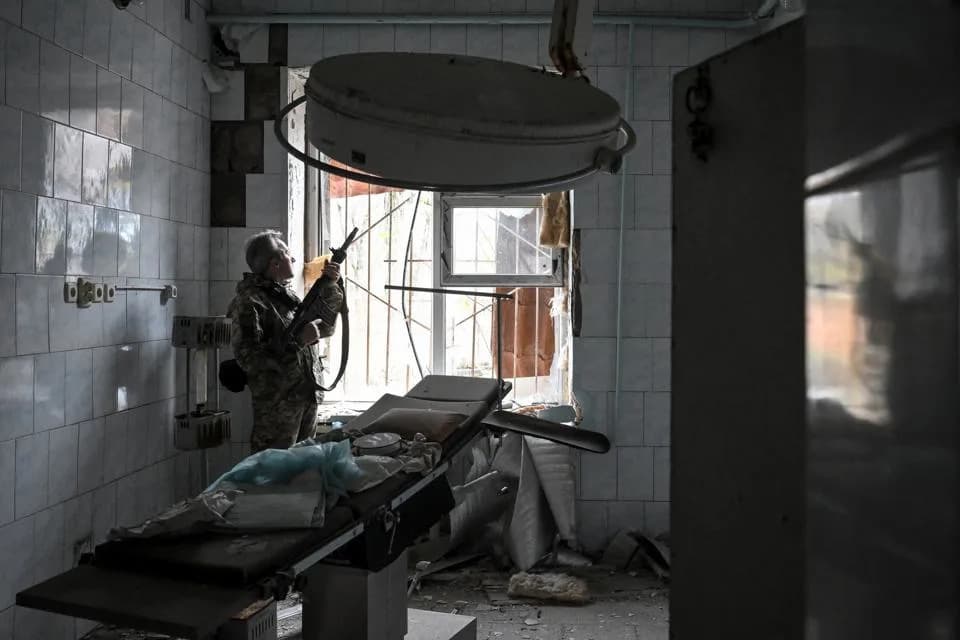
Russian and other unmanned aerial systems are reshaping battlefield medicine in Ukraine: persistent drone threats are keeping troops at the front longer, making routine casualty evacuation riskier and slower. Units that specialize in front-line casualty evacuation say medical support must move closer to fighting formations — not only to stabilize the wounded but to provide outpatient care, diagnostics and specialist treatment without forcing soldiers to withdraw from their positions.
Drones Expand The 'Kill Zone' And Slow Evacuations
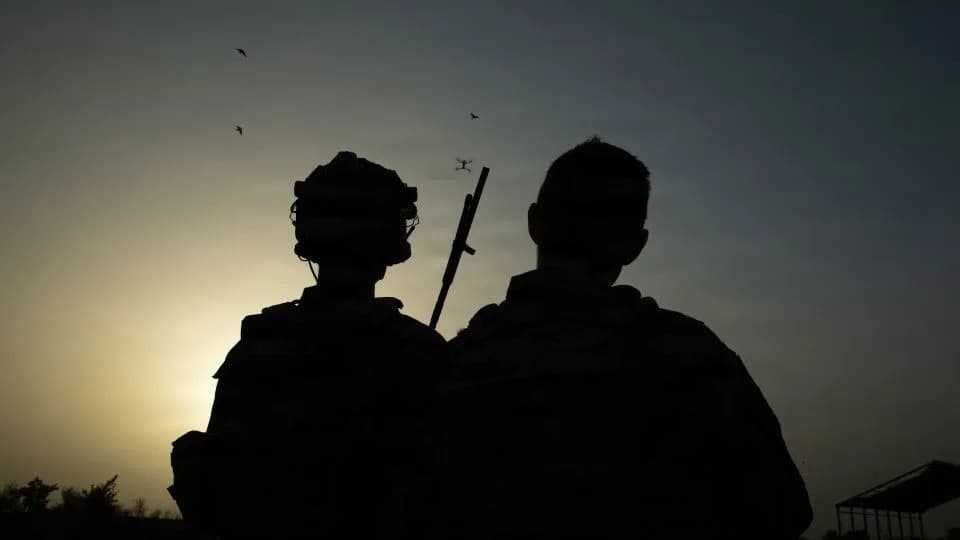
Ukrainian commanders and frontline soldiers describe stretches of the line of contact as a 'kill zone' where drones constantly observe and can precisely target anything that moves, including personnel and armored vehicles. This persistent aerial saturation has made even short movements perilous, delaying retrieval of the wounded and often preventing evacuation within the critical golden hour after severe injury.
Forward Care And Mobility Are Now Priorities
Ukraine's 1st Separate Medical Battalion, speaking on condition of anonymity for security reasons, says modern combat medicine is evolving in two directions: a greater use of machines to perform high-risk tasks and evacuations, and moving higher-quality medical capabilities closer to fighting units. That means forward outpatient services, diagnostics, specialist consultations and treatment for chronic and acute conditions must be available without requiring soldiers to leave contested areas.
'We must bring care forward and make our medical platforms more mobile and less visible,' a battalion spokesperson said in translated remarks. 'The equipment we send forward must be rugged, autonomous, easy to maintain and supported by a reliable logistics chain.'
Robots, Rugged Equipment And Revised Evacuation Concepts
Ground robots and unmanned platforms are increasingly used to retrieve casualties and carry out logistics, removing crews from direct danger. However, the battalion emphasizes that the most technologically advanced device is not always the best fit — frontline systems must tolerate austere conditions and be simple to operate and repair. In many cases, a reliable, self-sufficient device is more valuable than a delicate, feature-rich system that lacks battlefield suitability.
Wider Implications
Heavy drone saturation in Ukraine challenges assumptions developed in post-9/11 conflicts, where air superiority and helicopters enabled rapid evacuation to large medical hubs. Western planners and NATO have taken note: they are seeking medical and defense industry solutions that preserve life in drone-saturated environments, including forward-deployable diagnostics, telemedicine links for specialist consultation, and unmanned casualty extraction systems.
Bottom line: The combination of persistent aerial threats and expanding unmanned systems is forcing militaries to rethink where and how they deliver care — prioritizing mobility, ruggedness and forward availability over pushing every casualty to rear-area hospitals.
Help us improve.