Nepal is using four DJI FlyCart 100 cargo drones donated by China to deliver supplies and recover bodies after a glacier collapse on August 26 severed roads and access in the Nepal–Tibet border region. The drones are flying about 10–16 sorties daily, carrying roughly 132 lb (60 kg) per trip; they moved 3,508 lb of food in 31 flights, officials say. As of September 9, the confirmed death toll is 1,369 and more than 5,000 people remain unaccounted for. The response highlights how drones and other technologies are shaping disaster relief in remote, climate‑vulnerable terrain.
Chinese-Donated Cargo Drones Aid Nepal Flood Relief: Delivering Supplies and Recovering Victims
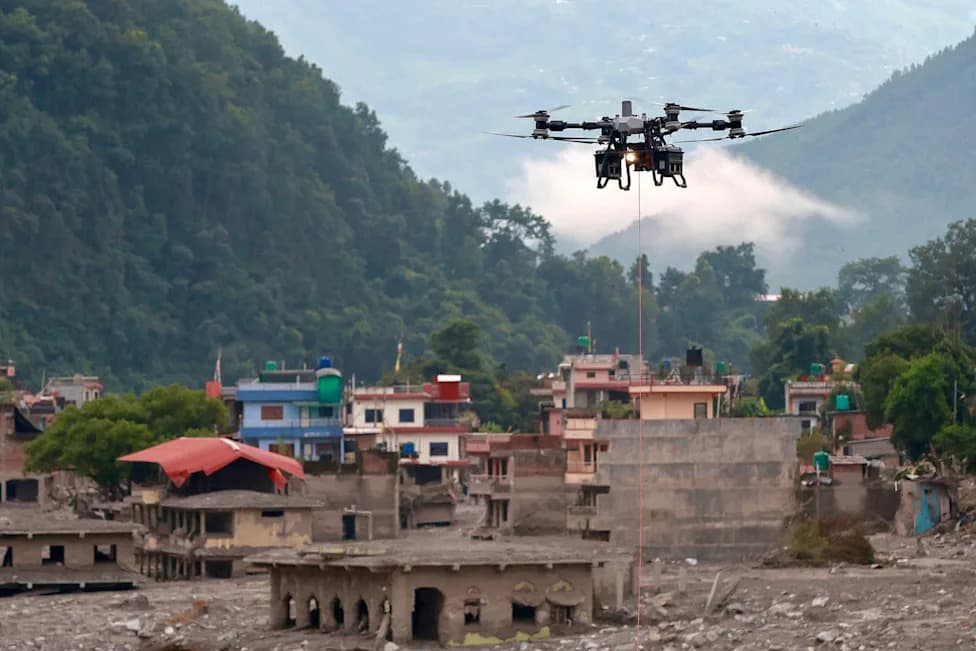
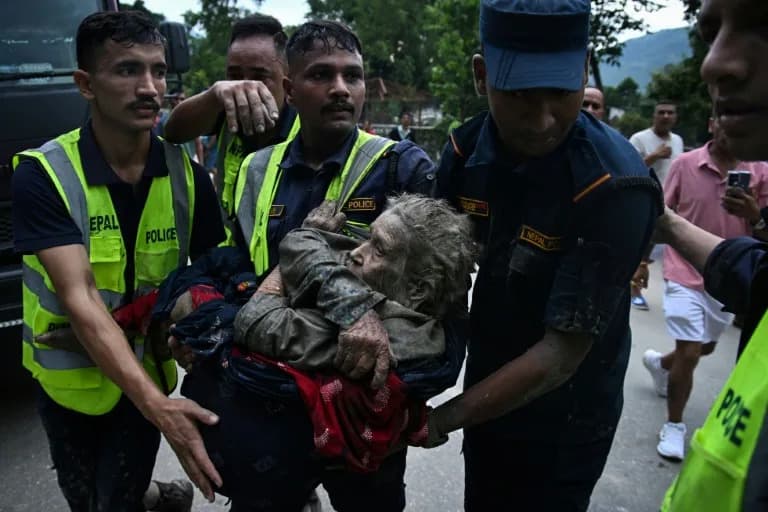
Photo Credit: Getty Images
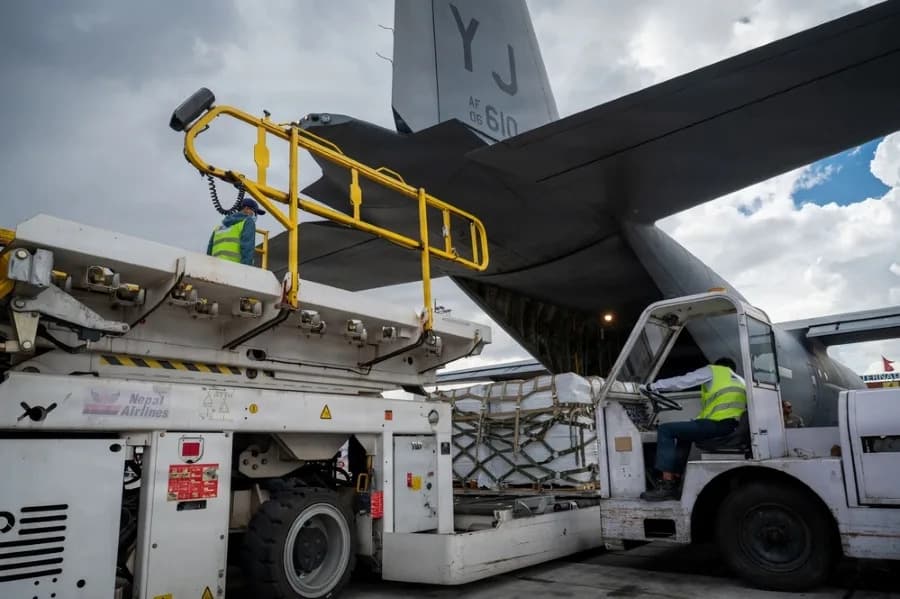
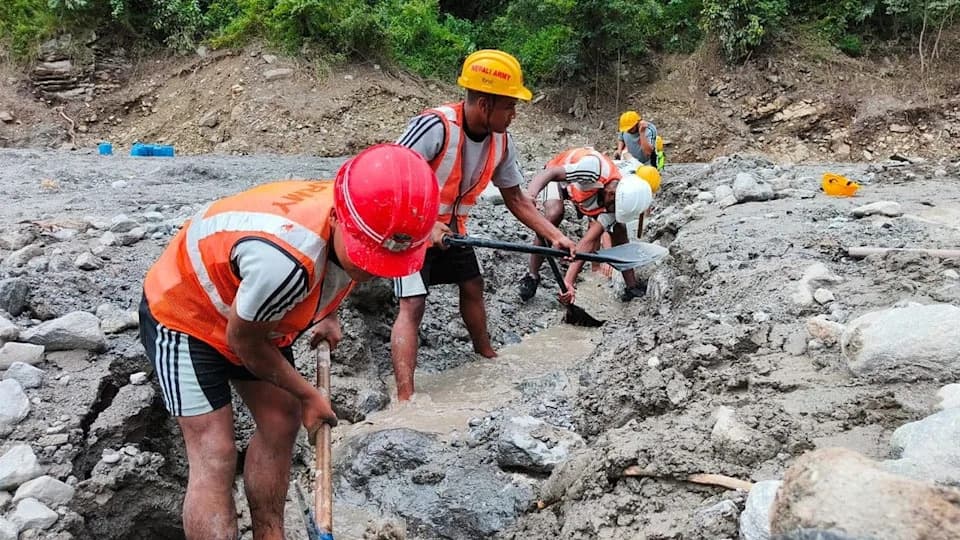
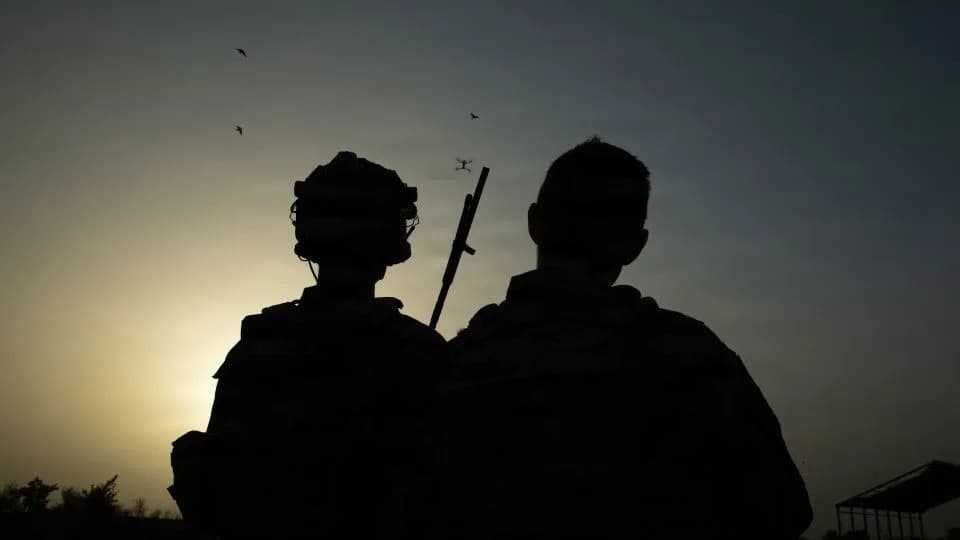
Following the catastrophic glacier collapse on August 26, Nepal has turned to cargo drones to reach communities cut off by floods, landslides and debris. The Nepalese army is operating four DJI FlyCart 100 drones donated by China to deliver food, medicine and fuel — and in some cases to recover the bodies of flood victims from inaccessible terrain.
What Happened
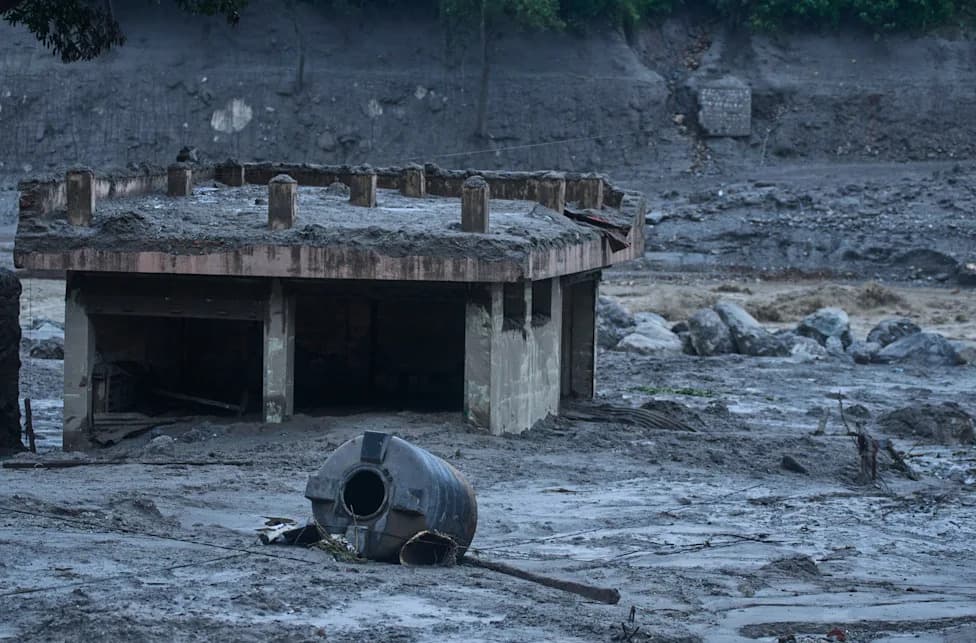
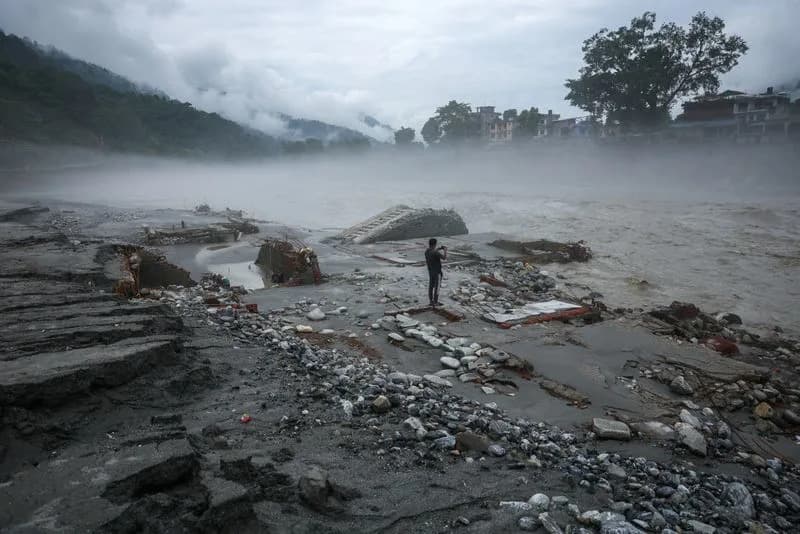
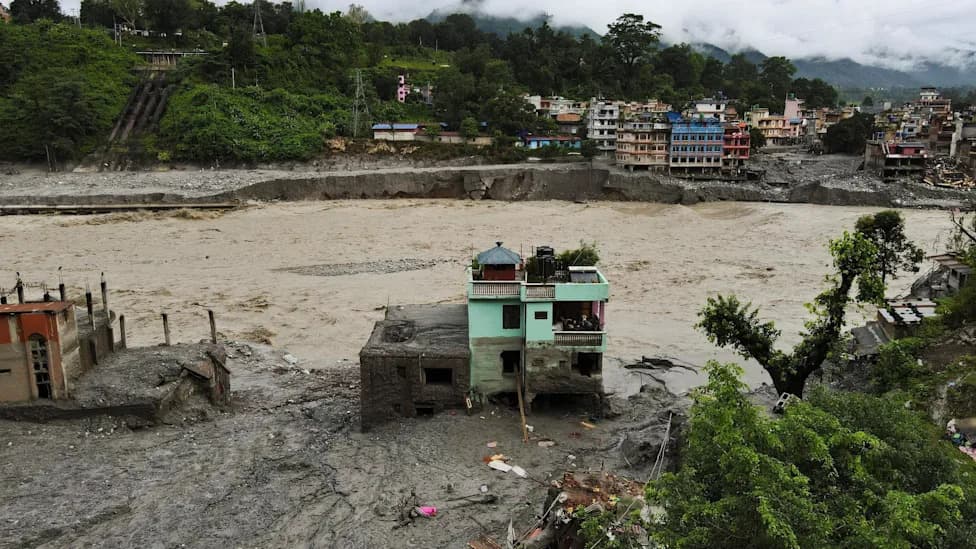
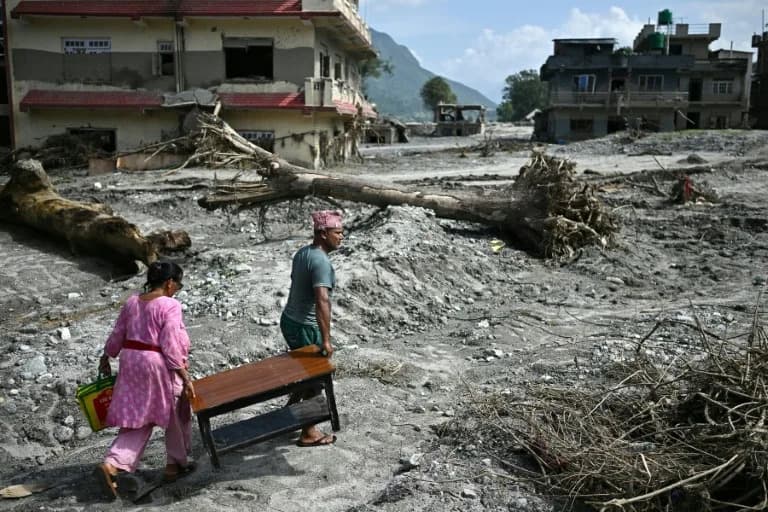
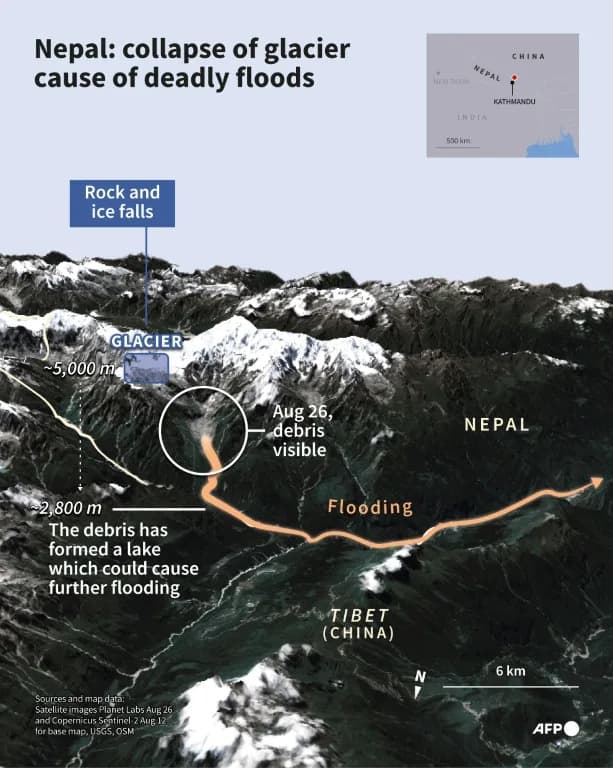
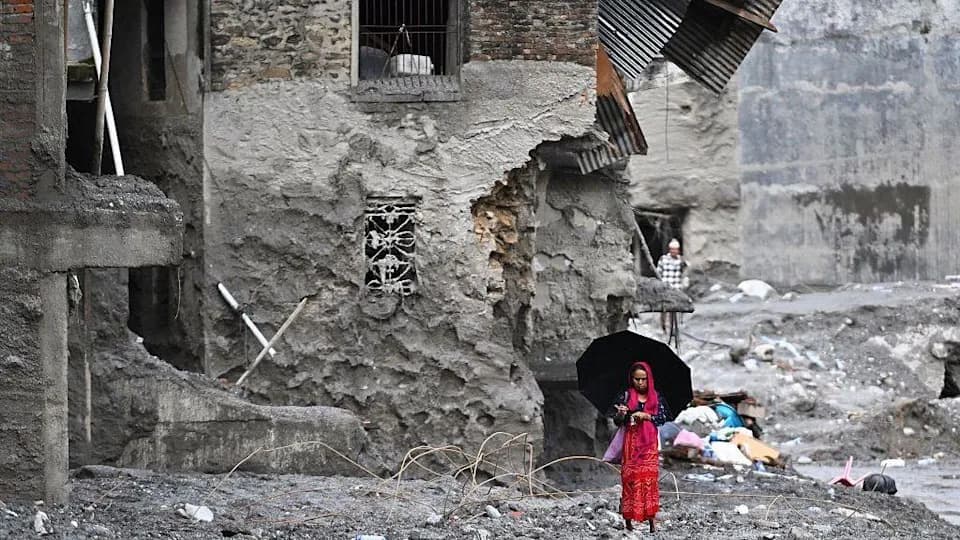
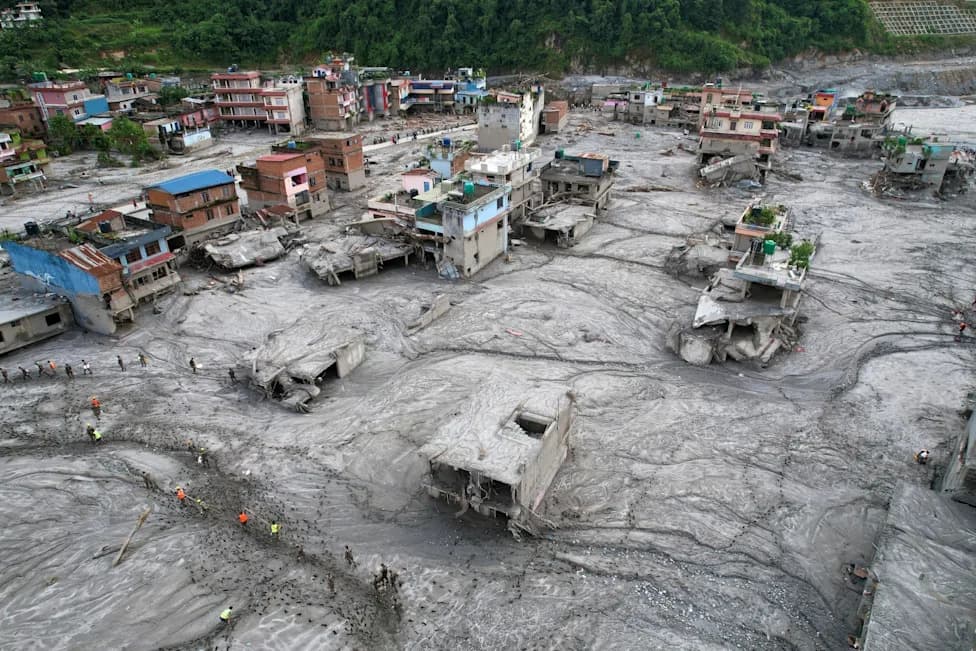
A portion of a Himalayan glacier gave way on August 26, unleashing a surge of water, mud and debris that tore through border crossings, valley settlements and hydropower facilities along the Nepal–Tibet frontier. Many areas became unreachable by road, complicating rescue and relief efforts.
Drone Operations
Nepal’s army is flying four DJI FlyCart 100 heavy-lift drones donated by China. DJI states the FlyCart 100 can carry roughly 187–220 lb (85–100 kg) depending on configuration; Reuters reported the drones in use are carrying about 132 lb (60 kg) per sortie. The military has been conducting roughly 10–16 relief runs per day with these aircraft.
“There is no other way to send food, essentials, medicine and fuel, except for drones, which are the best option to utilise, and we should prioritize them more,” said Santosh Budhathoki, a contract drone pilot for the Nepal army, to Reuters.
Scale and Impact
According to Nepal’s National Disaster Risk Reduction and Management Authority (as of September 9), the confirmed death toll stands at 1,369, with more than 5,000 people still unaccounted for, including 587 foreign nationals. The agency reported that the drones transported 3,508 lb (1,591 kg) of food across 31 flights.
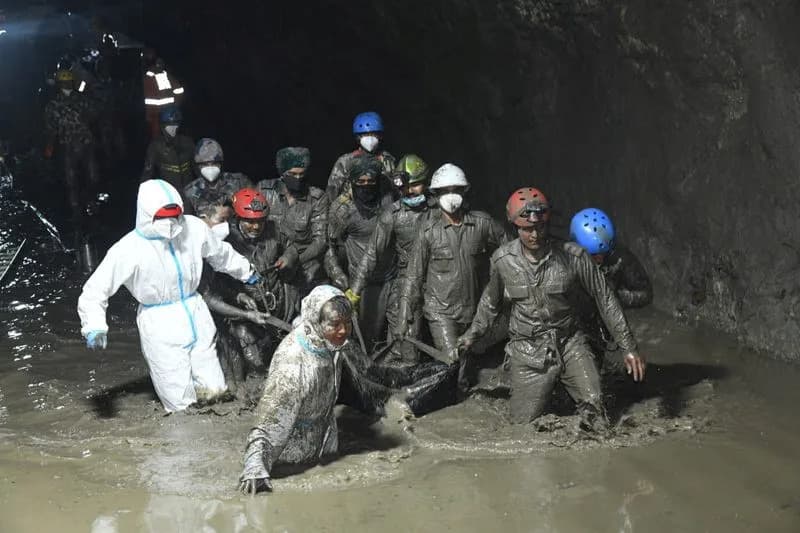
Beyond heavy-lift cargo drones, smaller unmanned aircraft support reconnaissance and search-and-rescue tasks, while helicopters and thousands of ground personnel continue to assist recovery efforts. Nepal has mobilised more than 21,000 police and military personnel in the search for survivors; some teams have found people alive inside hydropower tunnels damaged by the surge.
Humanitarian Appeal and Broader Context
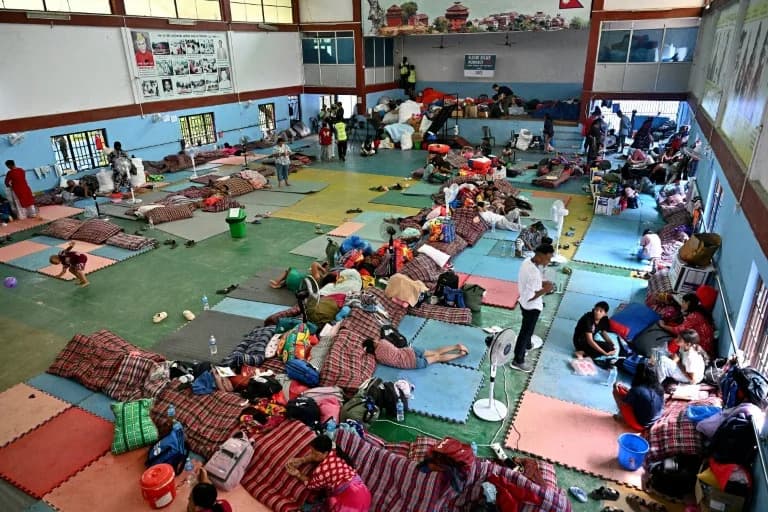
The International Organization for Migration is seeking $20.5 million to assist approximately 43,000 people affected by the disaster. Observers say the crisis underscores how mountainous, climate-vulnerable regions are increasingly relying on improvised technological solutions — like drones and satellite monitoring — to respond faster and reach places where conventional vehicles cannot.
Why It Matters: The Nepal operation highlights both the practical value of heavy-lift drones in rapid-response settings and the ethical, logistical and operational questions that come with using unmanned systems for sensitive tasks such as transporting human remains. Lessons learned here could inform disaster response in other remote, climate-stressed regions.
Help us improve.