Advisers acknowledge Trump’s low approval and GOP infighting make persuading independents unlikely, so the campaign is focusing on maximizing turnout among core Republican voters. Trump and VP JD Vance will run an intensive October schedule targeting battleground and conservative areas in purple states, supported by a large data operation and a renewed fundraising push. The plan faces risks: increased Democratic turnout and public distancing by some GOP candidates on issues like the war with Iran and the economy could undercut gains.
How Trump’s Team Is Betting on Turnout to Avert Midterm Losses
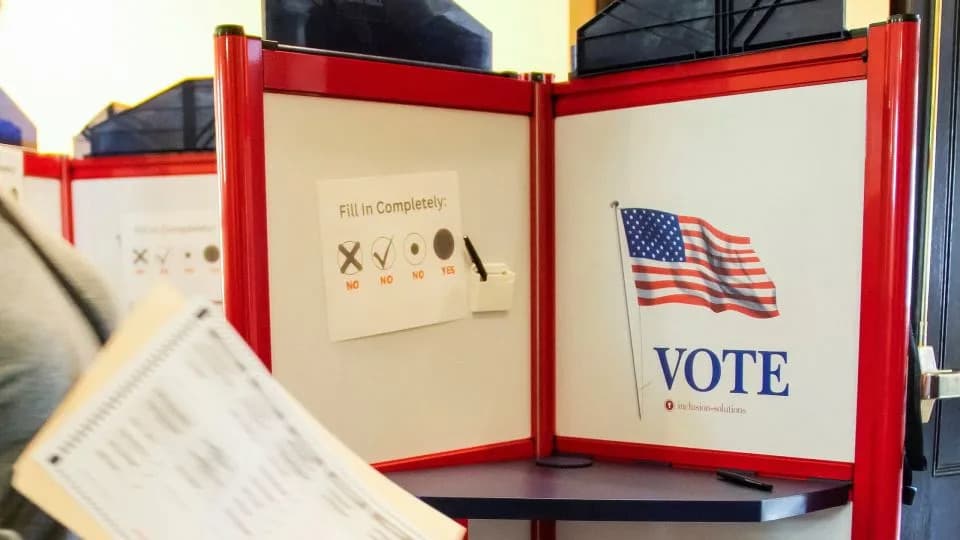
A person walks with her ballot to vote during the New Jersey primary elections, in Glen Ridge, New Jersey, on June 2. - Eduardo Munoz/Reuters
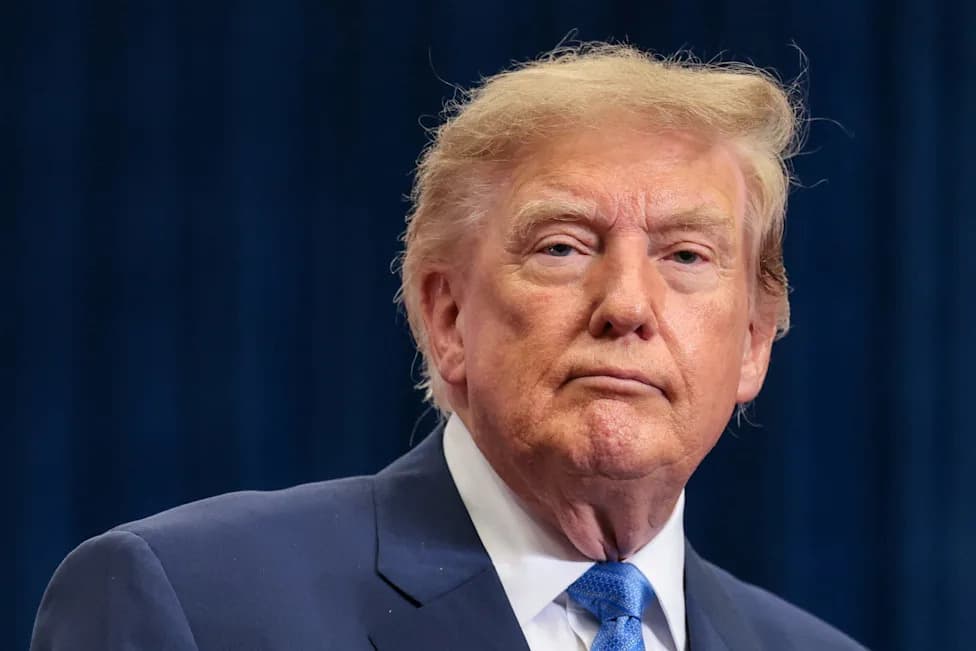
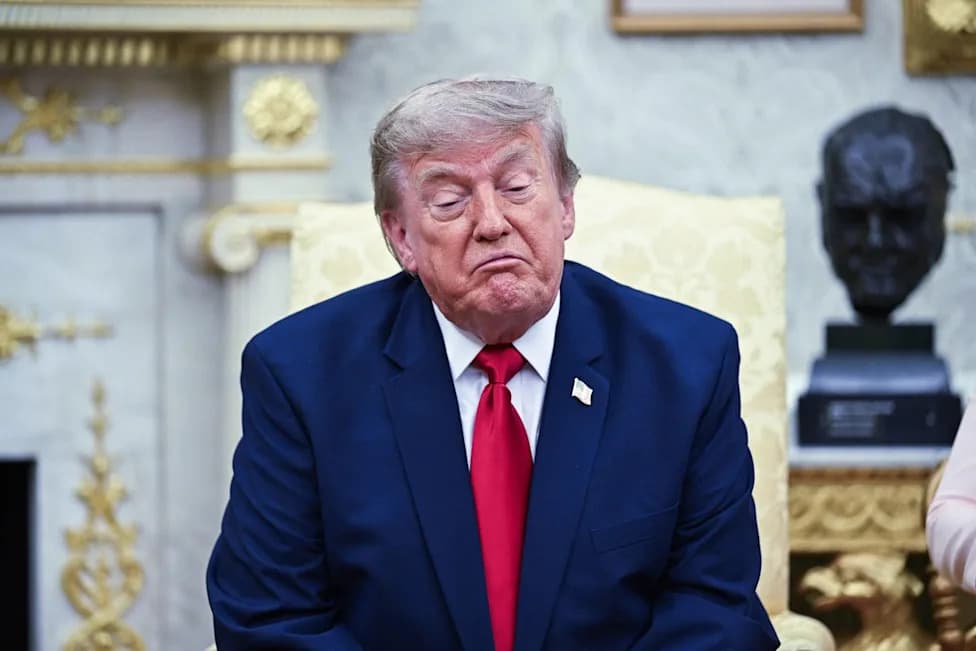
Donald Trump’s political operation has quietly shifted its midterm playbook: with the president’s approval at record lows and some Republican candidates publicly distancing themselves, advisers concede persuading large numbers of independents is unlikely. Instead, the campaign is doubling down on a data-driven effort to maximize turnout among core GOP voters — a strategy they hope will blunt losses in the House and preserve as much of the Senate as possible.
An October Ground Game Focused On Turnout
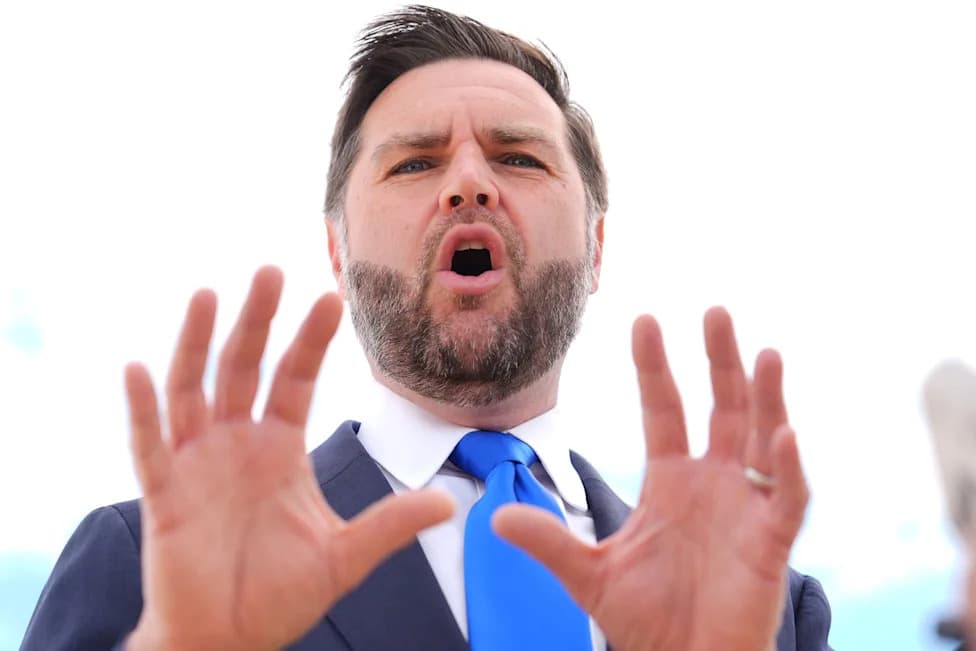
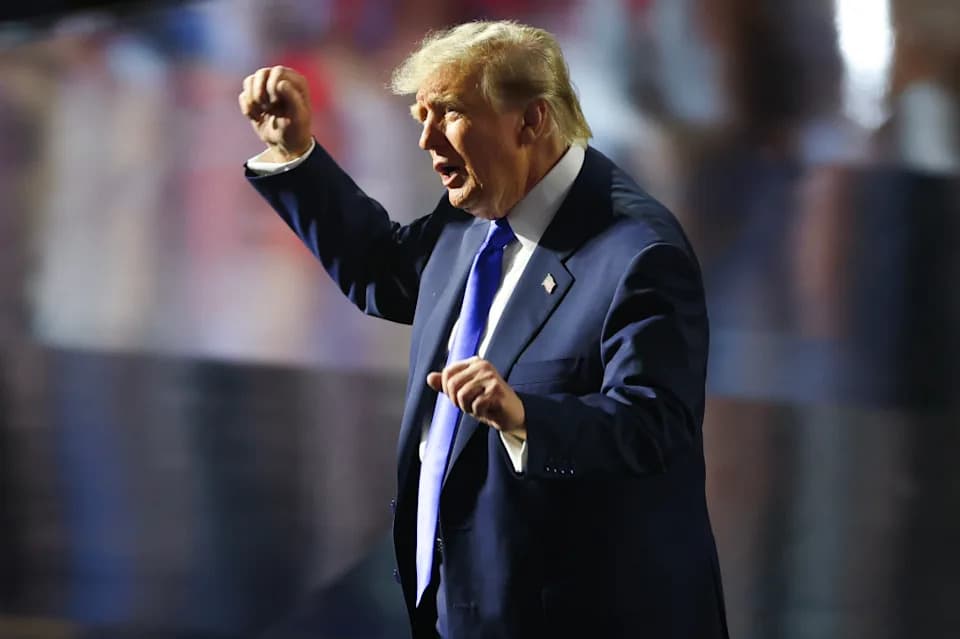
Senior aides, including White House chief of staff Susie Wiles, have mapped an aggressive schedule that places Trump — and surrogate Vice President JD Vance — on the trail for much of October. Officials say the stops will emphasize battleground states and conservative-leaning parts of purple states rather than the most competitive districts, aiming to boost turnout by targeted margins of 2–3 percentage points in the places that matter most.
“It’s obviously going to be f***ing rough,”
one adviser told CNN, noting the realistic goal is to replicate a 2022-style outcome: narrow House losses but retention of the Senate.
Fundraising Pressure And New PAC Structures
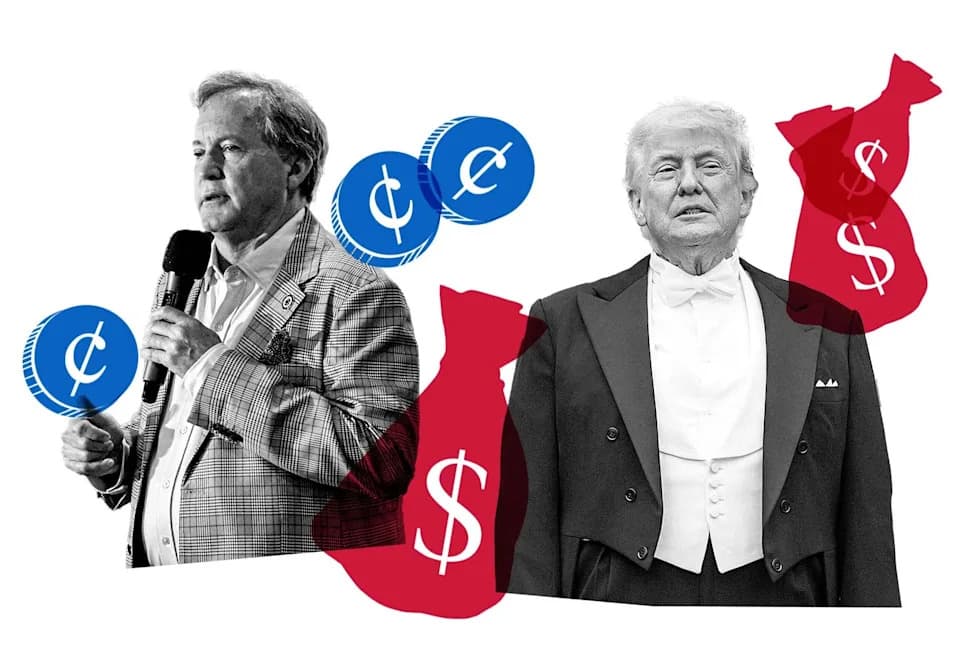
Fundraising is central to the strategy. Trump-affiliated groups, including MAGA Inc., have seen contributions decline, and party committees are scrambling to replenish coffers. The Senate Leadership Fund announced a $100 million increase in Texas spending to support Republican Ken Paxton, signaling anxiety about races once considered safe. Much of Trump’s spending is also being routed through newly formed, less overtly branded entities such as No Going Back PAC Inc. and Safety & Affordability PAC Inc.
Data, Surrogates, And The Limits Of Messaging
The campaign’s decisions about where to deploy Trump, Vance and Cabinet surrogates are driven by an extensive data apparatus built during the 2024 run and shared with the RNC and House and Senate campaign arms. James Blair — who left the White House to lead the political operation — has played a central role in shaping travel calendars and priorities.
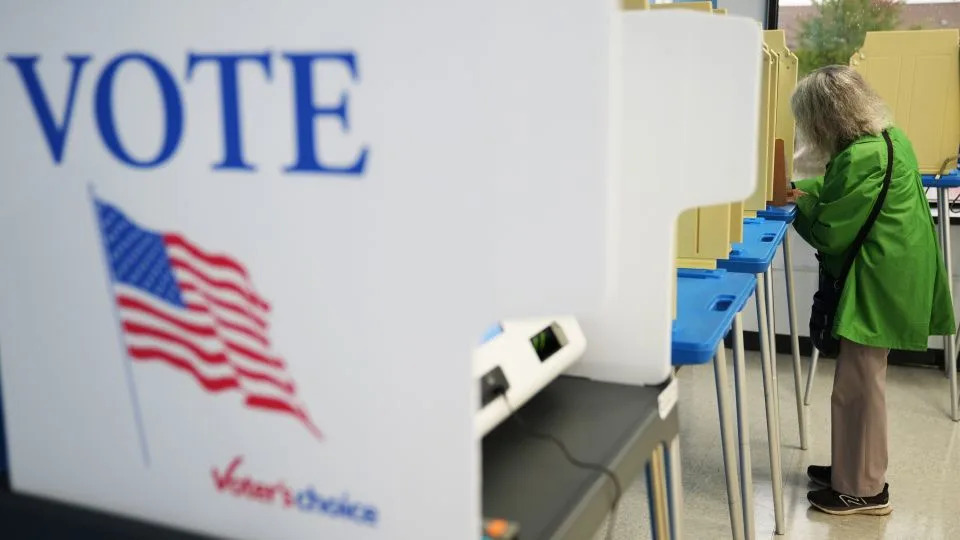
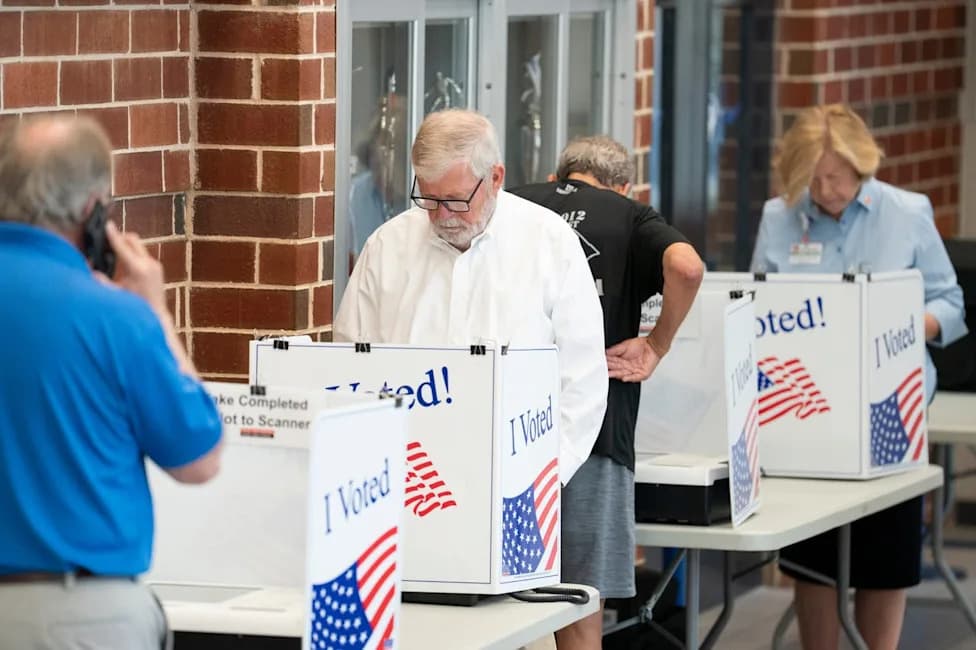
A voter cast a ballot on the first day of early voting in Minnesota on September 18 in Minneapolis. - Ellen Schmidt/AP
Vance’s role is heavily tilted toward fundraising as RNC finance chair, while also serving as a steadier surrogate on messaging. Campaign officials say Vance is useful for raising "hard money" and helping candidates refine messages but remains closely associated with Trump and is not always helpful in tight swing districts.
Internal Friction And Strategic Risks
Many Republicans have publicly broken with Trump on issues such as the war with Iran, immigration and the economy. Some candidates have removed Trump references from their websites or signaled distance to appeal to moderates. The administration’s foreign policy — particularly the conflict with Iran — is repeatedly cited by operatives as a key factor driving voter displeasure.
Advisers privately acknowledge a major trade-off: while Trump is unmatched at energizing Republican voters, his presence on the ballot can also motivate Democratic turnout. "The issue with putting his name on the ballot is it could ultimately serve as a bigger driving force for Democratic voters who hate him," one campaign official said.
Operational Details And Incentives
Beyond presidential travel, the political team has tracked Cabinet members’ campaign participation, scoring travel to swing districts more highly than overseas trips and publicly sharing those rankings to encourage involvement. At a summer meeting in Washington, Kelly Loeffler and Acting Labor Secretary Keith Sonderling were highlighted for active engagement.
Bottom line: With persuasion prospects limited by low approval ratings, Trump’s team is pursuing a turnout-first strategy powered by data, high-profile travel and a targeted fundraising push — a tactic that could preserve some GOP seats but carries the clear risk of energizing Democratic voters in key districts.
Photo caption: A voter casts a ballot on the first day of early voting in Minneapolis, Minnesota.
Help us improve.