The occupation of Cala Saladeta by about 100 residents highlights a growing, organized backlash against overtourism in Spain. Activists from Ibiza to Barcelona and the Canary Islands blame mass tourism for soaring housing costs, strained infrastructure and cultural erosion. Large demonstrations — including a 30,000-strong Canary Islands rally and water-pistol protests in Barcelona attended by about 2,800 people — underline demands for limits on visitor numbers and policy changes such as phasing out short-term rental licences by 2028.
Residents Occupy Ibiza Cove as Overtourism Protests Spread Across Spain

Image credits: Unsplash
The sand at Cala Saladeta, one of Ibiza's most photographed coves, was lined last week with beach towels and protest banners as roughly 100 residents staged a coordinated occupation to denounce mass tourism. The action turned a strip of turquoise water into the latest flashpoint in a growing national backlash over the social and economic impact of ever-rising visitor numbers.
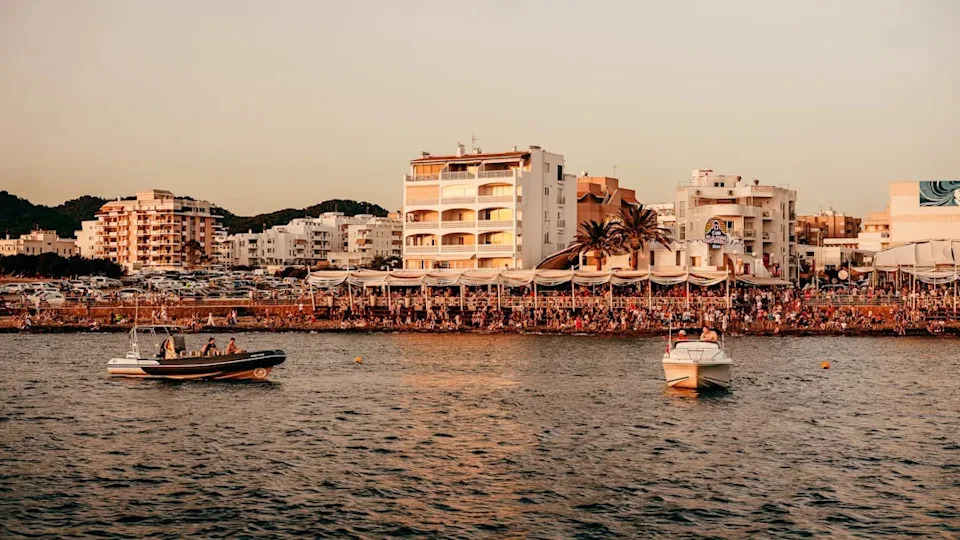
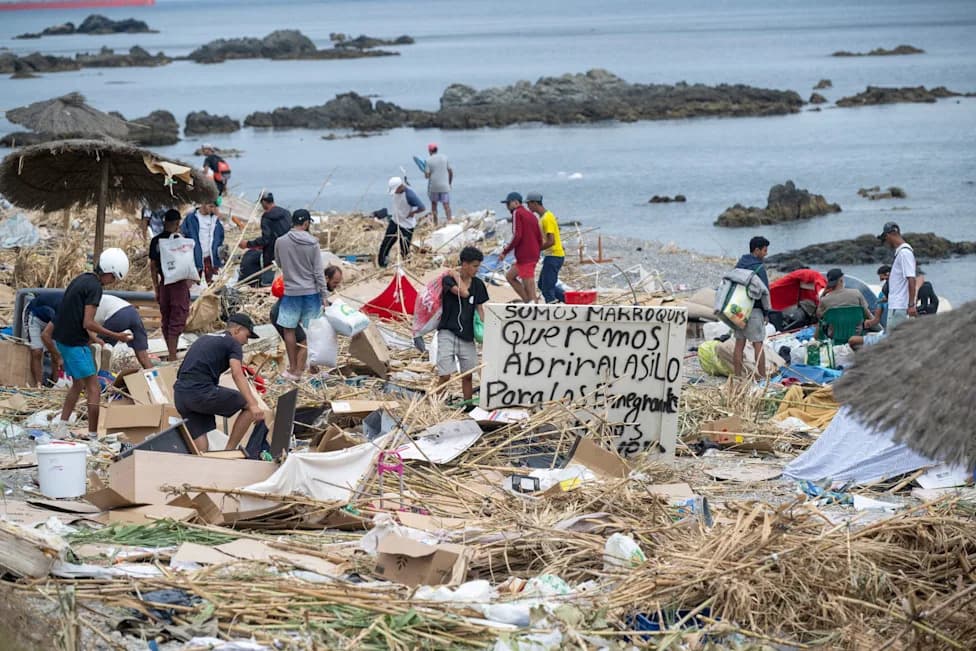
The Ibiza Beach Takeover That Sparked New Headlines (Image Credits: Unsplash)
What Happened at Cala Saladeta?
The demonstration, organized by the Ibiza Youth Association, brought together about 100 islanders who say locals are increasingly shut out of public spaces during the peak season. Protesters held banners reading "Wherever you look, it's all tourists" and declared that "the island was not for sale," arguing that the tourism model prioritizes visitors over residents.
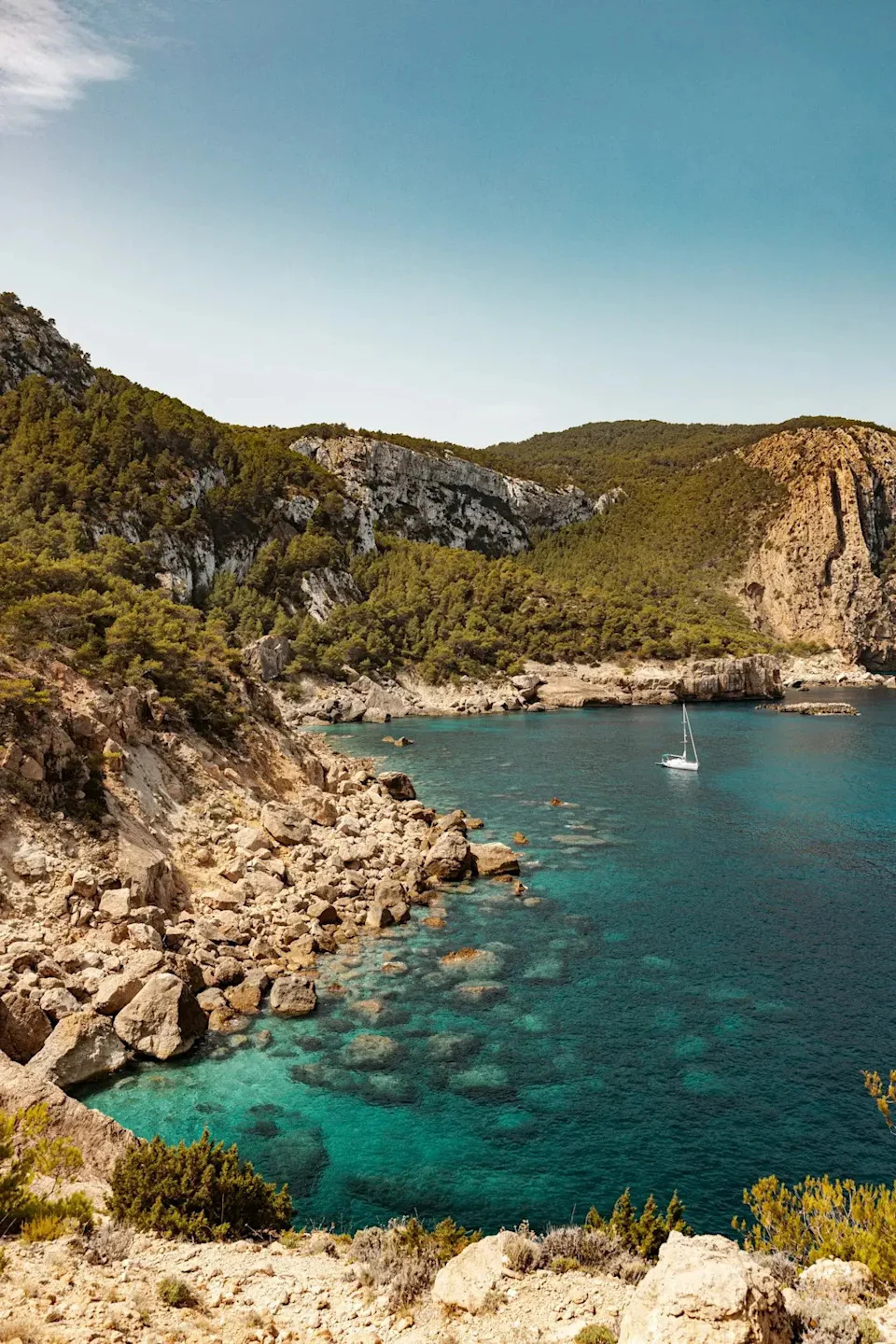
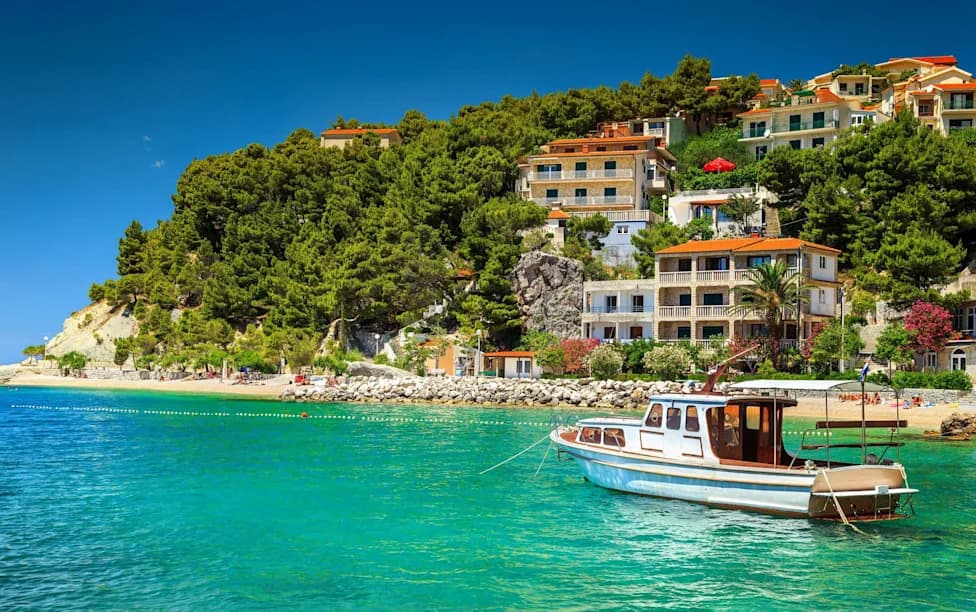
Beyond Crowded Sand: Housing and Culture Under Pressure (Image Credits: Unsplash)
Broader Grievances: Housing, Infrastructure and Culture
Organizers and activists say the protests are about more than crowded beaches. They blame mass tourism for soaring housing costs, strained infrastructure and the erosion of local culture. By one measure, Ibiza (Eivissa) received nearly 1.2 million tourists in Q2 2025 alone — on an island with about 160,000 year-round residents — illustrating how seasonal influxes can transform daily life.

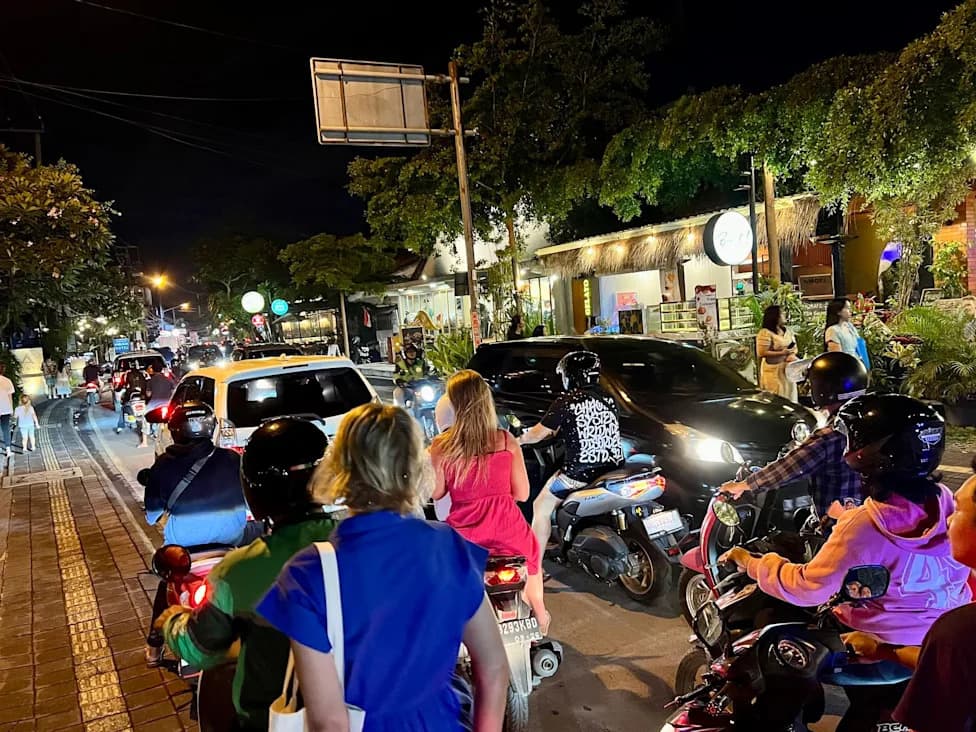
Barcelona's Water Pistols Went Global (Image Credits: Unsplash)
How The Movement Has Spread
Similar actions have taken place across Spain. In Barcelona, demonstrators marched through tourist areas chanting "tourists go home," sprayed some visitors with water pistols and pasted stickers with slogans such as "Citizen Self-Defense." The Barcelona City Council reported about 2,800 people attended a central demonstration. City officials have announced plans to phase out short-term rental licences by 2028, a dramatic policy response that critics say may not fully resolve the underlying housing shortage.
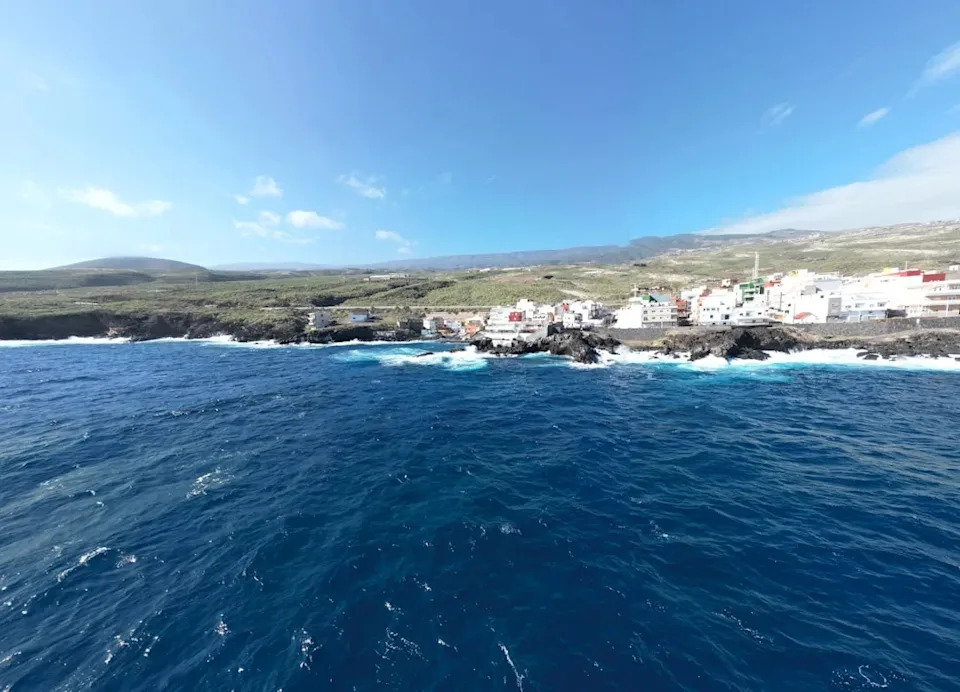
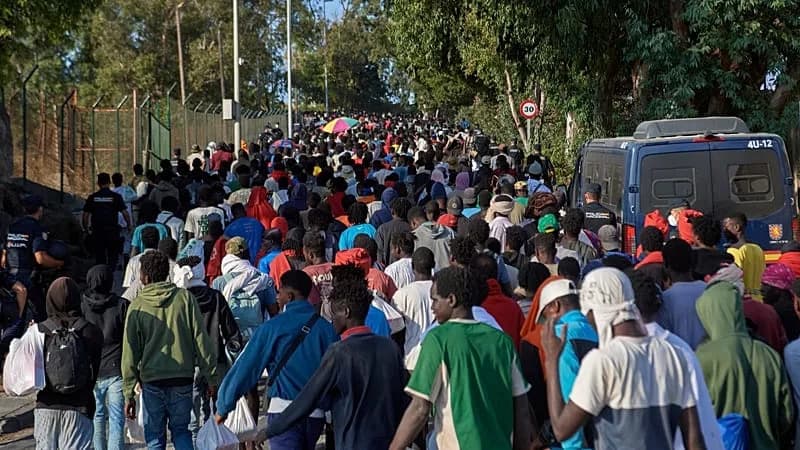
The Canary Islands Say "We Have a Limit" (Image Credits: Unsplash)
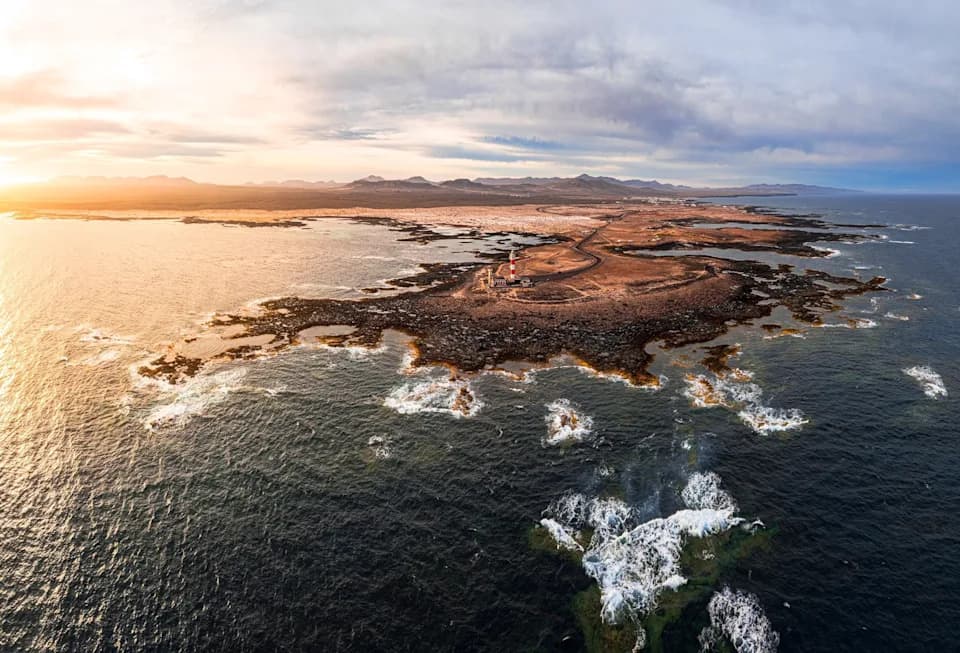
In the Canary Islands the slogan "Canarias tiene un límite" galvanized large rallies: roughly 30,000 people marched across Tenerife, Gran Canaria, Lanzarote and other islands to protest what residents call an unsustainable tourism model. In 2023 more than 16 million tourists visited the Canaries, generating over €20 billion in spending — figures locals say have driven up property prices and rents and are squeezing younger residents out of their communities.
Tactics and Strategy
Protest tactics have ranged from peaceful beach occupations and mass marches to more confrontational acts such as spraying tourists with water pistols and placing protest stickers on hotel doors. Organizers describe recent actions as the opening moves of longer campaigns aimed at forcing governments to cap visitor numbers, protect housing for residents and preserve local culture.
"We want public spaces that local people can actually enjoy," said one organizer.
What's Next?
Activists in Ibiza and beyond say they will continue coordinated actions until authorities adopt stronger limits on tourism growth and measures that prioritize residents—especially on housing and infrastructure. Officials have begun responding with policy proposals, but the debate over the balance between economic benefits from tourism and the rights of local communities is likely to intensify in the coming seasons.
Help us improve.