DMVs across the U.S. are shedding their reputation for long waits as states invest in technology, staffing and redesigned customer experiences. North Carolina is a clear example: a new law enabling online renewals, added staff, new offices and a revamped website cut average wait times to 23 minutes — an 86% year-over-year drop. Other states, including Michigan and Virginia, report similar declines. Experts note that governance models, funding and community demographics still produce uneven service, but improvements can strengthen public trust.
The DMV Reboot: How North Carolina and Other States Cut Waits, Upgraded Tech and Improved Service
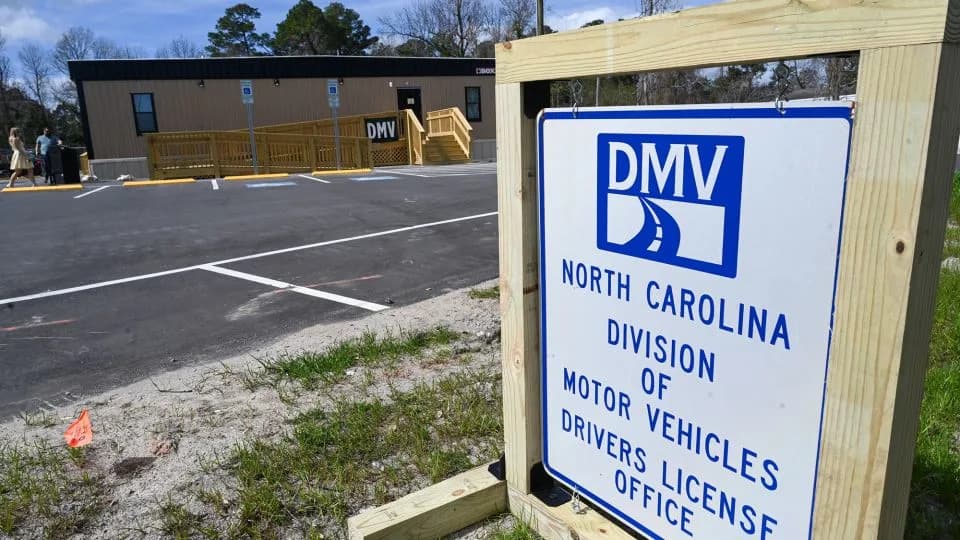
North Carolina's DMV is the place to be these days. - Courtesy N.C. Division of Motor Vehicles
For years the Department of Motor Vehicles (DMV) has been shorthand for long lines and frustrating encounters with bureaucracy. But in many states — notably North Carolina — that reputation is shifting as agencies adopt technology, add staff and redesign customer experiences.
North Carolina's Turnaround
Matthew Clayton, the family tech expert, used to dread booking DMV visits for relatives in North Carolina. In 2018, his father once waited five hours to renew a license. Fast forward to 2024–25: Clayton’s mother renewed online under a new law, his grandfather booked an appointment and had a smooth visit, and his father completed a July appointment in just 10 minutes.
North Carolina’s average wait time was 23 minutes in August — an 86% decline from the prior year. That drop reflects a package of changes: a law allowing online renewals for hundreds of thousands of residents, targeted funding to hire more examiners, new field offices, replacement of outdated document scanners and a redesigned website that displays live wait times and offers document-check quizzes.
What States Are Doing
Across the country, DMVs have modernized legacy systems and adopted customer-focused practices. Common reforms include:
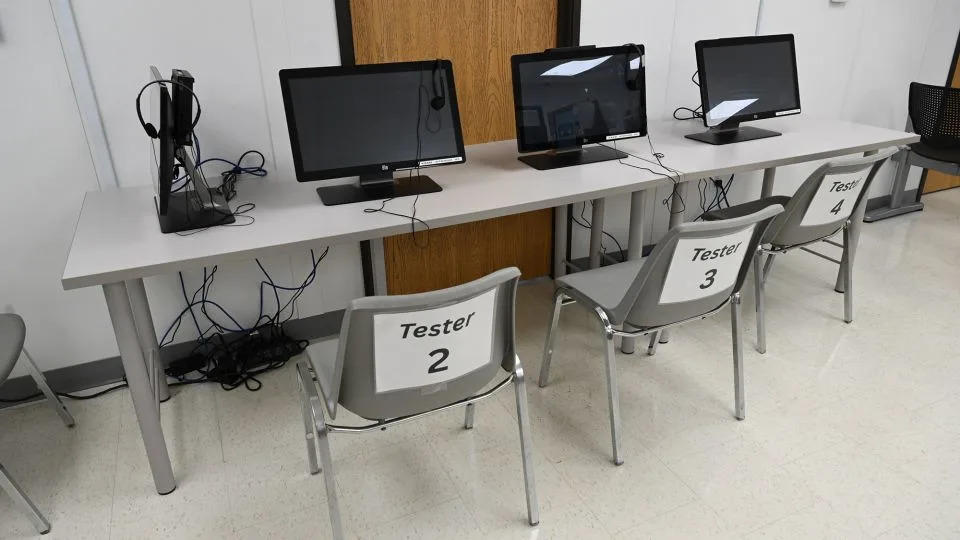
Transformation in action at a North Carolina DMV office in Leland. - Courtesy N.C. Division of Motor Vehicles
- Online renewals, document uploads and appointment booking
- Live wait-time displays and phone alerts so visitors aren’t stuck in line
- Self-service kiosks in retail locations and added staff at busy branches
- Modern communications, including social-media outreach and public-service videos
These efforts have produced big improvements in some states. Michigan’s office waits that were several hours in 2019 fell to under 20 minutes last year, and Virginia’s waits have dropped nearly 80% since 2019 to about eight minutes on average.
Why DMVs Got Overwhelmed
The problems didn’t emerge overnight. During the pandemic millions relocated to states like North Carolina while many DMV employees retired or left, and budgets had not kept pace with growing demand. The 2024 REAL ID deadline added a surge of customers that overwhelmed some offices and prompted tough legislative hearings.
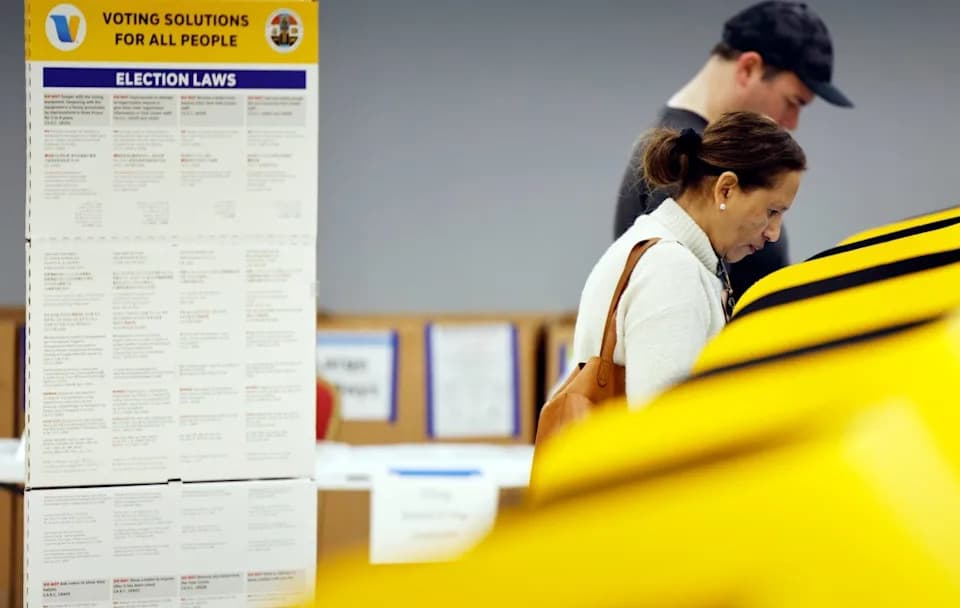
DMVs also bear responsibilities far beyond driver’s licenses and registrations — from voter registration to organ-donor signups and background checks — increasing complexity for a shrinking workforce.
Variation By State And Community
There is no single DMV model in the U.S. Some states run centralized systems; others delegate decisions locally. In Idaho, for example, 88 sheriffs and assessors across 44 counties make DMV decisions independently, leading to uneven staffing and services.
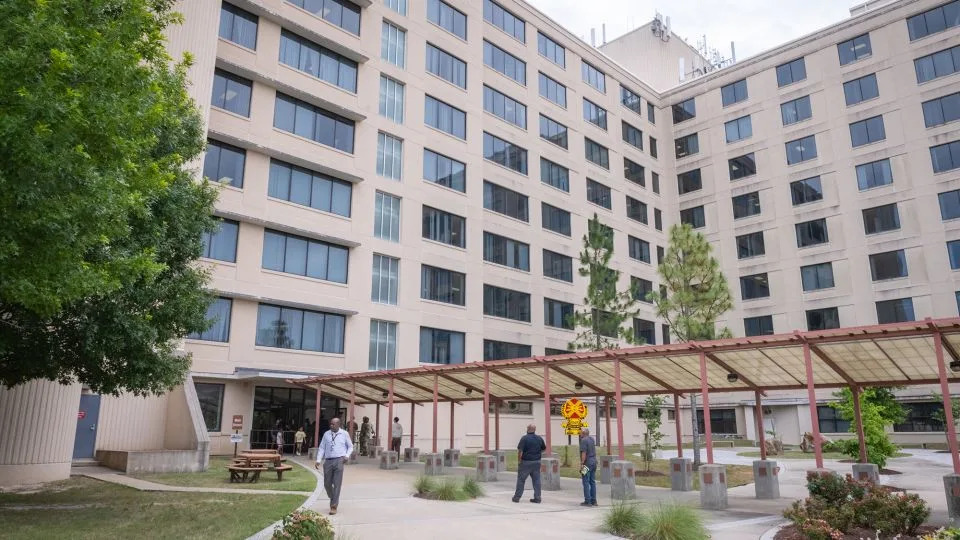
A new North Carolina DMV office in Fort Bragg opened in June. - Courtesy N.C. Division of Motor Vehicles
Research also shows geographic and demographic disparities: offices in wealthier, politically influential communities tend to perform better, while locations serving residents with limited English proficiency or complex documentation needs can lag — a phenomenon scholars call "administrative deserts."
Voices From Officials And Researchers
"We're the front door of state government," said North Carolina DMV Commissioner Paul Tine. "If we're not delivering the service in the way the modern customer expects, they're going to have a negative feeling about state government in general."
Scholars like Sebastian Jilke (Georgetown University) and Matthew May (Boise State University) emphasize that efficient DMVs do more than save time — they shape public trust in government. Small, visible service wins can change citizens’ broader impressions of public institutions.
What This Means For Drivers
For the average resident, improvements mean fewer hours lost to lines and more predictable trips to the DMV. For states, smarter investments in technology, staffing and processes can yield fast, tangible gains in service and public confidence. While challenges and unevenness remain, the recent progress shows how a traditionally stodgy agency can reinvent itself.
Photo captions in original reporting credited the N.C. Division of Motor Vehicles for images of renovated offices.
Help us improve.