Albuquerque and Portland are testing speed‑sensitive “rest‑in‑red” signals that reward drivers who stay at or below 30 mph with earlier green lights. Portland reports average speeds falling from 39 mph to 30 mph at its first test site, and Albuquerque credits the program with reducing crashes along key corridors. A 2023 North Carolina study found a 43% drop in total crashes after a simpler system was installed, though researchers urge more study to check for unintended effects.
Drive 30, Get Green: Albuquerque and Portland Use “Rest‑In‑Red” Signals to Reward Law‑Abiding Drivers
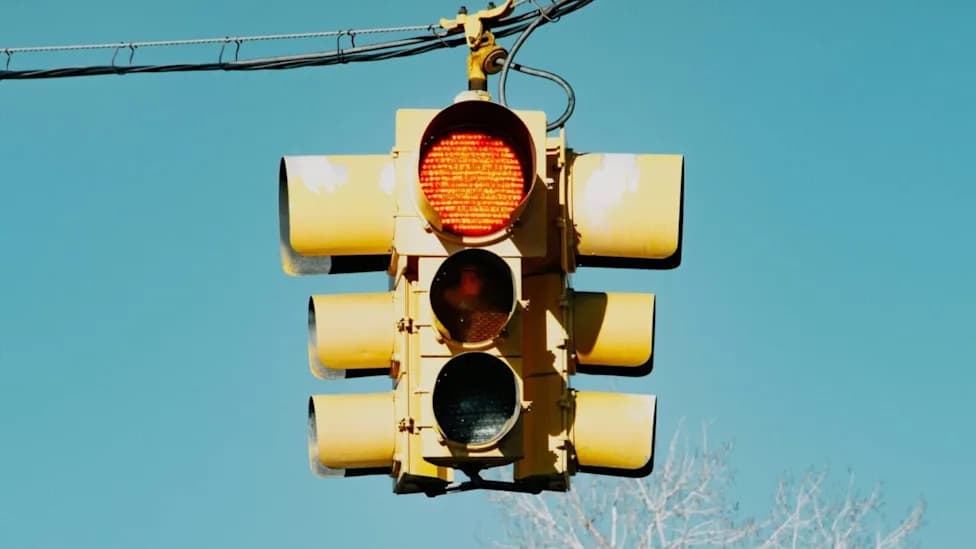
Image Credit: Frames For Your Heart / Unsplash.
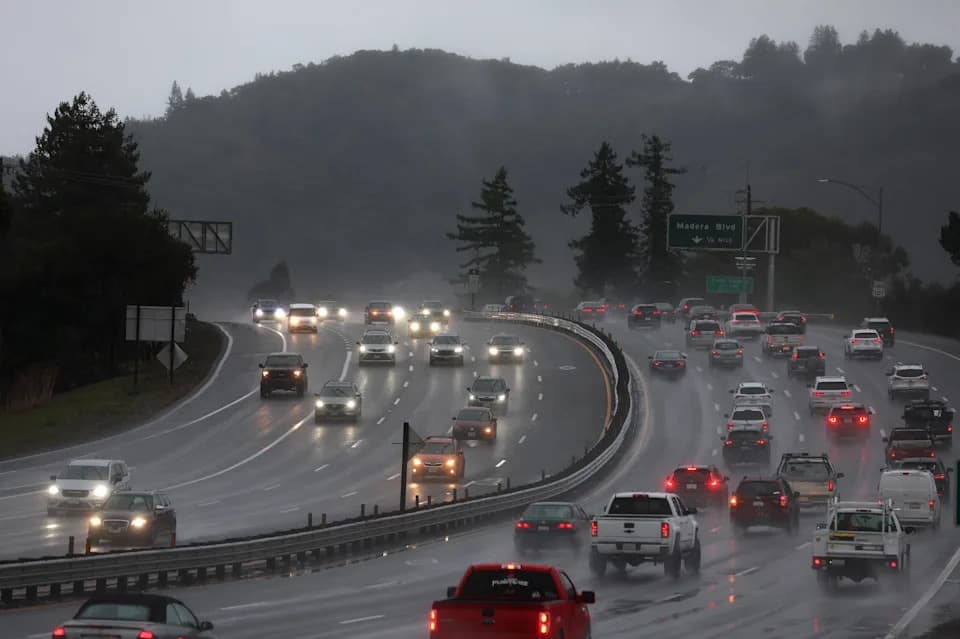
Speeding to catch the next green light can now have the opposite effect on some streets in Albuquerque and Portland. Both cities are testing “rest‑in‑red” traffic signals that factor vehicle speed into signal timing: drivers who approach at or below the posted 30 mph limit can receive an earlier green, while faster drivers may be held at red.
How It Works
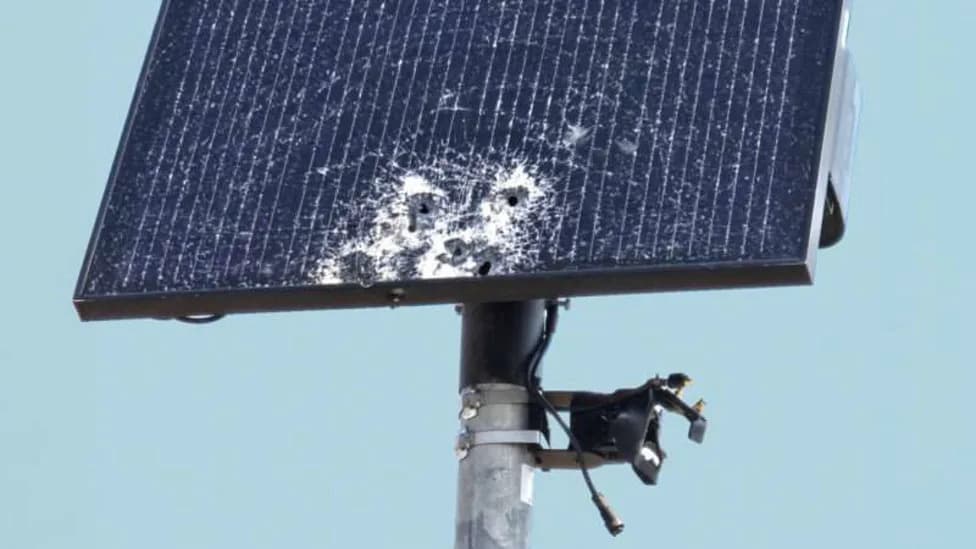
Traditional rest‑in‑red systems stay red until a vehicle is detected, then change to green. Albuquerque and Portland have added speed sensors so the signal timing rewards compliance: sensors monitor approach speed and can prioritize a green for motorists who arrive at the correct speed.
Early Results
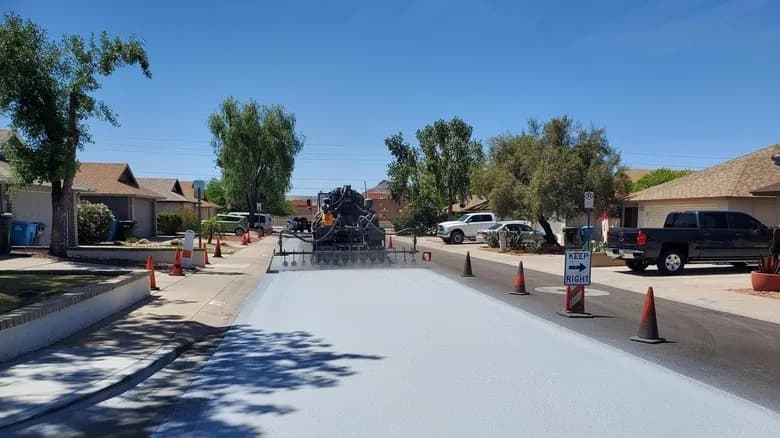
Portland says average speeds at its first test intersection on Southeast Powell Boulevard dropped from 39 mph to the road's 30‑mph limit. Albuquerque has deployed the system along Lead and Coal avenues and credits the broader program — which also includes automated speed cameras and coordinated signal timing — with reducing crashes and injuries on a previously troubled corridor.
Local perspective: Resident Isaac Romero told the Associated Press the change has been noticeable: crashes and late‑night racing were once common enough that vehicles had ended up in yards and trees, but residents have seen improvements since the program began.
Evidence and Cautions
There is supporting research: a 2023 study of five roads in North Carolina found total crashes fell by about 43 percent after a simpler rest‑in‑red system was installed (those signals did not use speed sensors to reward compliant drivers). Researchers studying Portland’s speed‑sensitive approach say initial results are promising but urge caution. David Hurwitz, a transportation engineering professor at Oregon State University, told the AP that more study is needed to assess long‑term effects and rule out unintended consequences such as increased red‑light running.
Portland traffic officials have called the system a “virtual speed bump.” If enough drivers learn that maintaining the speed limit produces a string of green lights while speeding leads to stops, obeying the limit can become the quickest option.
Help us improve.