Australia has installed 100 community batteries to store surplus rooftop solar for evening use, marking a key step in distributed energy. ARENA awarded AUD 23.2 million in Round 2 funding to three projects across regional SA/NSW, Sydney/Central Coast/Hunter and Newcastle. Home battery installs have roughly tripled since mid-2025 under the Cheaper Home Batteries scheme, and the CEFC has pledged AUD 100 million to speed network-connected storage.
Australia Hits 100 Community Batteries as ARENA Funds Three New Rooftop Storage Projects
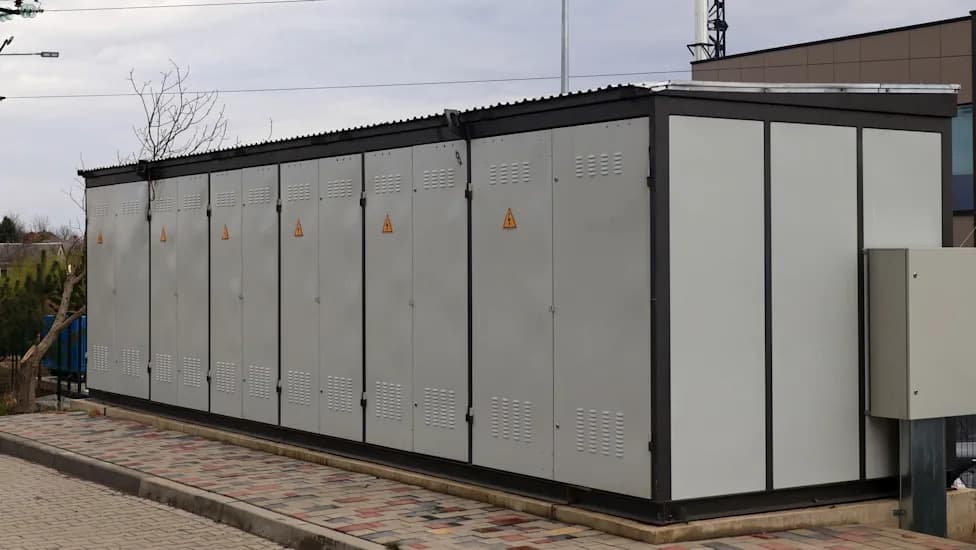
Photo Credit: iStock
Australia has reached a milestone in distributed energy: 100 community batteries are now installed to capture surplus daytime rooftop solar and discharge it during evenings and peak demand periods. The Australian Renewable Energy Agency (ARENA) confirmed the deployment, with reporting by ESS News.
Funding Details
The 100th community battery was funded through ARENA’s Community Batteries Funding Initiative, part of the federal AUD 200 million Community Batteries for Household Solar program (ARENA received AUD 171 million of that pool). In Round 2, ARENA awarded AUD 23.2 million across three projects:
- YES Group — AUD 10.29 million: To deploy 14 community batteries in regional South Australia and New South Wales.
- Ausgrid Network-led Community Battery Scale-up — AUD 8 million: To install 21 batteries across Sydney, the Central Coast and the Hunter region.
- City of Newcastle Innovative Battery Solutions — AUD 5 million: To pair community batteries with embedded solar networks in Newcastle.
What Community Batteries Do
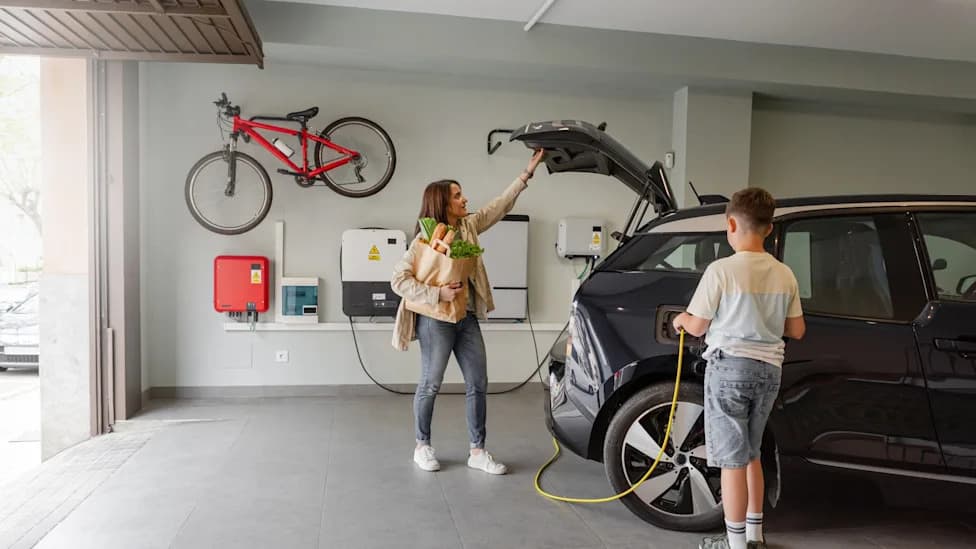
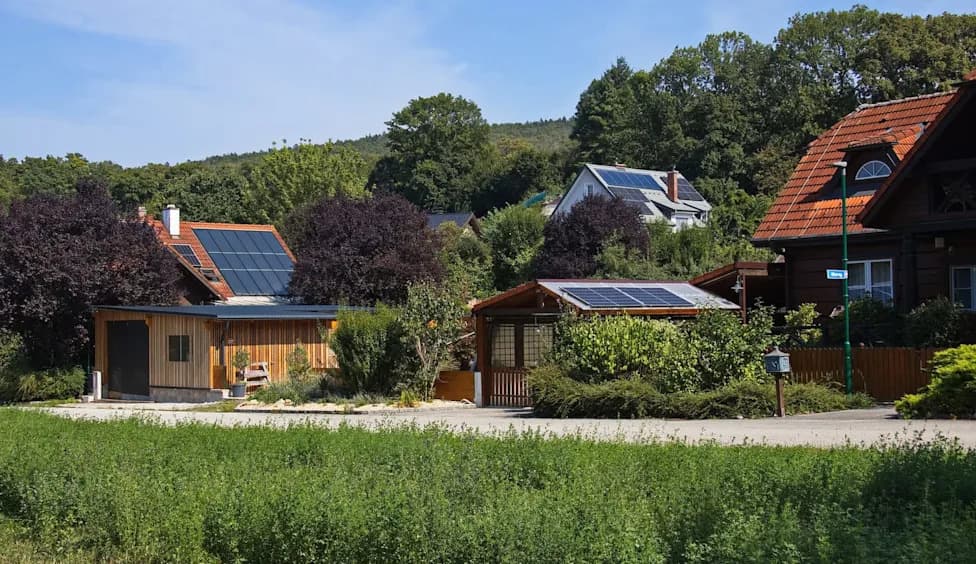
Community batteries are shared storage devices serving multiple nearby households. Like private home batteries, their purpose is to store electricity when generation is abundant (typically midday solar) and release it when demand rises, reducing household bills and extending the value of rooftop solar into evening hours. They can also improve local outage resilience and help manage peak network loads.
Home Battery Market And Policy Context
The Australian home battery market is growing rapidly: ESS News reports installation rates are roughly three times higher than a year earlier. The federal Cheaper Home Batteries scheme, introduced in mid-2025, has been a key driver. Separately, the Clean Energy Finance Corporation (CEFC) has pledged AUD 100 million to accelerate battery projects that connect to local distribution networks.
Data, Research And Next Steps
Beyond grants, ARENA is collecting real-world data from the Community Batteries program on performance, costs, viable business models, customer impacts and effects on the grid. The objective is to identify models that are commercially scalable and to inform wider rollout across Australia.
Practical Options For Households
Households seeking resilience or cost savings have several options: full home battery systems, smaller backup units for outage protection, or shared community batteries. Retail and comparison options — for example, platform-based quotes from services like EnergySag (which has partnered with Qmerit) and plug-and-play solutions such as those offered by Pila — provide more accessible entry points for many households. These solutions vary widely in capacity, price and installation scope, so consumers should compare performance, warranties and installer credentials.
Bottom line: Australia’s storage strategy spans rooftop systems, shared neighborhood batteries and larger grid-connected projects. As rooftop solar grows, community and grid-scale storage — supported by funding and data-driven pilots — will play a central role in keeping power reliable and affordable.
Help us improve.