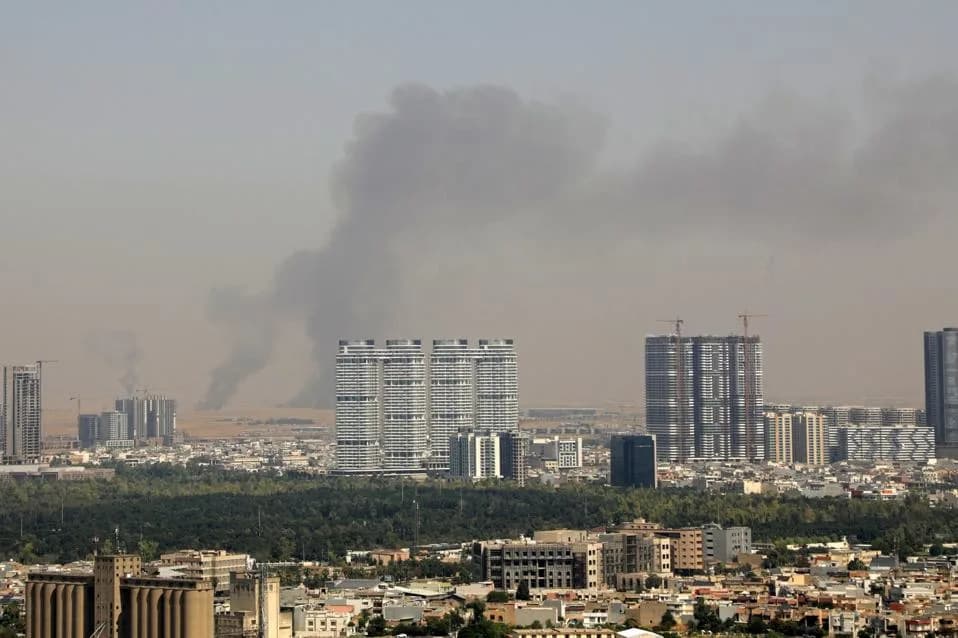
Experts warn that the post-election "counting window" — the hours and days after midterm voting — is a vulnerable period when delay in results can be exploited to sow doubt. While courts have blocked some administration efforts to vet mail-in ballots, officials worry about unfounded fraud claims, DHS requests for voter-roll data, and reduced federal election-support capacity. Election officials urge early voting and clear public education to protect confidence in outcomes.
Experts Warn Trump Allies Could Exploit Post-Election 'Counting Window' to Challenge Midterm Results
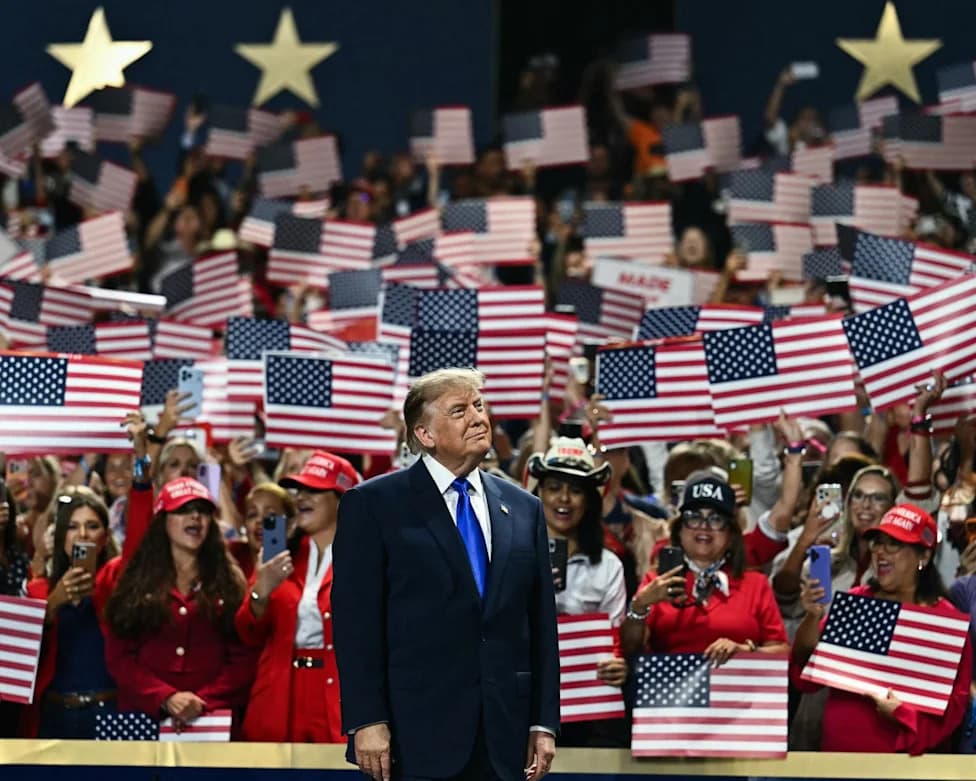
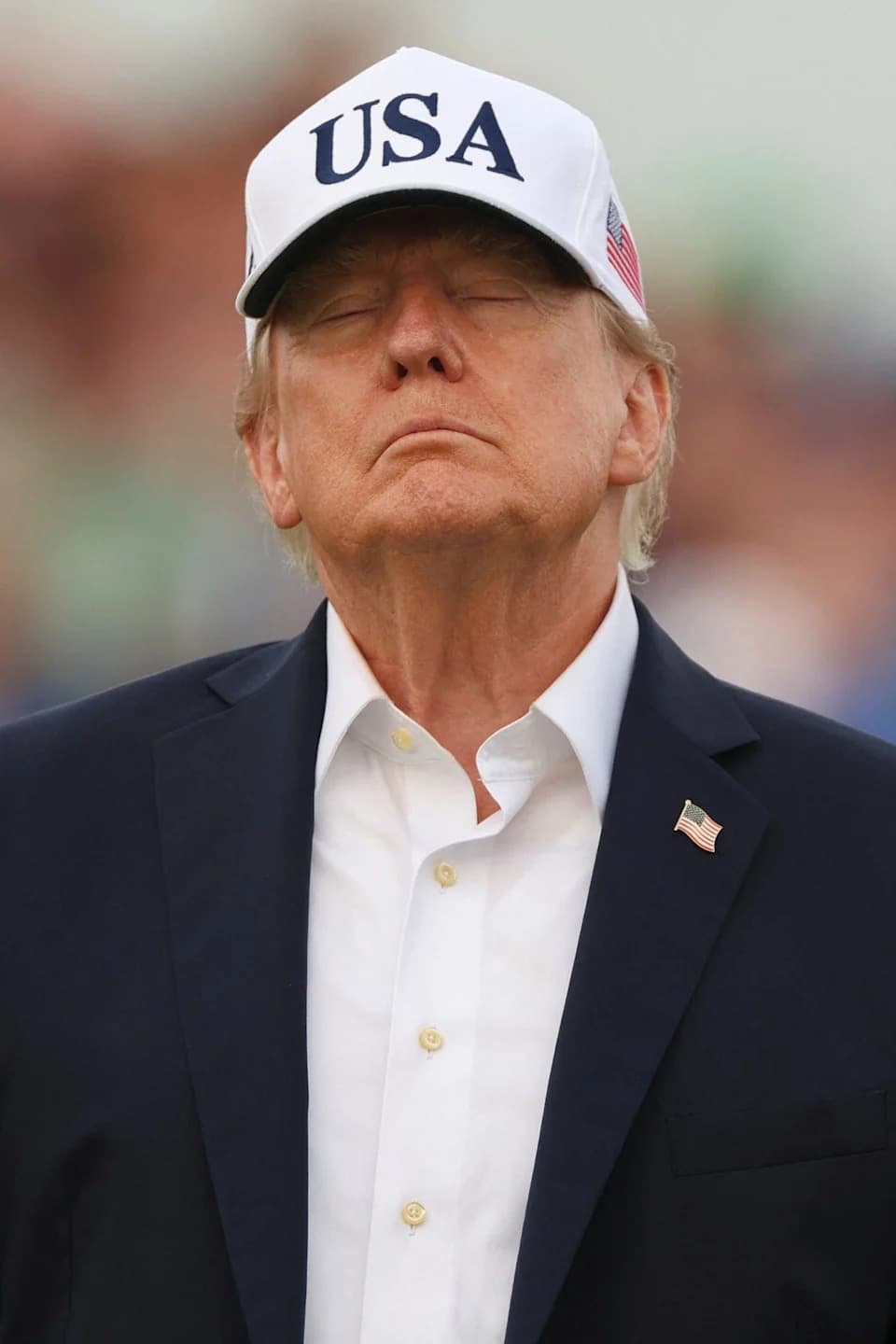
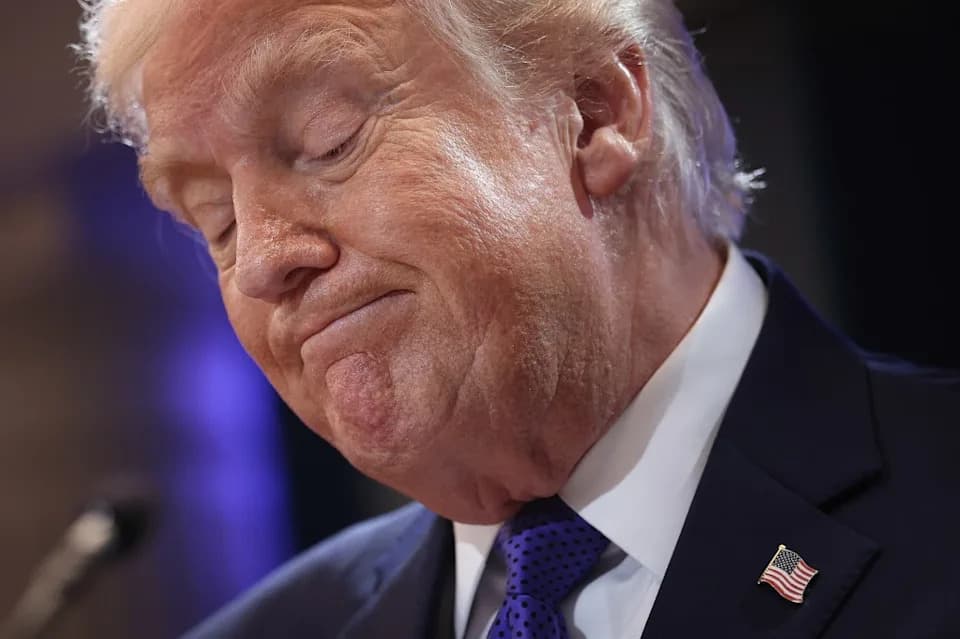
Trump at the Republican midterm convention in Dallas earlier this month.Photograph: Kent Nishimura/AFP/Getty Images
Election-security experts warn that the hours and days after November's midterm elections — the post-election "counting window" — are especially vulnerable to efforts by President Donald Trump’s allies to amplify baseless claims and try to disrupt results. With control of Congress at stake and some states taking days or even weeks to finish counting, officials say a surge of doubt during that interval could be damaging to public confidence in the outcome.
Why the Counting Window Matters
Many states continue to count ballots after Election Day, and in places such as California that process can last weeks. Former federal officials say that delay creates an opening for coordinated narratives — domestic and foreign — that sow confusion and raise unfounded questions about the integrity of ballots and equipment while vote totals are still being finalized.
"That period, that waiting time, is where doubt begins to surface. And when it is then amplified by foreign actors and, frankly, by domestic actors, it starts to cause distrust in the integrity of the process," said Caitlin Durkovich, a former deputy homeland security adviser for resilience and response at the National Security Council.
Courts, DHS Actions and the 'Quiet Period'
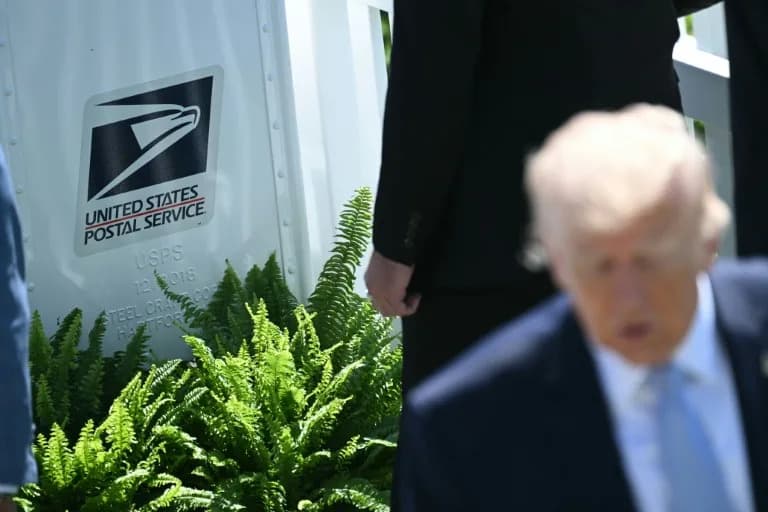
Although the Supreme Court recently upheld a lower-court injunction blocking the administration from using the U.S. Postal Service and the Department of Homeland Security to vet mail-in ballot deliveries, experts worry the administration may try other routes to exert influence during the counting window. Civil-rights groups such as the NAACP and the National Urban League have also voiced concern about persistent, unproven claims that federal intervention is needed to ensure election legitimacy.
Traditionally, the Department of Justice and the FBI observe a pre-election "quiet period" to avoid actions that could be perceived as influencing results. This year that restraint has broken down in some respects: DHS has pressed several states for voter-roll lists, asked states to preserve records from recent elections (including 2024), and pursued an "unlawful voter initiative" that a whistleblower told Congress may rely on questionable data.
"The federal government's claims of illegally-registered voters — claiming numbers that do not bear up under scrutiny — and rhetoric alleging fraud without evidence back up a narrative of fraud to undermine confidence in the elections," said Ben Hovland, former chair of the Election Assistance Commission.
Security Improvements — And Reduced Federal Support
Experts emphasize that the technical risk of a foreign power directly manipulating vote counts remains extremely low. "We don't have any examples of a country trying to interfere in the electoral process, in that technical process," said Beth Sanner, former deputy director of national intelligence. Election security has improved since 2020: states now routinely audit results and have strengthened cybersecurity measures.
At the same time, federal capacity to support states has declined. Geoff Hales, formerly with CISA's cyber defense partnerships, warned that staffing and funding cuts have reduced the technical assistance and threat briefings that state election officials previously received.
What Officials Recommend
Election administrators and advocates urge voters to use early and absentee voting options where available and for officials to proactively explain how counts proceed and how audits work. "The earlier people vote, the more secure they can feel that their vote is going to count," said Larry Norden of the Brennan Center for Justice. Clear communication before and during the counting window, experts say, is the best defense against manufactured controversy.
Help us improve.