Deals at the UN General Assembly highlight Africa’s push for resilience through regional partnerships and local processing. Leaders aim to shift from raw exports to value‑added processing to create jobs and reduce exposure to commodity volatility. The approach spans health, finance and energy, and underpins projects such as the proposed $16 billion Dangote refinery in Lamu. UN Secretary‑General António Guterres warned against exploitation in the scramble for minerals.
Africa's Resilience Drive: Regional Partnerships and Local Processing Take Center Stage
African resilience drive hinges on partnerships
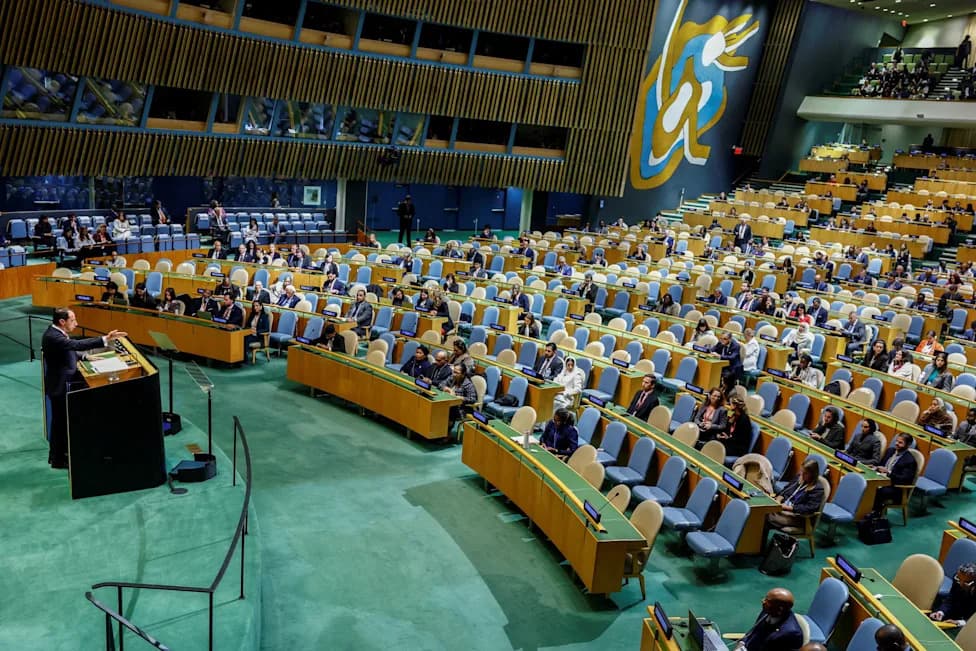
At this year’s UN General Assembly, deal-making on the sidelines — especially around critical minerals — underscored a broader African strategy: build resilience through regional partnerships and greater local value addition.
Partnerships As A Buffer
For many African leaders, these deals are about more than commerce: they are a form of economic insurance. Countries rich in minerals want to move beyond simply exporting raw ores and instead expand local processing to create jobs, retain more value on the continent and reduce vulnerability to volatile commodity cycles.
Risks And Safeguards
"No more plundering," UN Secretary‑General António Guterres warned at an event in New York, flagging the risk of exploitation as global demand for critical minerals rises.
Policymakers acknowledge those risks and are seeking frameworks and partnerships that protect national interests while attracting investment and technology transfer.
Resilience Beyond Mining
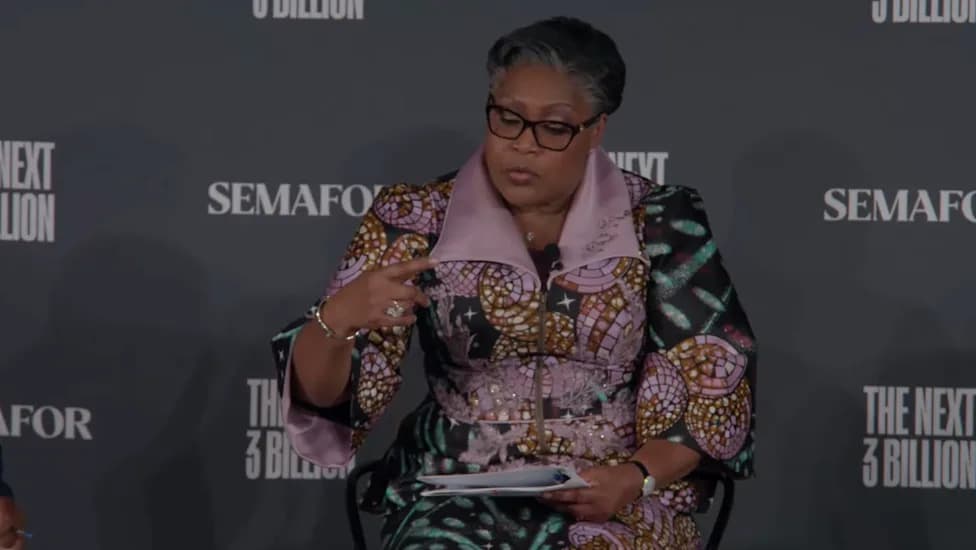
The resilience agenda extends across sectors. At Semafor’s The Next 3 Billion event, leaders argued for regional approaches to vaccine manufacturing, greater mobilisation of African financial markets and pension funds to finance development, and the collective scaling of technical expertise.
Energy And Industrialisation
Energy and refining are central to this vision. Plans for an East African refining hub — and the example of Aliko Dangote’s mega‑refinery in Nigeria — highlight the payoff from local processing: increased autonomy, job creation and reduced dependence on imports. Kenya’s trade minister told Semafor that resilience requires not only securing supplies but also building processing capacity close to home at a scale that serves regional markets. That is the rationale cited for the proposed $16 billion Dangote refinery in Lamu, which is expected to break ground next week.
As Semafor’s Yinka Adegoke observed, Africa’s path to sustainable development will demand reliable, large‑scale electricity, significant capital, and specialised technical expertise to enable local mineral processing and broader industrialisation.
What This Means: The current push is less about isolation and more about cooperation — forging regional supply chains, mobilising domestic finance, and building productive capacity so African economies can capture more value from their natural resources.
Help us improve.