Walmart was granted two patents — in January and March — that describe systems to forecast demand and adjust prices. While the filings appear to target item-level, demand-driven pricing rather than individualized prices, privacy advocates warn that loyalty programs and online tracking lower barriers to personalized pricing. The Federal Trade Commission is considering whether companies should disclose when personal data affects a price.
Walmart Patents Spark Renewed Fears That Shopper Data Could Affect Prices

Photo Credit: Getty images
Walmart's recently granted patents — one issued in January and another in March — have reignited a familiar concern: if a retailer collects extensive data about customers, could that information eventually influence the price each shopper pays?
What the Patents Describe
According to Fortune, the January patent outlines an automated system that sets online markdowns by forecasting demand and observing how shoppers respond to price changes. The March patent focuses on using past purchases to predict demand and recommend prices.
Item-Level Versus Individual Pricing
Experts emphasize that the filings, as described, address item-level price adjustments rather than individualized pricing targeted at specific customers. Jameson Spivack of the Future of Privacy Forum said the patents describe “systems that are adjusting prices at the item level rather than at the individual level.” Put simply, changing demand could raise or lower a product's price for everyone, rather than produce separate prices for different shoppers.
“A patent does not mean a technology is in use today or will become a Walmart product or service. Walmart doesn't charge different prices based on a customer's personal information or purchase intent or history,” a Walmart spokesperson said.
Data Collection and Consumer Concerns
Walmart's privacy notice confirms the company collects purchase histories and tracks what customers browse and search for on its website and app. The company says it uses these data to personalize ads, product recommendations, and promotions. Consumer advocates warn that if companies move from targeted advertising to targeted pricing, the greatest harm would likely fall on people with the least financial flexibility.
Jay Stanley, a senior policy analyst at the ACLU, noted that while the patents do not appear to describe individual-level pricing, loyalty programs and online accounts have made it easier for retailers to identify shoppers and track habits over time — which lowers the technical barrier to personalized price experiments.
Digital Shelf Labels and Store Rollout
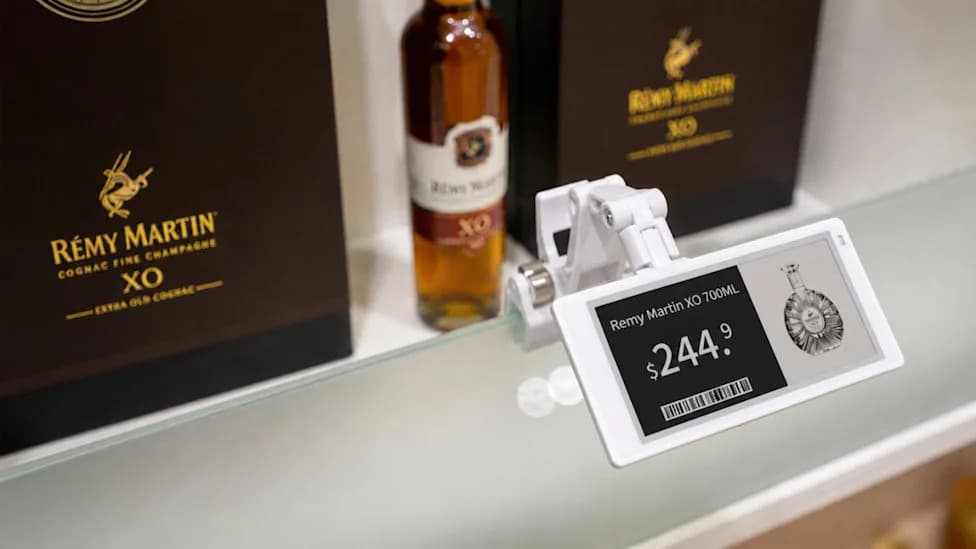
Walmart has been expanding digital shelf labels in stores: the company said in March that about 2,300 U.S. locations already have the labels and that it expects a chainwide rollout. Walmart maintains that the digital labels do not collect customer data and that everyone in the same store sees the same in-store price regardless of demand, time of day, or customer identity. The company also said employees approve price changes, typically when customers are not shopping.
Regulatory Spotlight
The Federal Trade Commission is weighing whether companies should be required to disclose when personal data has influenced a price. That potential policy change reflects broader concerns about transparency and fairness as retailers adopt more sophisticated pricing tools.
What Shoppers Should Know
- Patents describe possible tools, not confirmed current practices.
- Item-level dynamic pricing responds to demand rather than automatically producing different prices for each individual.
- Data from loyalty programs and online behavior can make personalized pricing technically easier to implement, even if firms say they do not use it that way today.
As retailers test automated pricing systems, the central question remains: will price changes reflect broad demand signals, or will they be tied to the identity and profile of individual shoppers? Regulators, consumer advocates, and lawmakers are watching closely.
Help us improve.