Patrick (@rapidpenguinz) posted a viral TikTok claiming a tub of butter labeled $3.98 scanned at a higher price at a Walmart checkout minutes after he picked it up. A store manager reportedly told him prices can change as systems update, which sparked online concern about dynamic or personalized pricing. The FTC has warned retailers about personalized pricing and urged transparency, while Walmart CEO John Furner denied using customer data to set prices and said digital shelf labels help keep prices consistent.
Walmart Shopper Says $3.98 Butter Scanned Higher at Checkout — 'Are We Serious?'
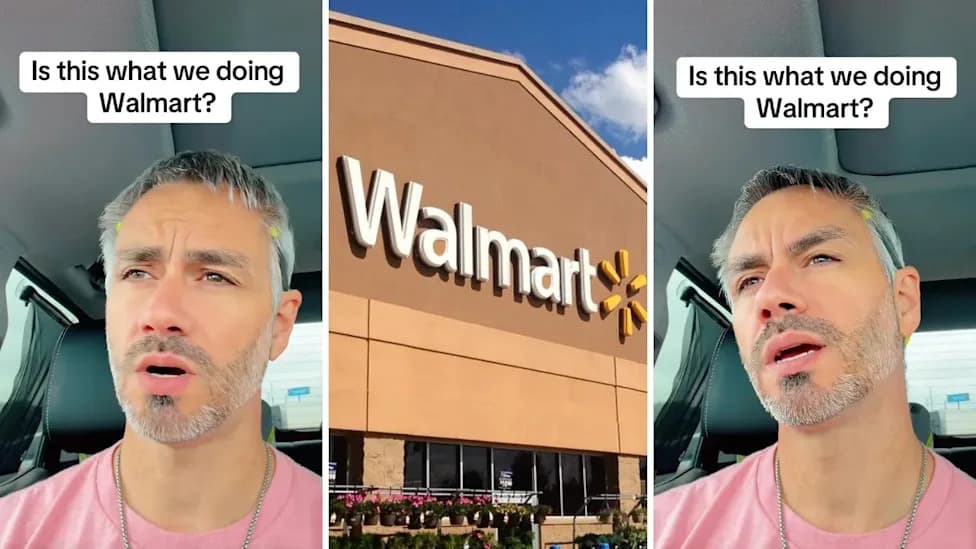
Screenshot via @rapidpenguinz/TikTok; JeepersMedia, CC BY 2.0.
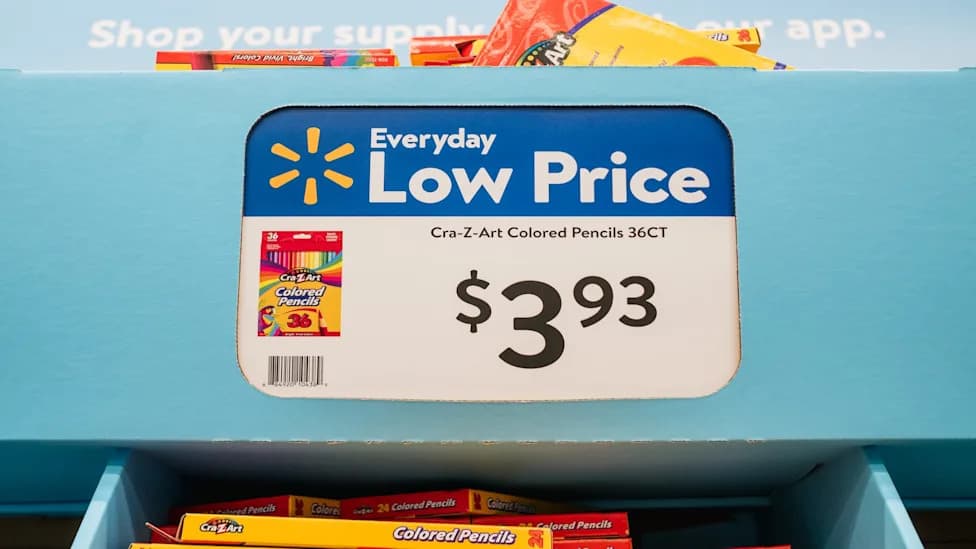
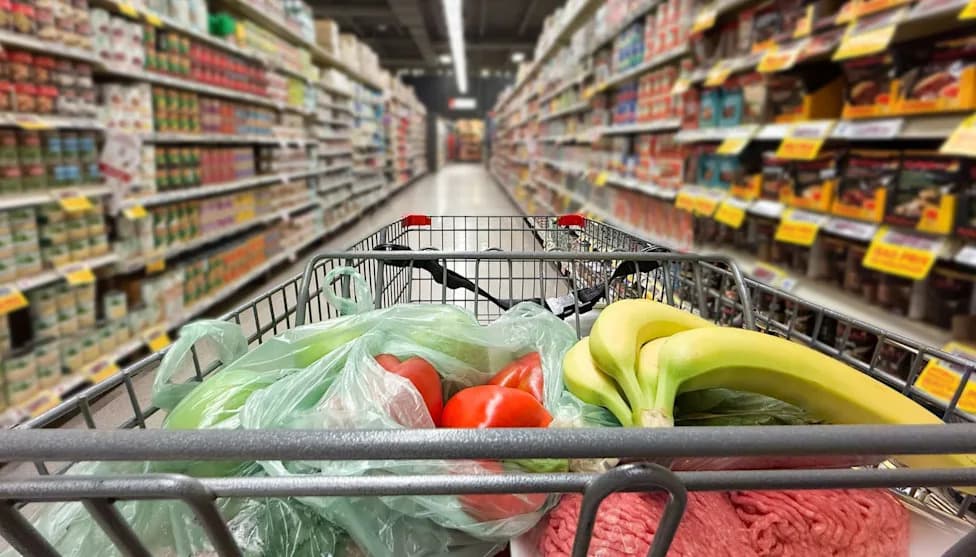
Food prices in the United States have risen sharply in recent years, making bargains more important for many households. A TikTok video from user @rapidpenguinz has struck a chord after the poster said a tub of butter marked $3.98 rang up for a higher price just minutes later at a Walmart checkout.
What Happened
Patrick — who posts as @rapidpenguinz — shared a clip that has drawn hundreds of thousands of views. He says he and his son stopped at Walmart to pick up butter and a few baking items. After grabbing a tub of butter labeled $3.98, he says the price scanned higher at the register when he checked out shortly afterward.
“You can't tell me that if I pick up an item that's $3.98, by the time I walk to the register, which is less than two minutes, and the price goes up?” Patrick says in the video.
Store Response and Shopper Reaction
Patrick says he raised the issue with a store manager, who told him prices can change as store systems update. That explanation left Patrick and many viewers skeptical. The clip sparked a strong reaction online, with commenters urging boycotts, accusing the retailer of relying on shoppers not noticing small price changes, or suggesting the use of dynamic or personalized pricing.
Regulatory and Corporate Context
Federal regulators have warned retailers about so-called "personalized pricing," which would use consumer data to alter offers. The Federal Trade Commission (FTC) has said consumers expect the price shown on a shelf or label to be the price available to everyone. While the FTC has limited authority to ban personalized pricing outright, it has signaled interest in stronger consumer protections and greater transparency around how personal data might affect offers.
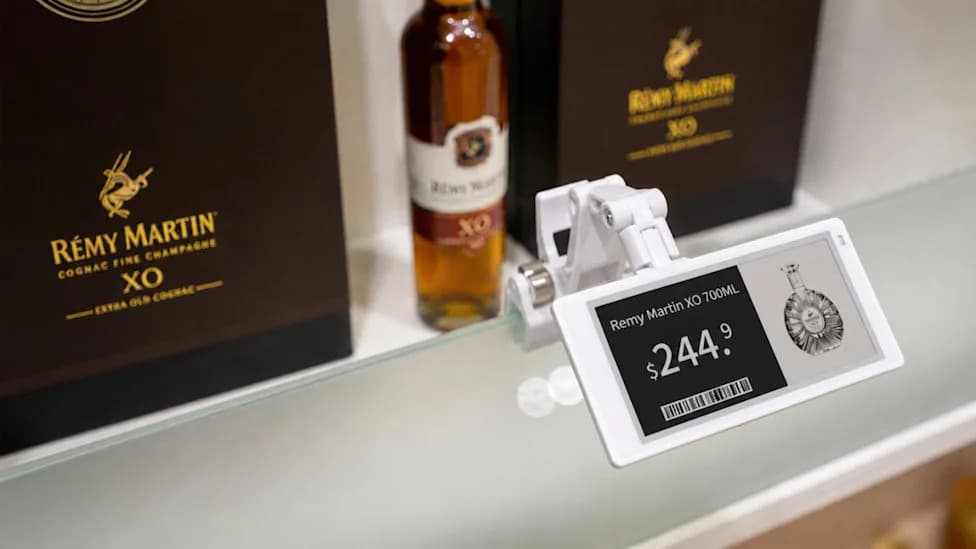
Walmart's CEO, John Furner, issued a statement on Sept. 25 denying that the company uses shoppers' personal data to raise prices. Furner said using income, shopping history or a customer’s moment of need to charge more would violate Walmart’s everyday-low-price (EDLP) approach, and he added that digital shelf labels are intended to help ensure shelf prices match checkout prices.
What Shoppers Can Do
If you encounter a price discrepancy at a store, consider these steps: check the receipt immediately, point out the shelf or tag price to the cashier or manager and ask for a correction, take a photo of the shelf tag, and keep a record of the transaction. If you believe a retailer engaged in deceptive pricing, you can contact the store’s customer service, your state consumer protection office, or file a complaint with the FTC.
Bottom line: Price mismatches can be frustrating and potentially costly. Retailers and regulators are under scrutiny over pricing practices and technology that could change how prices are displayed and applied. For now, Walmart says its systems and digital shelf labels are meant to keep prices consistent, while the FTC has warned companies to be transparent about any use of personal data in pricing.
Help us improve.