Reclaiming Worker Power in the Age of AI traces how a 1902 kosher meat boycott in New York — led by Fanny Levy and Sarah Edelson and backed by some 20,000 residents — succeeded because prices were public and people could compare notes. Today, grocery apps and AI-driven personalization hide prices behind individual offers, fragmenting visibility and complicating collective responses. The piece argues that preserving worker and consumer power requires new tactics: transparency, data access, collective organizing around outcomes, and algorithmic accountability.
When Prices Are Personalized: Reclaiming Worker Power in the Age of AI

This year I broke the Yom Kippur fast the way generations of New Yorkers have: with bagels and lox. After glancing at my receipt I found myself thinking about the rising cost of food — and about how different those conversations would be today.
There is a useful lesson from 1902. In the spring of that year the retail price of kosher meat on the Lower East Side leapt from 12¢ to 18¢ a pound. The increase was not driven by drought or shortage but by market concentration: a small cluster of meatpacking firms — the “beef trust” — had come to dominate supply. For crowded immigrant families, the spike meant less food on the table.
The women who bought and cooked would not accept the rise. Neighbors Fanny Levy and Sarah Edelson canvassed Monroe Street, picketed butcher shops and brought their campaign into synagogues, climbing the bimah during Shabbat services to urge a boycott. Flyers stamped with a skull and crossbones read:
“Eat no meat while the Trust is taking meat from the bones of your women and children.”The protest swelled to roughly 20,000 New Yorkers; kosher meat sales collapsed and the retail price fell from 18¢ to 14¢ a pound in weeks.
What made that mobilization possible was visibility: prices were public, shoppers could compare notes, recognize a shared injury and organize around a single, observable demand. That kind of collective action depends on a shared fact.
Now imagine the same scene in 2026. Sarah opens a grocery delivery app and sees one price for meat. Fanny opens the same app and sees another. A neighbor down the block sees a third. The platform knows each shopper’s purchase history, address and local alternatives; it can infer urgency and willingness to pay. Each consumer sees only the price offered to her.
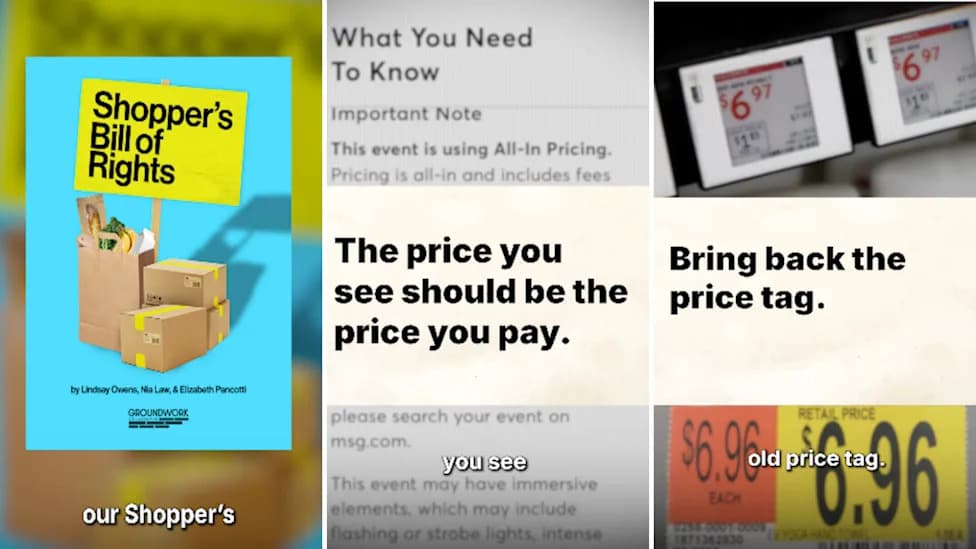
Personalized pricing and algorithmic offers fragment visibility and make traditional tactics — like boycotts, public petitions or coordinated wage demands — much harder to execute. When every price and wage can be tuned to the individual, it becomes difficult for people to know whether they share the same harm, let alone to rally around a single figure or demand.
That does not mean collective action is impossible. It means the tools and strategies must evolve: pushing for price transparency, demanding access to platform data, organizing around shared outcomes instead of single prices, and pressing for algorithmic accountability and stronger consumer and labor protections. The fight for worker and consumer power remains — but in an era where economic power is exercised person by person, visibility and solidarity must be rebuilt with new methods.
Help us improve.