The proposed Shoppers' Bill of Rights, introduced by Lindsay Owens and the Groundwork Collaborative, reframes common consumer headaches — surge fares, shifting shelf prices, and hard-to-cancel subscriptions — as enforceable rights. The initiative lists 12 protections focused on pricing transparency, simpler cancellations, the right to repair, fair refunds, limits on ticket resales, and AI safeguards. Advocates say many protections exist but are poorly enforced, and the bill aims to shift the burden from shoppers to stronger rules and enforcement.
Shoppers' Bill of Rights: A Push to Stop Surge Pricing, Shifting Shelf Tags and Hard-to-Cancel Subscriptions
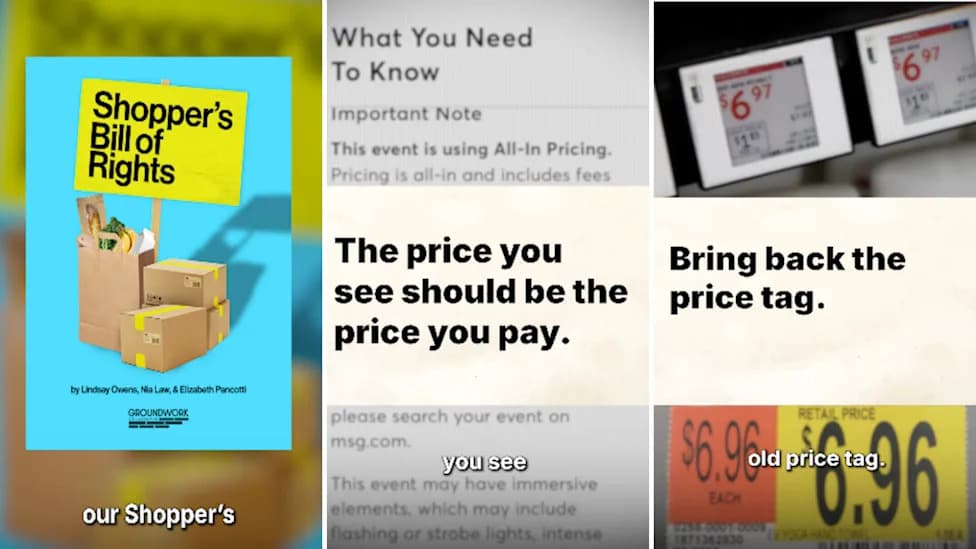
Photo Credit: Instagram
Issues many consumers accept as part of modern commerce — sudden fare spikes, store prices that change before checkout, and subscriptions that are difficult to cancel — are being reframed as matters of consumer rights under a proposed Shoppers' Bill of Rights.
The initiative, introduced by Lindsay Owens and the Groundwork Collaborative, was unveiled in an Instagram video and a news release outlining 12 specific rights aimed at curbing tech-enabled practices that disadvantage shoppers.
What The Proposal Targets
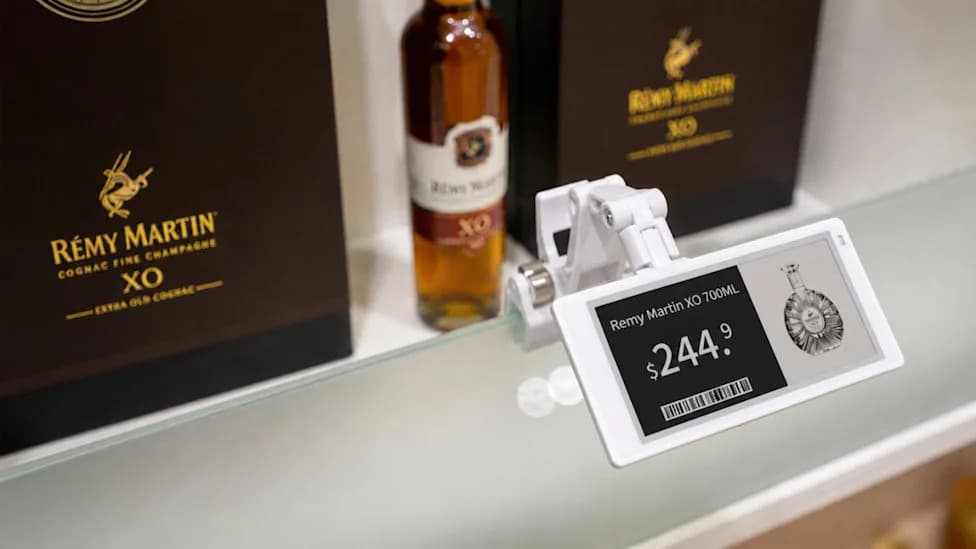
Owens highlights practices such as dynamic or surge pricing (for example, ride-hailing fare spikes), electronic shelf labels that can change prices rapidly, and deliberate friction when consumers try to cancel services. She argues many protections already exist on paper but are poorly enforced, leaving shoppers to monitor and second-guess transactions that should be straightforward.
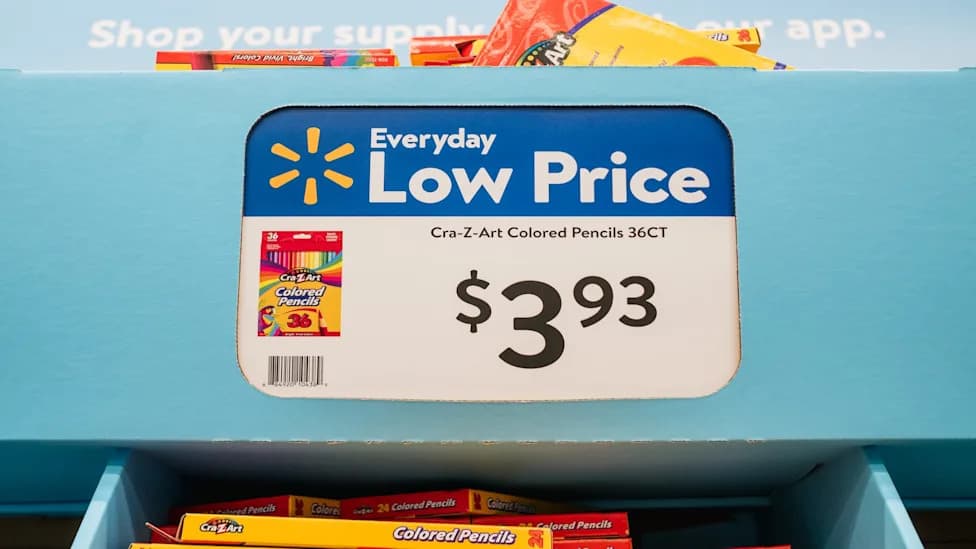
“What if there was a set of rules that protected you from corporate America's worst rip-offs?” Owens asks in the video, citing examples including Uber surge pricing, Walmart's electronic shelf labels, and hard-to-cancel gym memberships.
Rights and Remedies Proposed
The Shoppers' Bill of Rights lists a dozen protections designed to restore clarity and fairness to everyday commerce. Key measures include:
- Price transparency and limits on instantaneous price changes
- Clear display of total cost, including taxes and mandatory fees
- Simpler cancellation processes and stronger refund rules
- The right to repair consumer devices and clearer warranty terms
- Controls on unfair ticket-resale practices
- Guardrails for artificial intelligence shopping agents and recommendation systems
Public Reaction and Context
Commenters on Owens' post echoed frustration with dynamic pricing and opaque practices. Some called frequent price shifts “price-gouging,” while others urged that taxes be included in displayed prices and criticized convoluted unsubscribe flows for marketing emails.
Industry moves such as Kroger’s rollout of digital shelf labels have sparked concern among lawmakers that grocery prices could become more volatile. Supporters of the bill say the problem is not technology itself but how companies use it to extract more money from customers.
Enforcement Is Central
Advocates stress that many of the proposed rights reflect existing legal protections that are not consistently enforced. The bill is framed as a policy blueprint to give regulators clearer tools and to shift some responsibility away from individual shoppers having to police complex systems.
“It shouldn’t be just on consumers to dodge and weave these giants,” Owens wrote in her post. “It’s time for more.”
Why It Matters
If adopted, these rules could reshape everyday transactions for millions — from how ride fares are computed to how prices show up on store shelves and how easily people can cancel recurring services. The initiative is likely to provoke debate among regulators, retailers, technology platforms and consumer advocates about where to draw lines for fair, transparent commerce.
Note: The proposal is a policy framework and would require lawmaking and enforcement changes to take effect.
Help us improve.