Independent testing in Beaverville, Illinois found no detectable chlorine residual in two homes and Legionella pneumophila at levels reported to be 129 times the CDC's immediate-response threshold. Residents have complained for years about dark, odorous water that state officials described as an "aesthetic" issue tied to manganese and iron. After several respiratory illnesses and one probable pneumonia death in a household, a resident urged health authorities to open a legionellosis cluster investigation and issue warnings about aerosol-generating water uses. The case highlights vulnerabilities in small, underfunded water systems that can lose disinfectant protection and allow bacterial growth.
Independent Tests Find High Legionella Levels After Years Of Dark, Foul Tap Water In Beaverville, Illinois
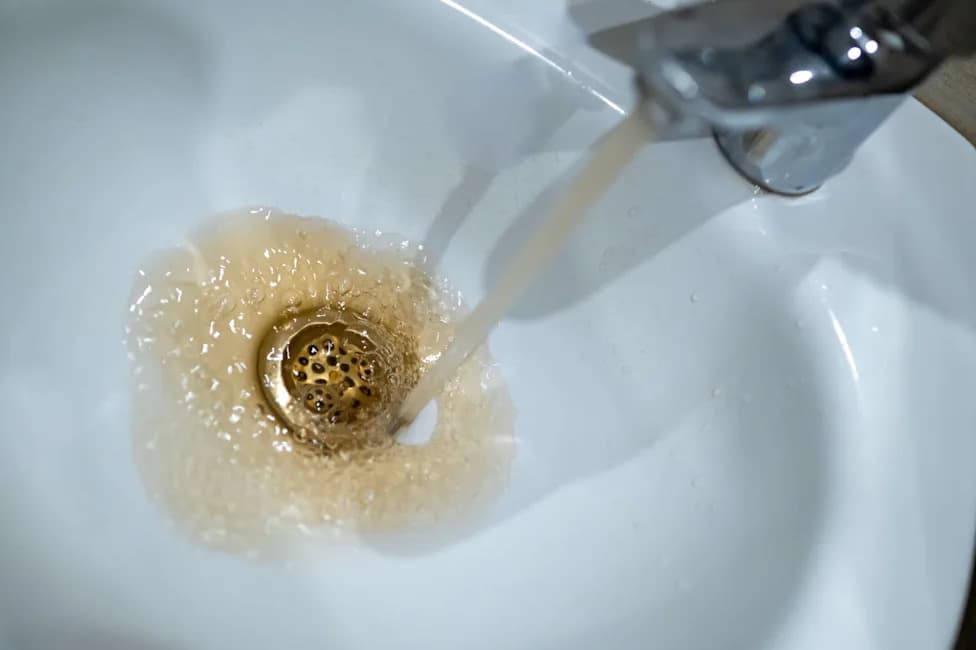
Photo Credit: iStock
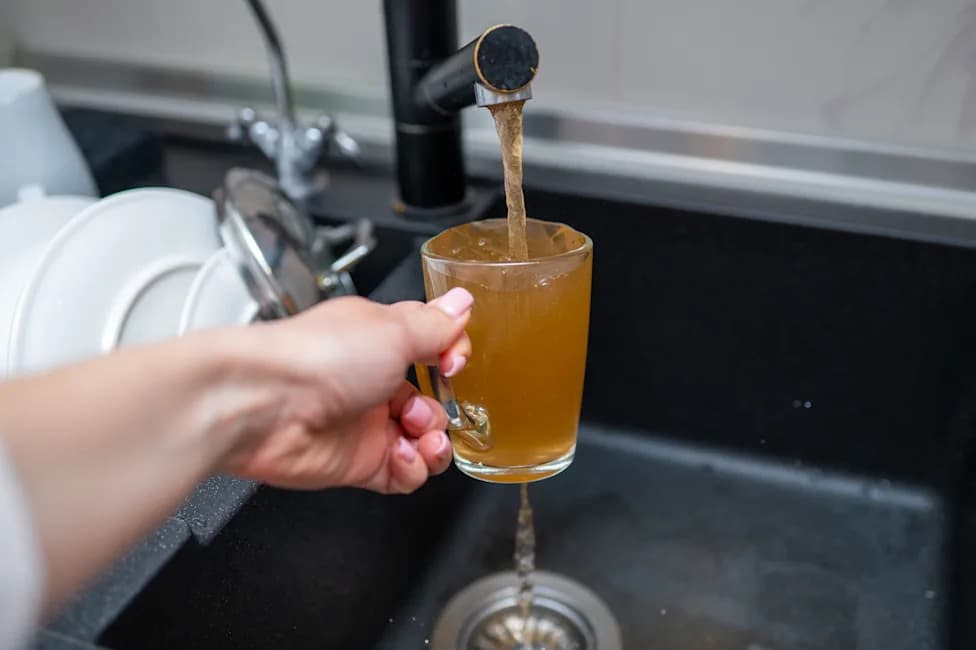
Residents of Beaverville, Illinois — a village of roughly 300 people about 80 miles south of Chicago — have long endured dark, foul-smelling tap water. What many treated as an ongoing nuisance took on a more alarming tone after independent sampling and a resident's appeal to health authorities raised the possibility that the water had lost its disinfectant residual and could be allowing Legionella bacteria to grow.
ABC News reported on community complaints in November and April; the Illinois Environmental Protection Agency (IEPA) attributed the discoloration to elevated manganese and iron and described the problem as primarily aesthetic while saying the water remained safe to drink.
Those assurances were challenged after resident Kathleen Butron contacted Virginia Tech water expert Dr. Marc Edwards. Butron and three relatives developed respiratory illnesses, and her 87-year-old mother-in-law was later diagnosed with probable pneumonia and died.
Independent Sampling Finds Concerning Results
During a sampling trip on Aug. 22–23, Edwards' team reported no detectable residual chlorine at two homes they tested. Laboratory analysis detected Legionella pneumophila — the bacterium associated with Legionnaires' disease — at concentrations that, after retesting, were reported at 129 times the Centers for Disease Control and Prevention (CDC) immediate-response threshold.
"I am very ill with pneumonia and concerned it could be Legionnaire's disease related to this contaminated water," Butron wrote in an email seeking help from the EPA. "We urgently need safe and clean drinking water provided to our household. What specific actions are being taken to resolve this? This situation is putting my household in peril. Please address it immediately!"
Health officials note that Legionnaires' disease is not spread person to person; infections typically occur when people inhale water droplets or mist that contain the bacteria, such as from showers. Butron has asked state and county health officials for a formal community legionellosis cluster investigation, expanded household sampling, re-examination of recent pneumonia diagnoses, and immediate guidance cautioning that aerosol-generating water uses may be risky.
Broader Context: Small Systems Face Vulnerabilities
Experts and former whistleblowers have pointed out that many U.S. public water systems are small and underfunded. Miguel Del Toral, known for his work on the Flint water crisis, noted that most public systems serve 3,300 people or fewer and can struggle with funding, staffing, and operator turnover — factors that can undermine consistent treatment and monitoring.
Similar disputes over water safety have surfaced elsewhere: residents in Watts, Los Angeles, raised long-standing complaints before lead was found in local taps; Pennsylvania regulators have flagged PFAS exceedances in multiple systems; and an EPA review has warned that millions of Americans may face contaminated drinking water risks.
Federal and state agencies, including EPA Region 5 and the IEPA, participated in a conference call with Edwards' team and Butron on Aug. 31 to discuss the findings. Officials have not established a direct causal link between the detected Legionella and specific illnesses in Beaverville, and investigations and public health guidance are ongoing.
What Residents Should Know: If you live in a system with discolored or foul-smelling water, avoid inhaling aerosols from showers or hot tubs until you receive guidance from health authorities; use bottled water for drinking and vulnerable household uses if advised; and report illnesses and persistent water quality problems to local health departments.
Help us improve.