The New York City Health Department detected Legionella in a cooling tower at Yankee Stadium—one of 10 Bronx towers testing positive amid a South Bronx cluster that has produced 10 cases, including one death and three hospitalizations. Officials are running culture tests, which can take up to two weeks, to confirm whether the bacteria were alive and capable of causing illness. The Yankees said their Aug. 20 internal test was negative and that the flagged stadium tower was drained and sanitized. Residents and visitors to Melrose and Morrisania since late August are urged to seek medical care for flu-like symptoms.
Legionella Detected in Yankee Stadium Cooling Tower Amid South Bronx Legionnaires' Cluster
Legionnaires’ disease bacteria found at Yankee Stadium amid deadly Bronx outbreak
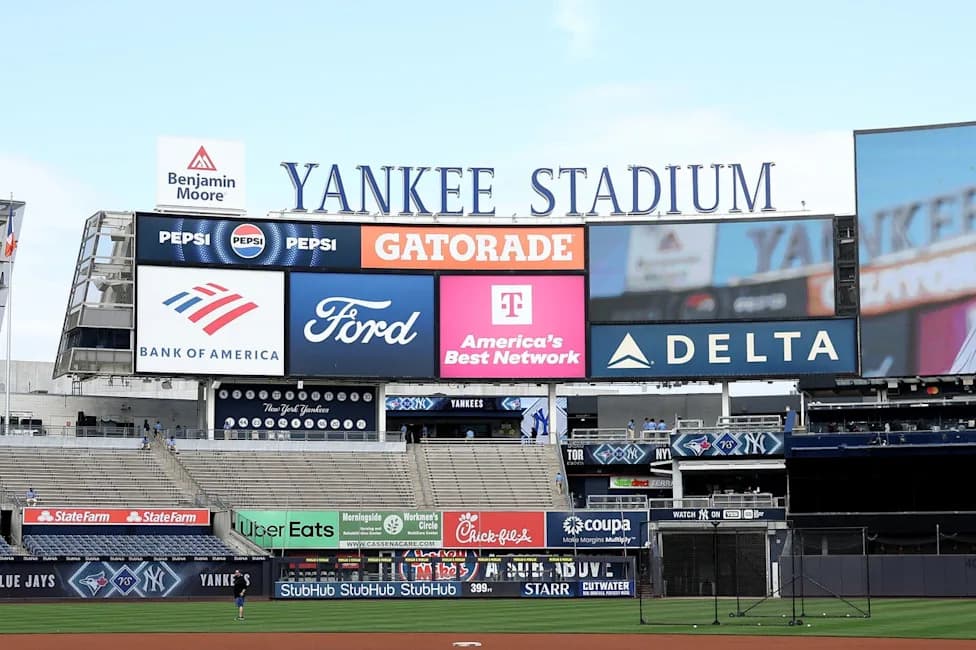
Legionella bacteria capable of causing the potentially fatal Legionnaires' disease have been found in a cooling tower at Yankee Stadium, New York City health officials said. That tower is one of 10 Bronx structures that tested positive as part of a local cluster that has to date included one death and multiple hospitalizations.
The New York City Department of Health is conducting additional laboratory culture tests to determine whether the Legionella detected are alive. Only live (active) bacteria can cause the pneumonia-like illness; culture confirmation can take up to two weeks.
Cluster Details and Actions Taken
Health officials are investigating a probable community cluster in the South Bronx neighborhoods of Melrose and Morrisania, where Yankees Stadium is located. To date, 10 people have tested positive in the cluster; one person has died and three remain hospitalized, according to the Health Department.
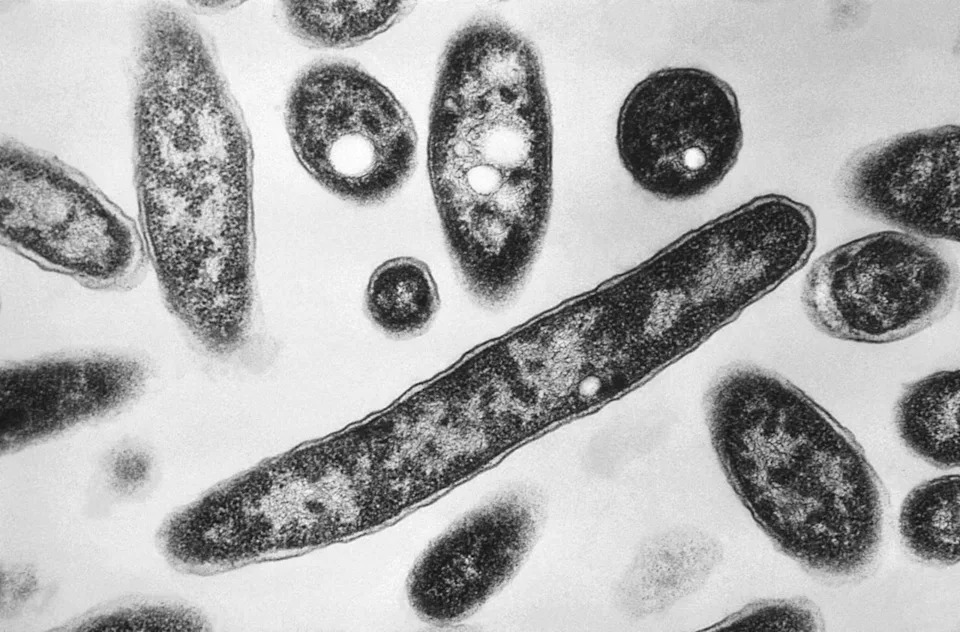
Legionnaires' disease bacteria (CDC)
Authorities ordered the owners of all 10 cooling towers that tested positive to clean and disinfect their systems by the specified deadline. The Yankees said the specific stadium tower that flagged positive was completely drained and sanitized on Sunday morning.
What the Yankees Say
In a statement, the New York Yankees said the ballpark installed new, state-of-the-art cooling towers in 2024 and that those towers undergo weekly water-quality and bacteria checks, with results submitted monthly to the city. The team noted its own most recent internal test, conducted on Aug. 20, was negative for Legionella and emphasized that municipal testing used a different method last week.
No current cases have been associated with Yankee Stadium, the team said. "Additionally, the New York City Department of Health has not at any point this month asked us to postpone our games," the statement added.
Health Guidance and Context
The Health Department urged anyone who lives, works or has visited Melrose and Morrisania since late August to contact a healthcare provider promptly if they develop flu-like symptoms such as cough, fever, shortness of breath or muscle aches. Legionnaires' disease is treatable with antibiotics, but the U.S. Centers for Disease Control and Prevention (CDC) estimates a fatality rate of roughly 10% among reported cases.
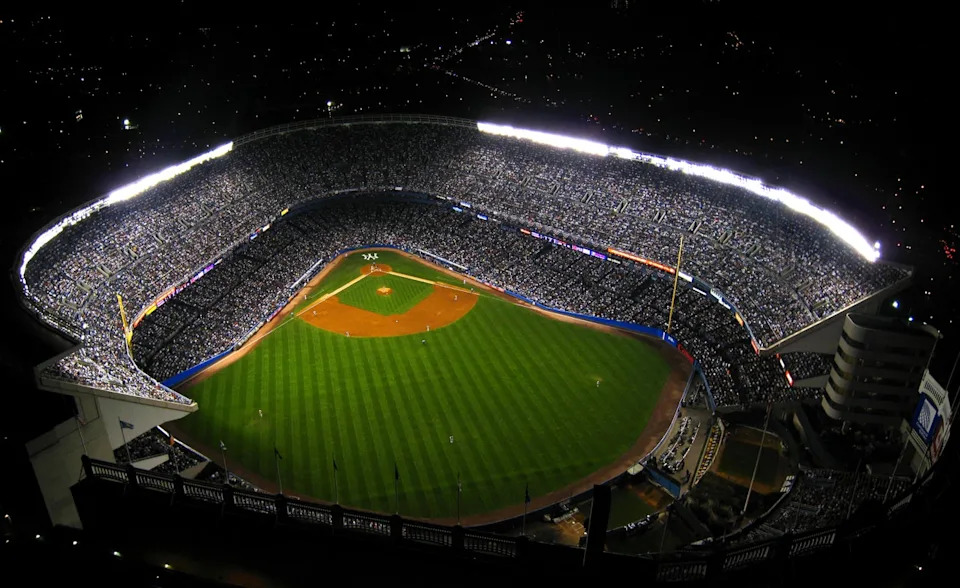
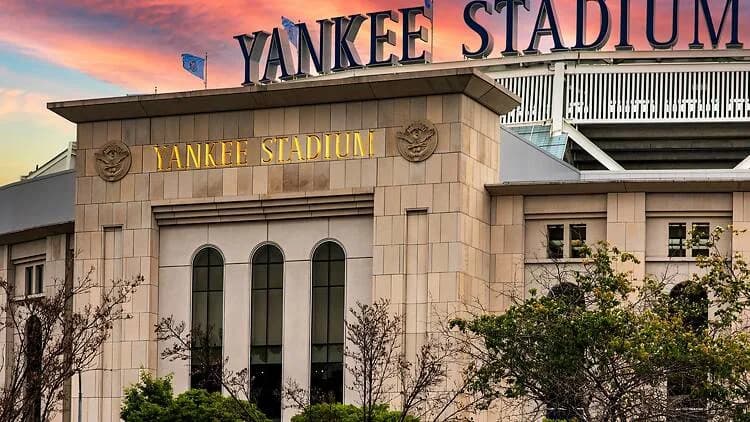
An aerial view of Yankee Stadium (Getty)
Legionella bacteria multiply in warm water systems including building cooling towers, hot tubs and certain plumbing systems. People become infected by inhaling small contaminated water droplets; the illness is not spread from person to person.
This episode follows a larger outbreak earlier this summer on Manhattan's Upper East Side that produced more than 90 confirmed cases and 11 deaths; municipal testing at that time found live Legionella in dozens of cooling towers, which were subsequently cleaned and disinfected. A separate outbreak in Harlem last year resulted in multiple deaths and illnesses.
What To Watch For: Culture results from the 10 towers will determine whether the detected bacteria were live. Officials will use those results to direct any further public-health actions and notifications.
Help us improve.