Your First Home is a new government scheme announced by Prime Minister Andy Burnham that offers first-time buyers in England a 20% equity loan on new-build homes provided they can raise a 2.5% deposit. The loan starts with an interest-free period and will be funded partly by reprioritised budgets and contributions from developers, with full details due in next month’s Budget. The plan echoes the earlier Help To Buy programmes — praised for widening access but criticised for failing to address affordability in expensive areas — and has drawn mixed political and industry reactions.
Burnham Unveils 'Your First Home' Scheme — 20% Equity Loans For First-Time Buyers
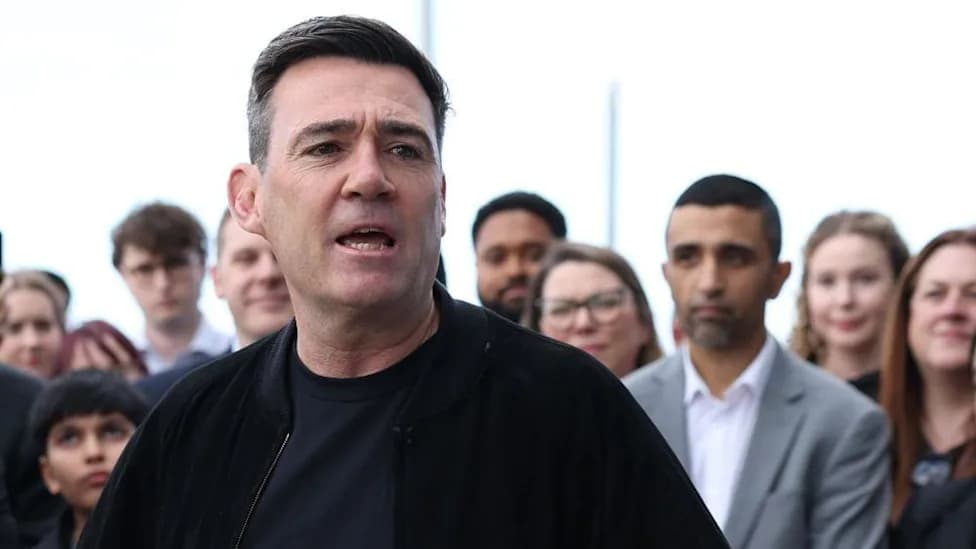
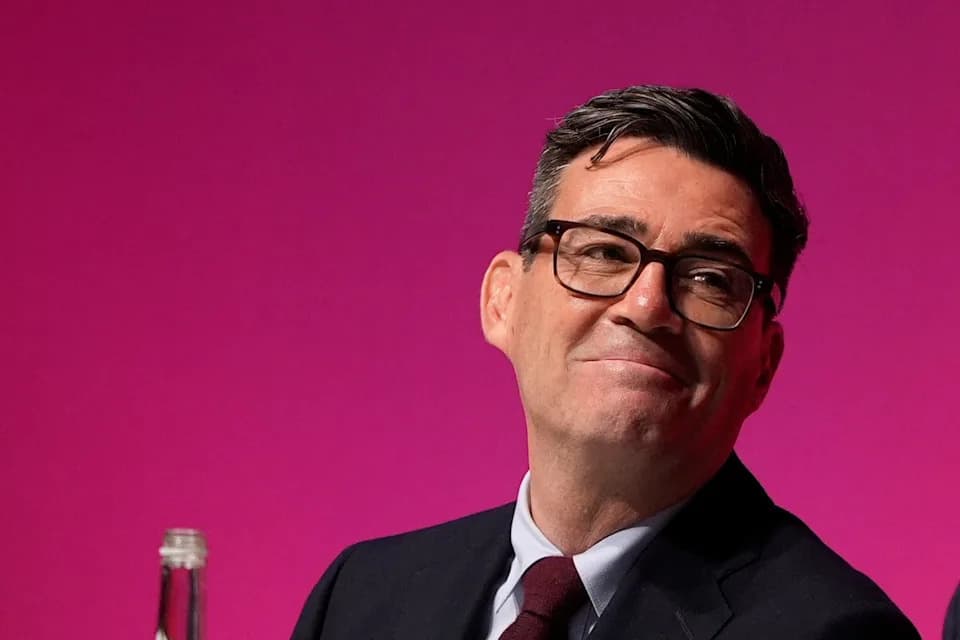
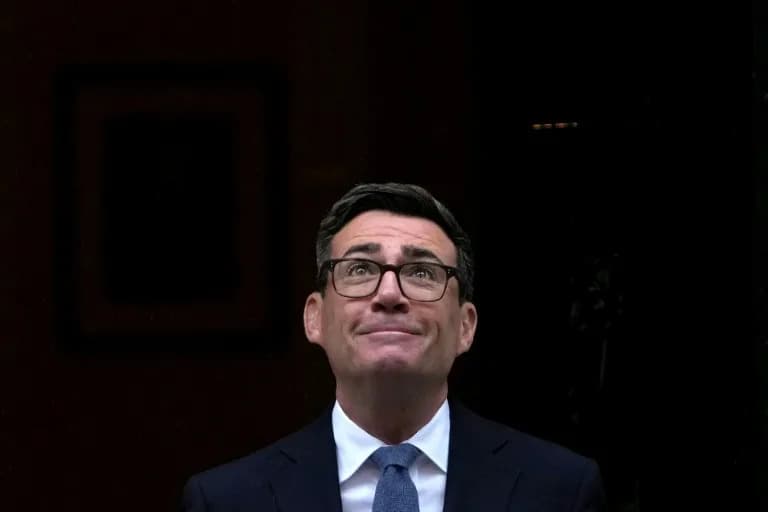
The prime minister announced the scheme on the eve of the Labour Party conference in Liverpool [EPA/Shutterstock]
Prime Minister Andy Burnham has announced a new housing initiative, Your First Home, designed to help first-time buyers in England overcome deposit barriers to purchasing newly built homes.
What the Scheme Offers
The scheme would be open to first-time buyers with a minimum deposit of 2.5%. Eligible purchasers could receive an equity loan worth 20% of the value of a new-build property to help cover the purchase. The loan will begin with an initial interest-free period; ministers say fuller terms and timelines will be set out in next month’s Budget.
Funding, Eligibility And Developer Contributions
Funding is expected to come from reprioritised government budgets, while housing developers will contribute towards the scheme’s running costs. Ministers have not yet confirmed whether there will be age limits, regional or national price caps on eligible properties, or other eligibility rules.
Government Rationale
"Too many young people are struggling with the cost of housing, with many giving up hope of ever having a home to call their own. So we will step in to help more first-time buyers onto the housing ladder,"
Burnham said the policy is aimed particularly at people who lack family financial support — the so-called "bank of mum and dad" — and that it should give builders the confidence to deliver more high-quality new homes.
Reactions
The announcement drew mixed responses. The Home Builders Federation welcomed the move, saying a well-designed scheme can make a meaningful difference for households struggling to buy. Labour’s Housing Secretary Angela Rayner said the plan would "build on the lessons learned from previous schemes, while retaining the benefits."
The Conservatives warned the policy risks saddling first-time buyers with more debt and could add upward pressure to new-build prices. Shadow housing secretary Katie Lam criticised the plan for relying on more borrowing and for placing potential costs on taxpayers and developers.
Background: Lessons From Help To Buy
The proposal resembles earlier government schemes, notably the coalition-era Help to Buy programme first introduced in 2013. That scheme allowed buyers to put down a 5% deposit on a new-build (up to a £600,000 cap at the time) and provided up to 20% through a shared equity loan that was interest-free for the first five years. Evaluations show more than 387,000 homes were purchased through Help to Buy, 328,000 of them by first-time buyers, and that the scheme helped many but did not resolve affordability in already-expensive areas.
Wider Context And Related Measures
The announcement came as Burnham arrived in Liverpool for his first Labour Party conference as prime minister, where he said the week would set out "a new direction for the country." Separately, ministers also unveiled a plan to speed access to guaranteed jobs for young people receiving health or disability support: from next April, eligible claimants would be offered roles after three months on benefits, with the government covering wages for up to 25 hours a week for six months.
What Happens Next
Ministers say more detailed rules, eligibility criteria and costings will be published in next month’s Budget. Observers and industry groups will be watching for any caps, age limits and the precise terms of the equity loan — including the length of the interest-free period and how later interest or repayment is handled — as these details will determine the scheme’s reach and its impact on house prices and public finances.
Source: BBC reporting and official government statements.
Help us improve.