Andy Burnham arrived promising a "new politics" but is drawing criticism for reviving a Help‑to‑Buy style scheme, "Your First Home", which offers a 2.5% deposit and a 20% equity loan for new‑builds. Critics warn it risks inflating prices without fixing Britain’s chronic housing‑supply shortfall. Major infrastructure issues such as the delayed Heathrow third runway underline the need for political will to push through big reforms. The Labour conference is Mr Burnham’s chance to show he can lead decisively.
Burnham's Early Test: Recycling Old Ideas Risks Failing Britain’s Big Challenges
Christian Adams
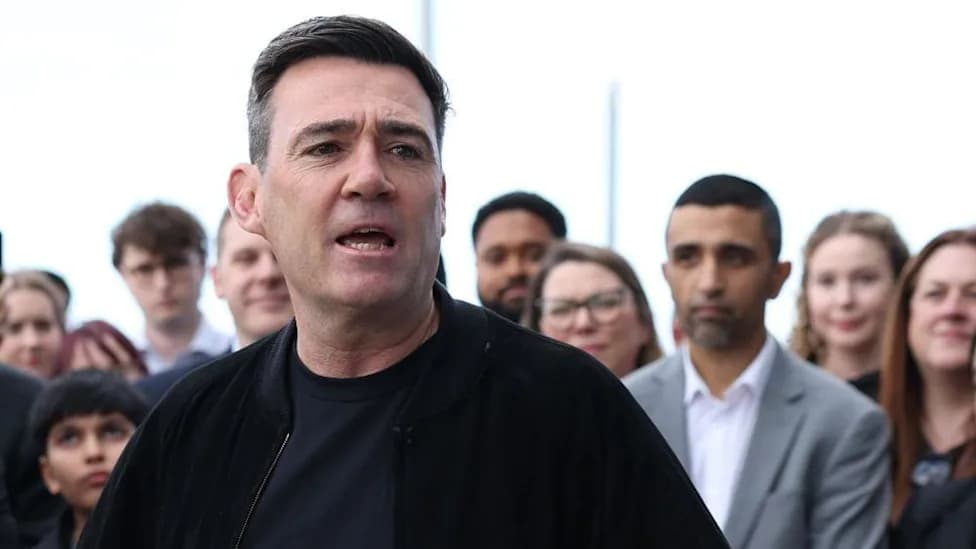
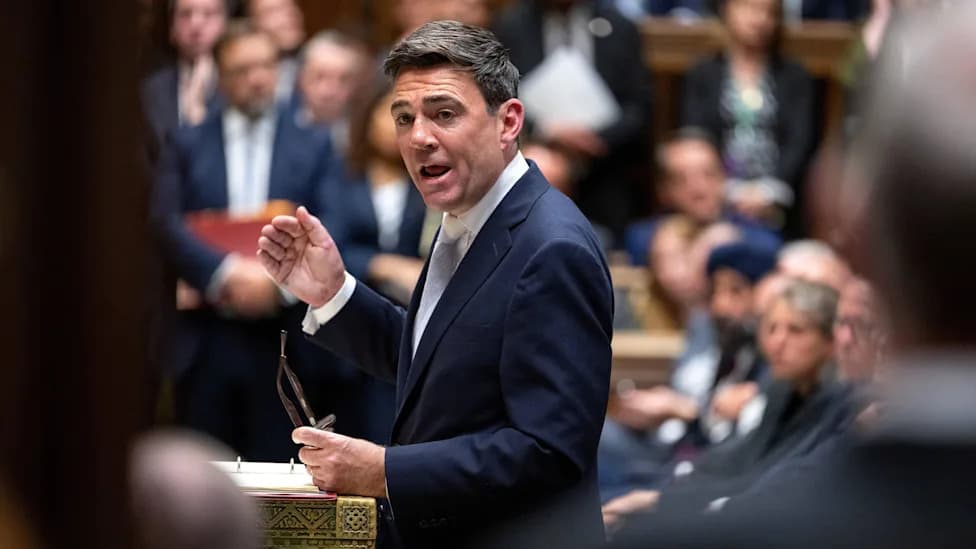
Andy Burnham arrived at Downing Street promising a "new politics", but in his first weeks he has increasingly been criticised for relying on recycled policies rather than delivering fresh solutions to Britain’s pressing problems.
Housing: Reheated Policy, Same Risk
Britain has long underbuilt homes relative to need. The causes are well known: a planning system that stifles development in the places people want to live, and successive waves of tax and regulation that have suppressed supply.
Instead of tackling these structural barriers, Mr Burnham has proposed reviving a Help‑to‑Buy style plan — branded "Your First Home" — offering first‑time buyers a 2.5% deposit and a 20% equity loan on new‑build properties with an initial interest‑free period. Mr Burnham says the scheme will restore "hope for people across the country".
Critics say: Like George Osborne's 2013 Help to Buy, the scheme risks boosting demand without increasing supply, inflating new‑build prices and subsidising buyers who might otherwise have purchased without state support.
The result would be a short‑term feelgood measure that does not address the chronic supply shortage. With economists warning of possible interest‑rate rises, the long‑term effectiveness of such demand‑side interventions is questionable.
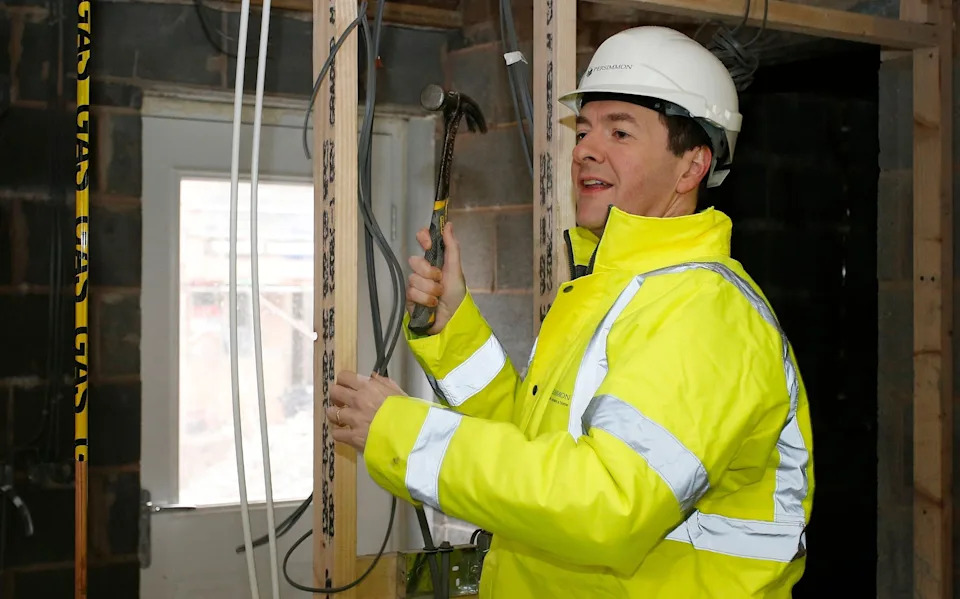
George Osborne visiting a housing development to promote his Help to Buy scheme in 2016 - PA
Big Projects, Bigger Test
Major infrastructure highlights the deeper problem: the Heathrow third‑runway saga exemplifies Britain’s difficulty in delivering large projects. Discussed nearly a century ago, approved and scrapped multiple times, and revived again in 2018, the runway now faces legal and environmental obstacles and a revised timetable that could push completion as far back as 2039.
A government that cannot expand its busiest airport or build reservoirs on budget needs more than rhetoric; it needs a prime minister willing to expend political capital to navigate party objections and bureaucratic hurdles.
Politics At Home: Party Rows And Reluctance
So far, Mr Burnham has shown limited appetite to confront internal dissent. Angela Rayner's public criticism of Shabana Mahmood's immigration proposals—and indications that the Prime Minister is rethinking those plans—suggest reluctance to press controversial but potentially necessary reforms.
That caution has left the new administration appearing conciliatory rather than proactive: a string of relatively small (and sometimes costly) announcements has produced modest poll gains but few signs of decisive leadership.
Conference Moment
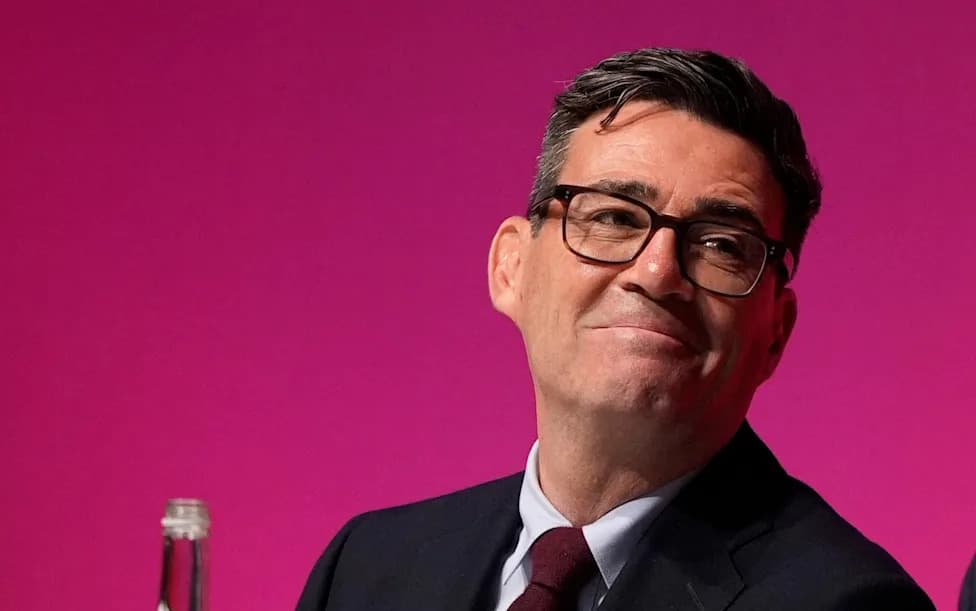
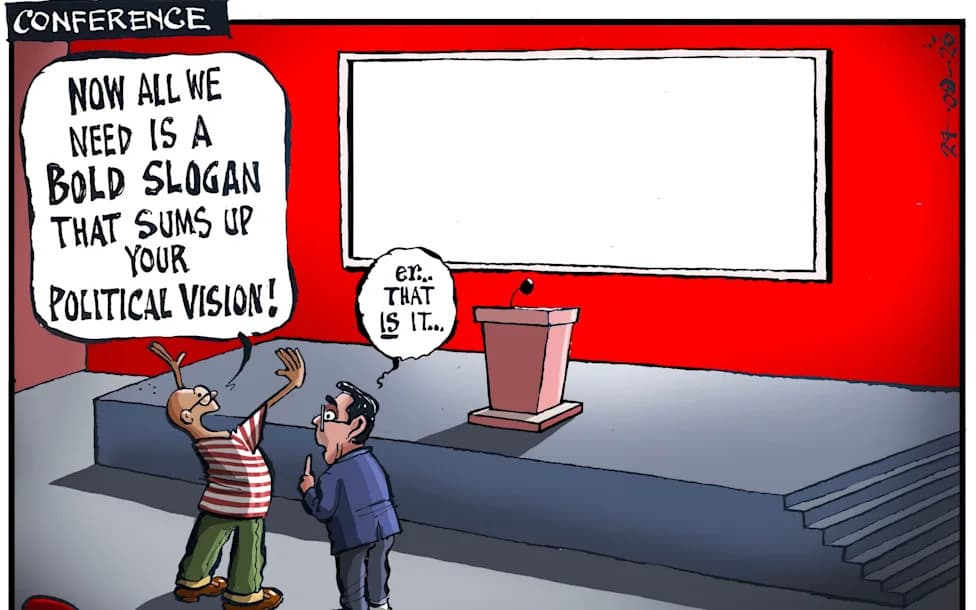
As Labour heads into its conference, voters are asking for clear, credible plans on housing, energy, immigration, welfare, defence and taxation. Recycled policies and technocratic stopgaps will do little to restore long‑term confidence. Mr Burnham’s upcoming speech is a pivotal opportunity to demonstrate he can deliver structural reforms rather than reheated fixes.
Help us improve.