Finland’s Housing First programme once helped halve recorded homelessness by pairing permanent homes with intensive support. Recently, however, homelessness has risen again amid higher living costs, a weak jobs market and pressure on welfare spending. As UK Prime Minister Andy Burnham pushes to end rough sleeping by Christmas, experts warn Britain must secure sustained funding, significantly expand affordable housing and ensure joined-up health and welfare services to achieve lasting results.
Finland’s Housing First Falters — A Cautionary Tale for Burnham’s Rough-Sleeping Pledge
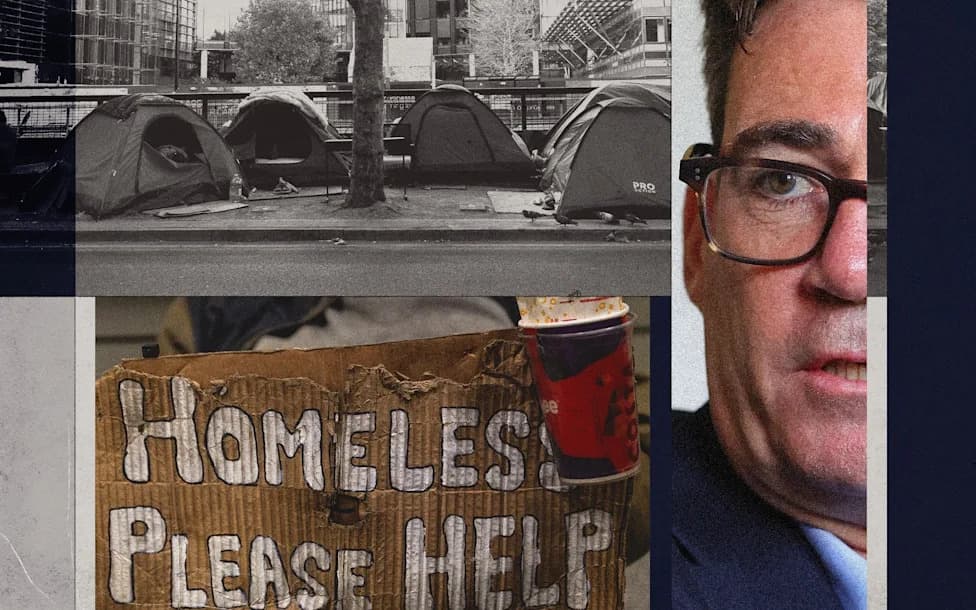
Illustration
In a tidy suburb north of Helsinki, 54-year-old Matti sits on the balcony of his apartment, smoking a hand-rolled cigarette and watching rain darken the courtyard below. The calm scene belies a turbulent life: institutional care as a child, decades of addiction and years sleeping rough through Finland’s freezing winters. Today he is a beneficiary of Finland’s flagship Housing First programme — a model that once helped halve recorded homelessness nationwide but which now shows signs of strain.
How Housing First Works
Housing First reverses traditional practice: instead of requiring stability before offering permanent housing, it gives people a home immediately and wraps intensive social and health support around that security. In Finland the approach has included purpose-built and converted housing, 24/7 social-work contact, help with benefits and health care, and rental payments mainly covered by housing benefits. The aim is to restore dignity and create a stable platform for recovery.
Early Success — And Recent Reversal
When the programme began in 2008, Finland recorded about 7,960 homeless people. By 2023 that number had roughly halved, turning Helsinki into a destination for international delegations studying the model. But the trend reversed recently: homelessness rose 11% in 2024 and surged about 20% the following year, driven by rising living costs, a weaker jobs market and cuts or stagnation in welfare support.
Why The Model Is Vulnerable
Housing First delivers strong outcomes but depends on three costly building blocks: a supply of affordable, good-quality housing; generous housing benefits that make rents affordable for very low-income households; and intensive, sustained social and health services. When any of these elements weaken — for example because of public spending pressures, higher rents or weaker labour markets — the model can begin to unravel, producing arrears, evictions and renewed homelessness.
What This Means For Britain
UK Prime Minister Andy Burnham has pledged to end rough sleeping by Christmas and announced a package including £442m to build 1,200 homes and provide intensive support for 3,000 people. But Britain faces a much larger and more complex homelessness problem: official street-sleeping counts number around 4,800, while Shelter estimates almost 380,000 homeless households when sofa-surfers and those in unsuitable temporary accommodation are included. Finland’s programme targets roughly 5,000 people in a country of 5.7 million; Britain will need far more housing, services and durable funding to achieve comparable results at scale.
Voices From The Frontline
"Finland had a safety net that was there already," warns Lígia Teixeira of the Centre for Homeless Impact. Frontline organisations in Helsinki report growing demand: Vepa, a drop-in centre, serves about 150 people daily and is seeing rising pressure as benefits and wages fail to keep pace with living costs. Finnish ministers acknowledge the problem: constrained public finances, rising borrowing costs and an ageing population have all contributed to tighter welfare support.
Policy Choices And Trade-Offs
Proponents argue that Housing First saves money in the long run by reducing pressure on emergency health services, policing and temporary accommodation. Pilots in England have shown favourable benefit-cost ratios, but replicating Finland’s approach requires either increased public spending or substantial new housing supply. Experts suggest a mix of measures: targeted investment in social and affordable housing, repurposing existing crisis accommodation, streamlining planning to enable more private building, and protecting or redesigning benefits so that the most vulnerable can afford stable housing.
Conclusion
Matti’s story shows what Housing First can achieve: permanent housing, regular support and the chance to rebuild a life. But Finland’s recent deterioration is a warning: without robust welfare backing, affordable housing and sustained services, the gains are fragile. If the UK is to translate Finland’s lessons into durable change, policymakers must match ambition with long-term funding and a credible plan to expand housing supply.
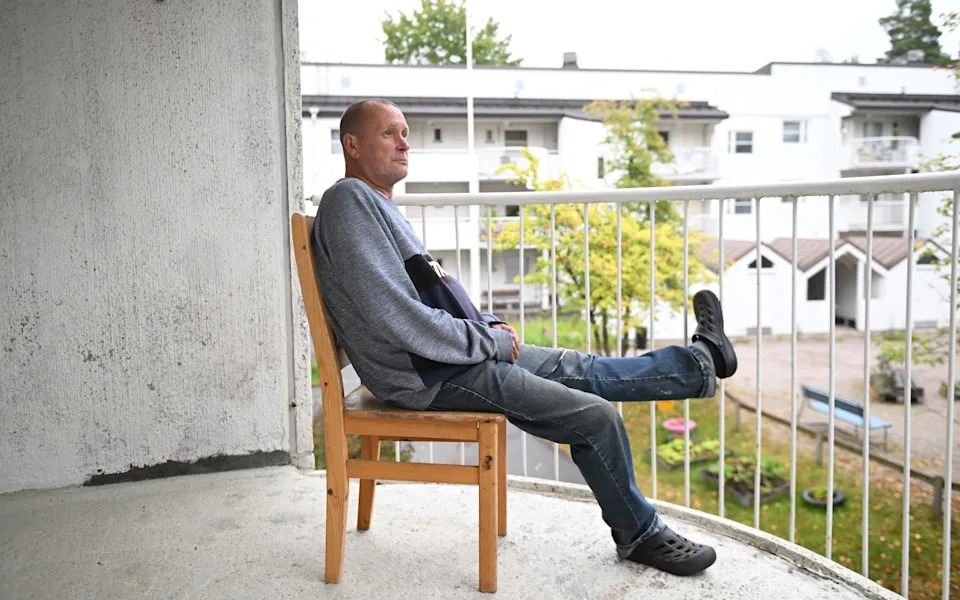
Matti lived on the streets for six years before making a change - Eddie Mulholland for The Telegraph
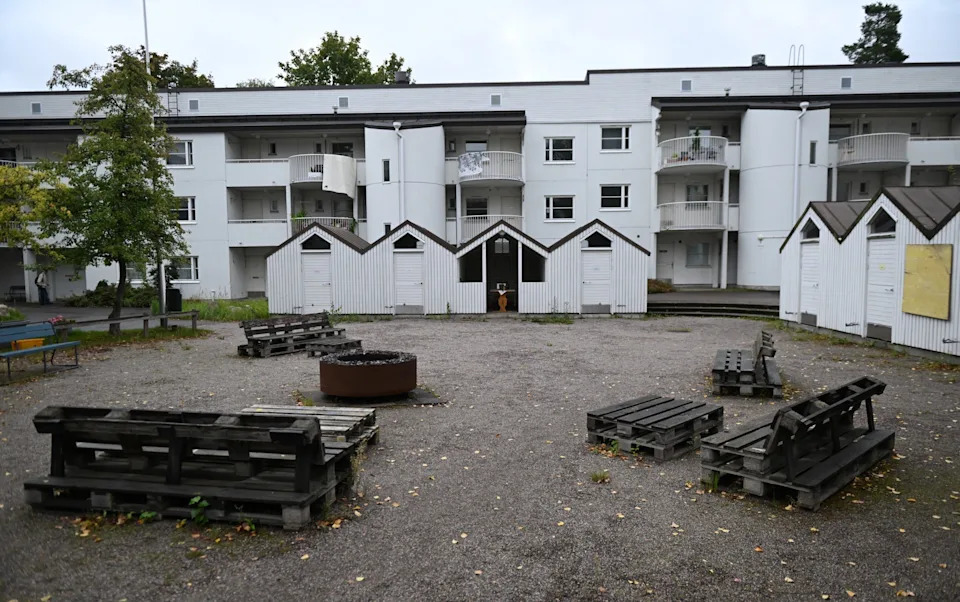
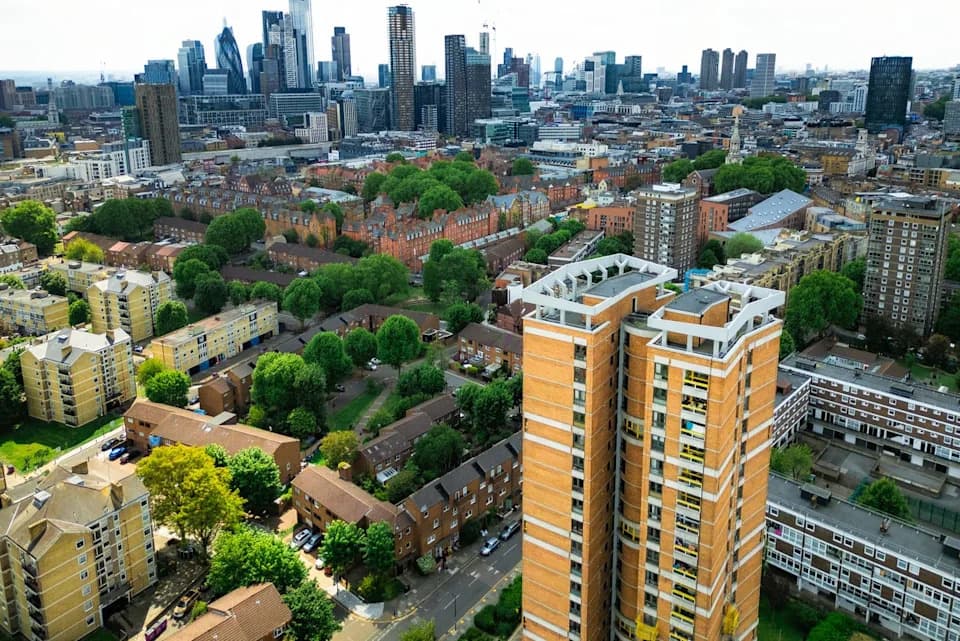
The affordable housing blocks containing Housing First units are typically well-built, in that Scandinavian way - Eddie Mulholland for The Telegraph
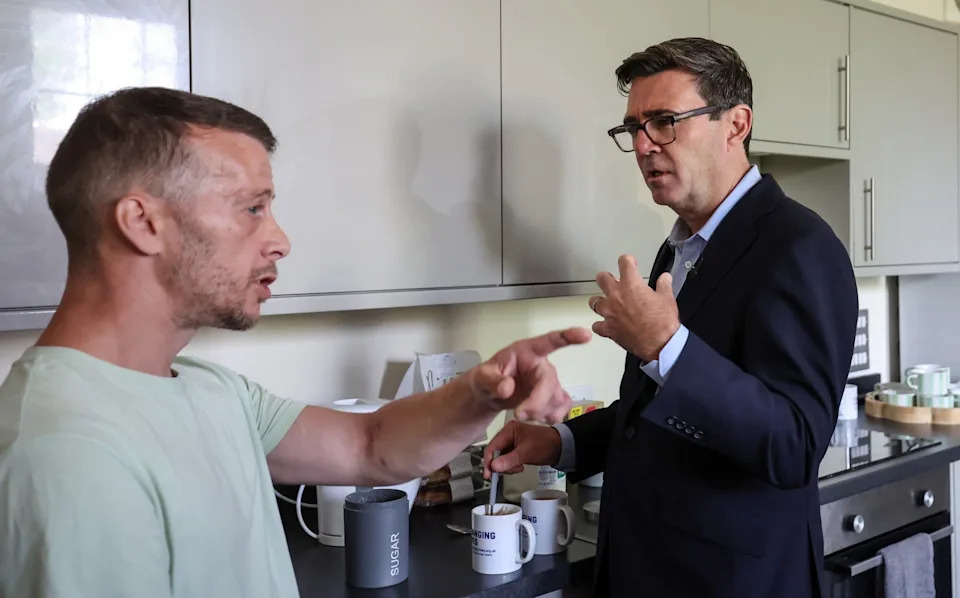
Andy Burnham visited a homelessness charity in Newcastle as he pledged to end rough sleeping across Britain by Christmas - Scott Heppell/WPA/Getty Images
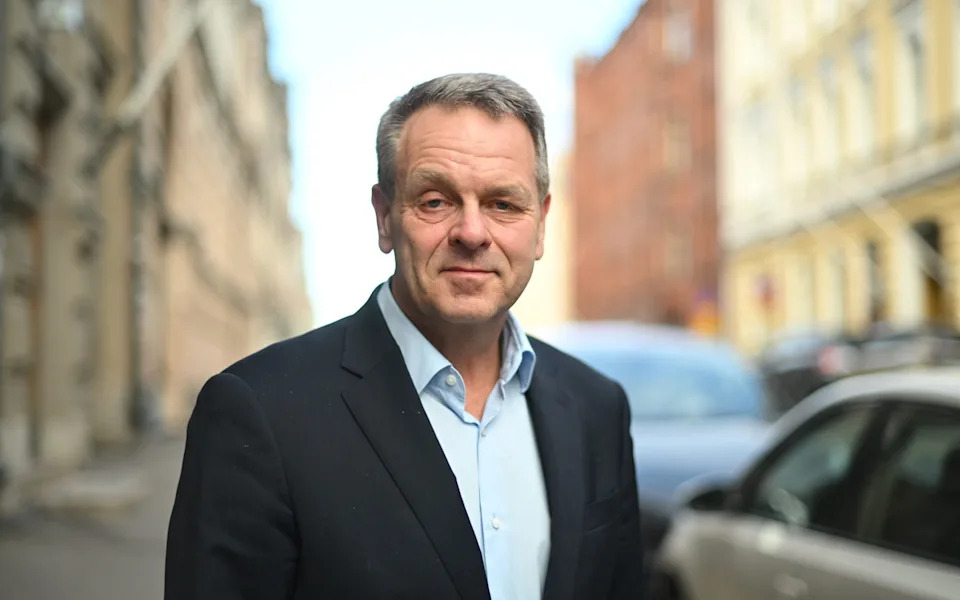
Jan Vapaavuori is the godfather of Finland's Housing First model - Eddie Mulholland for The Telegraph
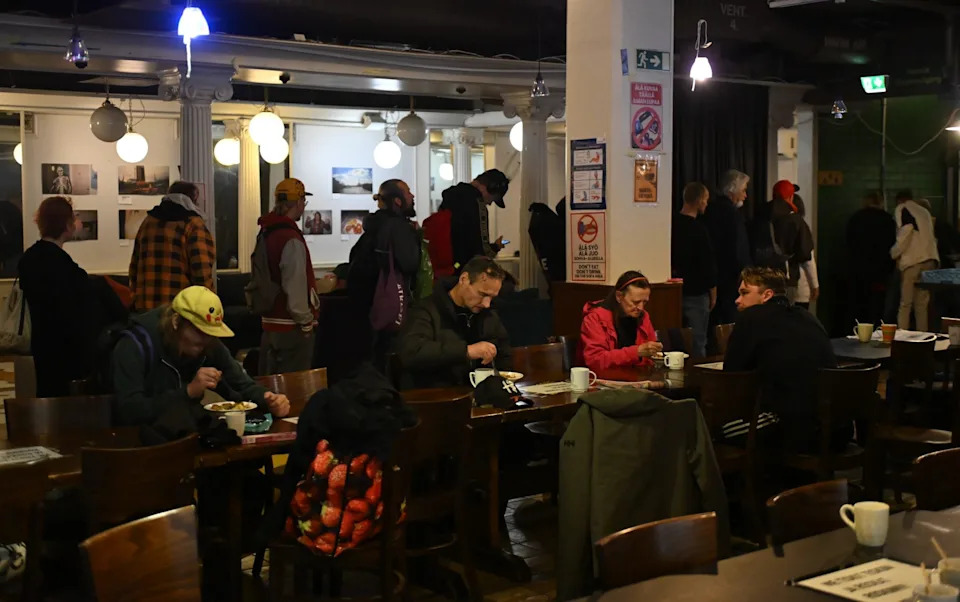
The Vepa drop-in centre is a support hub for homeless people in Helsinki - Eddie Mulholland for The Telegraph
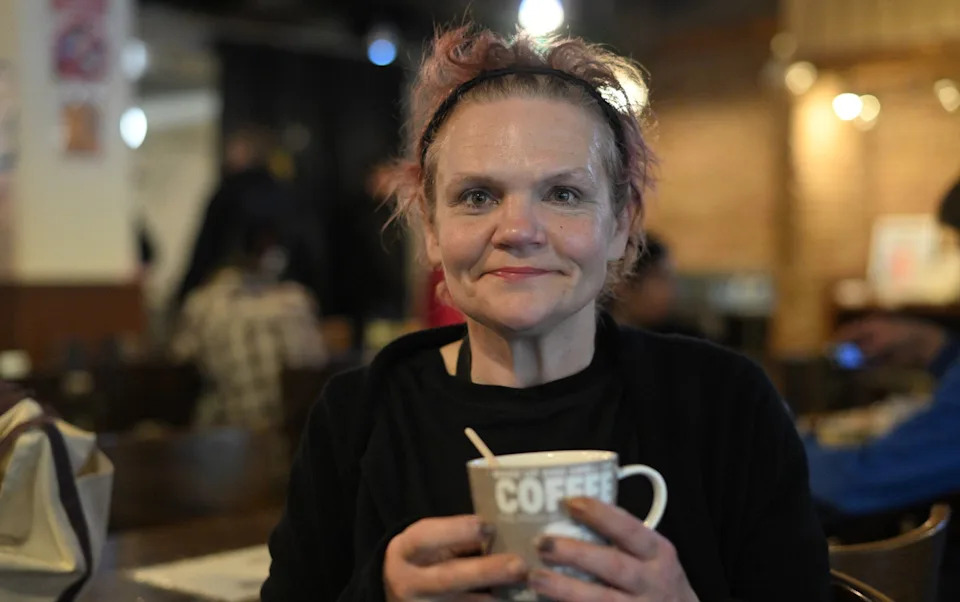
Teija Nojd isn't homeless at the moment, but she still visits the Vepa drop-in centre - Eddie Mulholland for The Telegraph
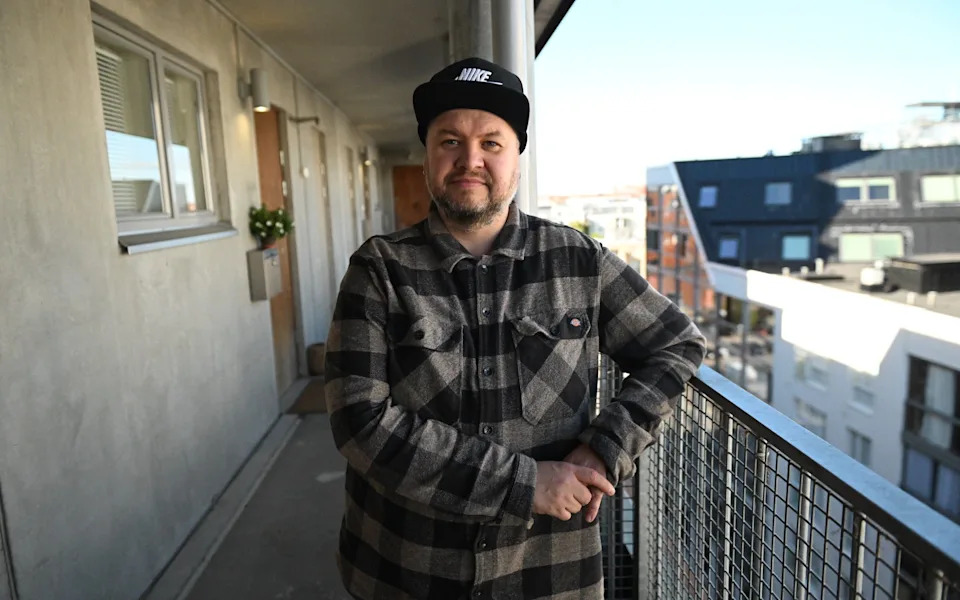
Juha Kahila is the head of international affairs at the Y-Foundation, one of the largest builders and landlords involved in Housing First - Eddie Mulholland for The Telegraph
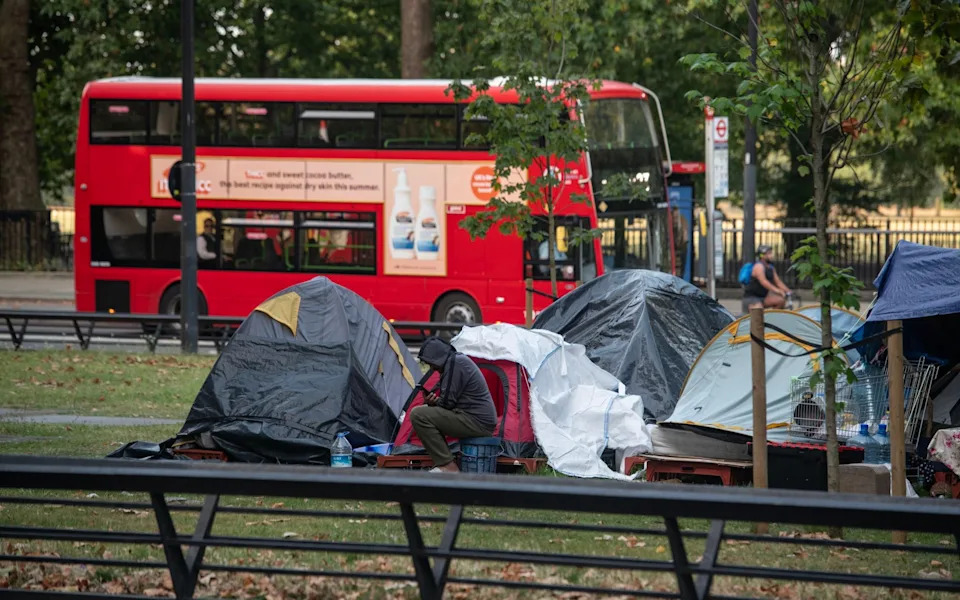
The charity Shelter estimates that there were almost 380,000 homeless households in Britain last year - Julian Simmonds for The Telegraph
Help us improve.